Foreclosure Insurance Problems Investors Should Plan For
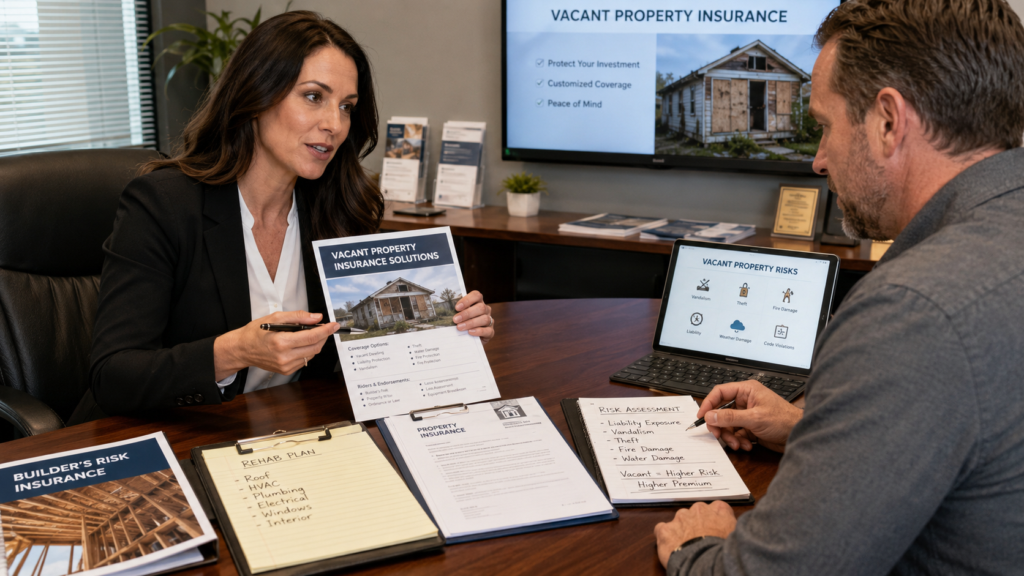
Foreclosure insurance problems can appear quickly after an investor wins a property. The home may be vacant, occupied, damaged, unsecured, or headed into renovation. A standard insurance policy may not fit any of those conditions.
For investors, the key issue is timing. You need the right coverage before contractors enter the property, before utilities are restored, and before a loss occurs. Waiting until rehab starts can leave a dangerous coverage gap.
Learn the Strategies Behind Smarter Foreclosure Investing
Get practical foreclosure investing content delivered twice a week, including deal analysis tips, strategy breakdowns, useful tools, and new resources from Foreclosure Flips. Sign up to keep learning and spotting better opportunities.
Why Foreclosures Create Insurance Problems
Foreclosure properties often have a different risk profile than normal purchases.
The property may have been neglected for months. Utilities may be disconnected. The home may have water damage, missing appliances, broken windows, vandalism, or unknown occupants.
Insurance carriers care about those details. A vacant or distressed property is more likely to experience theft, trespassing, fire, water damage, and liability claims.
The Insurance Information Institute’s guidance on vacancy insurance planning notes that many homeowners policies include vacancy clauses that can limit or exclude coverage after a property is unoccupied for a certain period.
Standard Homeowners Insurance May Not Be Enough
A typical homeowners policy is designed for an owner-occupied home in stable condition. A foreclosure investor may instead need vacant-property coverage, a dwelling policy, builder’s risk coverage, landlord coverage, or some combination depending on the plan.
Do not assume the cheapest quote is acceptable. The important question is whether the policy actually matches the property’s condition and use.
Vacant Foreclosures Need Special Attention
Vacancy is one of the most common foreclosure insurance problems. If nobody is living in the home, routine maintenance problems can become major losses. A small leak can become a mold issue. A broken window can invite trespassers. A disconnected furnace can create freeze risk in colder markets.
Secure the Property Early
Before rehab begins, investors should document the property condition, change locks when legally permitted, board broken openings if needed, install temporary security, and keep the exterior maintained. Your insurer may also expect certain protective measures, such as active utilities, winterization, regular inspections, or working smoke detectors.
If the property will sit vacant for several weeks, tell the insurance agent that clearly. Misclassifying a vacant foreclosure as a normal occupied property can create claim problems later.
Occupied Properties Create a Different Risk
An occupied foreclosure is not automatically safer from an insurance standpoint. The occupant may be a former owner, tenant, unauthorized occupant, or someone whose legal status is unclear. That affects liability, access, utilities, inspections, and repairs.
If you cannot inspect the interior, your insurer may have limited information about the property. If the occupant is hostile or unknown, there may be added risk of intentional damage, theft, or injury claims.
Do Not Start With Assumptions
Before binding coverage, explain whether the property is occupied, vacant, partially occupied, or inaccessible. Also confirm whether your policy covers liability before possession is resolved. This is especially important if contractors, locksmiths, property managers, or inspectors will visit the site.
Renovation May Require Builder’s Risk Coverage
Once the property moves into rehab, insurance needs may change again. Builder’s risk insurance is commonly used to protect buildings and materials during construction or renovation.
Chase’s overview of builder’s risk coverage explains that these policies are designed for structures under construction or renovation and may cover the building, materials, and equipment while work is underway.
Match the Policy to the Scope of Work
A light cosmetic update is different from a full gut rehab. Major electrical, plumbing, roofing, structural, or HVAC work can change the insurance need. If contractors will remove walls, open the roof, or leave materials on site, confirm whether theft, vandalism, weather damage, and materials are covered.
Also confirm who must carry what coverage. Your policy does not replace a contractor’s general liability or workers’ compensation coverage.
Watch for Exclusions Before You Need the Policy
Insurance problems usually show up when a claim is filed, not when the policy is purchased. That is why investors should ask direct questions before closing or immediately after winning the auction. Doing so also assists in developing your exit strategy.
A standard policy may exclude or limit events involving vacancy, construction, wear and tear, business activity, water backup, earth movement, or lack of maintenance. Allstate’s explanation of typical home insurance exclusions includes events that occur while a home is under construction, vacant, or unoccupied.
The Investor Takeaway
Foreclosure insurance problems are manageable when they are planned for early. Before rehab starts, confirm whether the property is vacant, occupied, distressed, under renovation, or intended for rental use. Then match the policy to the actual risk.
The safest approach is to involve an insurance agent before work begins, disclose the property’s condition honestly, and budget for the right coverage. A foreclosure deal can survive a higher premium. It may not survive an uncovered fire, injury, theft, or water loss.
Reach Real Estate Investors Where They’re Learning
Promote your product, service, or platform to readers interested in foreclosure investing, flipping, BRRRR, short sales, and distressed property opportunities.