Tampa–St. Petersburg Foreclosure Market 2026
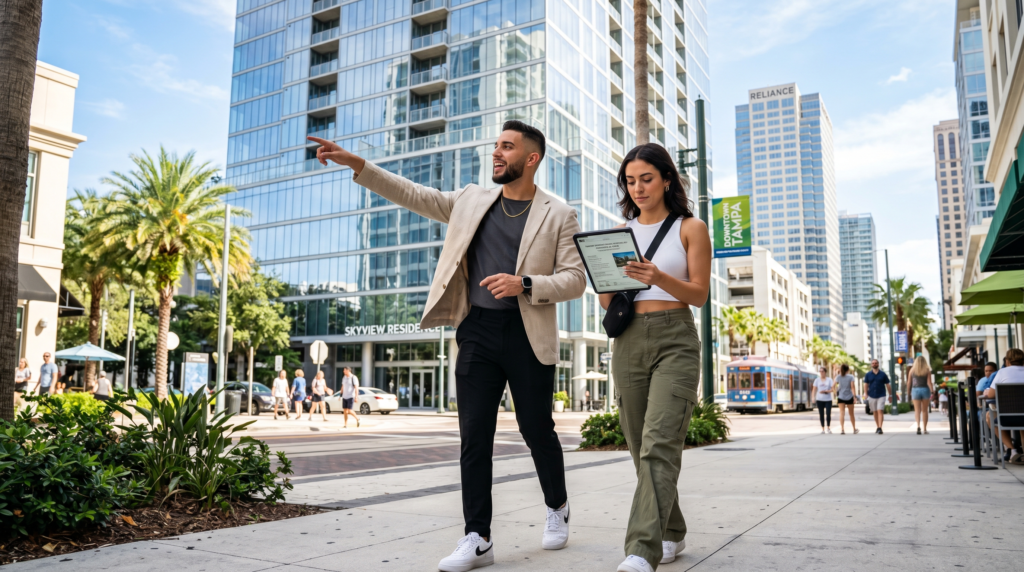
The Tampa–St. Petersburg foreclosure market is one of the more useful Florida metros for investors to monitor in 2026, but not because it offers easy distressed-property discounts.
The better thesis is that Tampa Bay combines foreclosure pipeline growth, meaningful resale liquidity, inland affordability pockets, coastal risk, and a housing market where price reductions are forcing sellers to become more realistic.
That creates a more nuanced opportunity set than Miami–Fort Lauderdale. Tampa–St. Petersburg can be more accessible by price point, but it is not automatically safer.
Insurance, flood exposure, roof age, investor competition, HOA issues, short-term rental restrictions, and auction-title risk can still destroy the margin on a deal that looks attractive at first glance.
The core investor question is whether you can identify distress before it becomes widely competitive, underwrite the property against realistic resale or rental demand, and avoid overpaying for assets with hidden insurance, title, or repair problems.
Stay Ahead of the Next Deal
Markets move quickly, and good foreclosure opportunities often require fast analysis. Subscribe to our twice-weekly newsletter for investor-focused tips, tools, and market insights designed to help you make better decisions.
The Current Foreclosure Signal Stack
Florida remains one of the country’s most active foreclosure states. ATTOM’s Q1 2026 U.S. Foreclosure Market Report reported 118,727 U.S. properties with foreclosure filings during the quarter, up 26% from the prior year. Florida recorded 10,099 foreclosure starts in Q1 2026 and ranked among the five worst states by foreclosure rate, at one filing for every 750 housing units.
That statewide signal matters for Tampa–St. Petersburg, but it should not be overread. ATTOM’s Q1 data showed that Lakeland and Punta Gorda had worse metro foreclosure rates than larger Florida metros.
Tampa Bay’s investor relevance comes less from being the most distressed market and more from the combination of deal flow, pricing pressure, population base, rental demand, and submarket variety.
| 2026 Signal | Current Reading | Investor Interpretation |
|---|---|---|
| Florida foreclosure starts | 10,099 in Q1 2026 | Strong statewide pipeline for pre-foreclosure and auction research |
| Florida foreclosure rate | 1 in every 750 housing units in Q1 2026 | Distress is elevated versus most states |
| Florida REOs | 1,014 in Q1 2026, up from 487 year over year | Bank-owned inventory is rising from low levels |
| Tampa Bay market pressure | High price-reduction share and longer market time | Sellers may be more negotiable, but not all discounts are distressed |
| Tampa Bay thesis | Moderating resale market plus active foreclosure pipeline | Useful for disciplined investors focused on basis and exit strategy |
ATTOM’s April 2026 foreclosure update reinforced the broader trend. U.S. foreclosure filings were up 18% year over year in April, foreclosure starts rose 12%, and completed foreclosures, or REOs, increased 42% year over year. Florida led all states in foreclosure starts that month with 3,505 starts.
The relevant takeaway is not that Tampa Bay is entering a foreclosure crash. It is that more properties are moving through the pipeline while resale buyers are becoming more selective.
That combination can create opportunities for investors who know how to separate true distress from ordinary seller repricing.
Tampa Bay’s Resale Market Is Part of the Opportunity
Foreclosure investing depends on the exit. A distressed acquisition has little value if the resale or rental market cannot support the business plan.
Tampa–St. Petersburg–Clearwater showed clear signs of pricing pressure in Realtor.com’s April 2026 housing report.
The metro had a median list price of $406,500, down 0.9% year over year, with median list price per square foot down 2.8%. Median days on market increased by 9.5 days, and 25.1% of active listings had price reductions.
That is a useful investor signal. It suggests sellers are facing buyer resistance, but it does not mean every property is distressed. In fact, a market with more price cuts can be deceptive.
Some sellers may still be priced above reality even after reducing. Others may be reducing because the property has insurance, condition, location, or flood-risk issues that make it difficult to finance or resell.
| Tampa Bay Resale Signal | April 2026 Reading | Investor Use |
|---|---|---|
| Median list price | $406,500 | Use as broad metro context, not ARV |
| Median list price change | -0.9% year over year | Indicates softer pricing conditions |
| Price per square foot | -2.8% year over year | Helps test comp direction |
| Days on market | Up 9.5 days year over year | Build longer holds into flip models |
| Price-reduced share | 25.1% of active listings | Signals seller adjustment and buyer selectivity |
City-level data shows why submarket underwriting matters. Redfin’s Tampa housing market data showed Tampa’s median sale price at roughly $451,000 over the three months ending April 2026, up 1.3% year over year, with homes selling in about 47 days.
Redfin’s St. Petersburg housing market data showed a median sale price near $491,000 over the same period, up 18.4% year over year, with homes selling in about 32 days.
Those two city-level readings do not mean every Tampa or St. Petersburg foreclosure is attractive. They show that parts of the metro still have liquidity.
For investors, liquidity is useful only if the acquisition basis is low enough to protect against repair overruns, insurance costs, buyer concessions, and price cuts.
County-Level Research Should Come Before Property-Level Offers
Tampa–St. Petersburg foreclosure research should be organized by county first, then by submarket and property type. Hillsborough, Pinellas, and Pasco can produce very different investor outcomes.
Hillsborough County
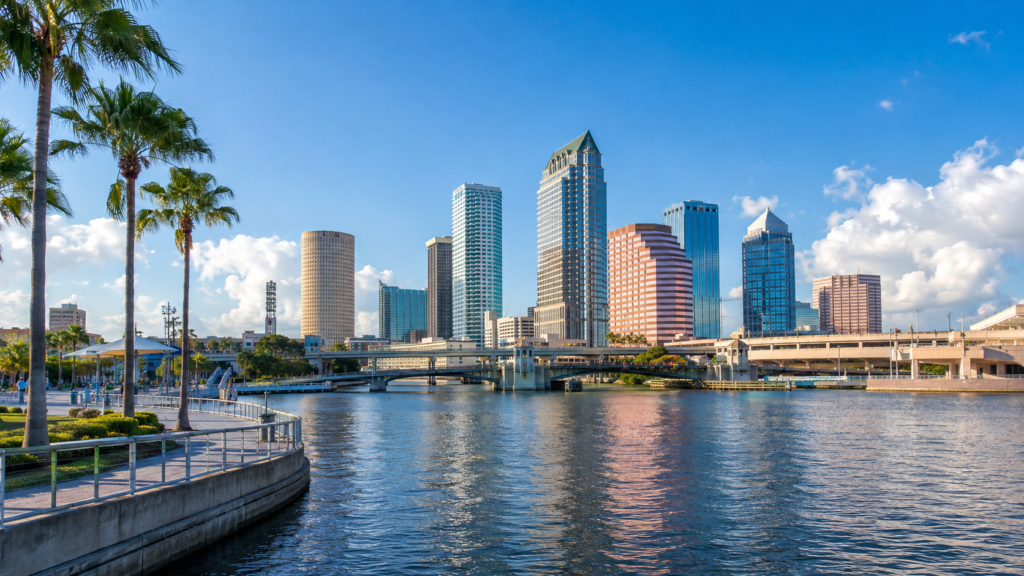
Hillsborough County is the core Tampa market. Investors may find opportunities in Tampa, Brandon, Riverview, Town ’n’ Country, Temple Terrace, Seffner, Plant City, and other inland or suburban areas.
The main advantage is strategy flexibility. Some properties may fit a fix-and-resell model. Others may fit rental or BRRRR underwriting if the acquisition basis is low enough.
Inland locations may reduce some coastal exposure, but insurance, roof age, flood zones, foundation issues, and permitting still need careful review.
Hillsborough foreclosure-sale procedures are also operationally important. The Hillsborough Clerk’s foreclosure sales page explains bidder registration, deposits, and payment logistics, including wire requirements and bidder-number instructions.
For auction investors, those details affect readiness. A deal can be lost before bidding even starts if deposits, registration, or payment timing are not handled correctly.
Pinellas County
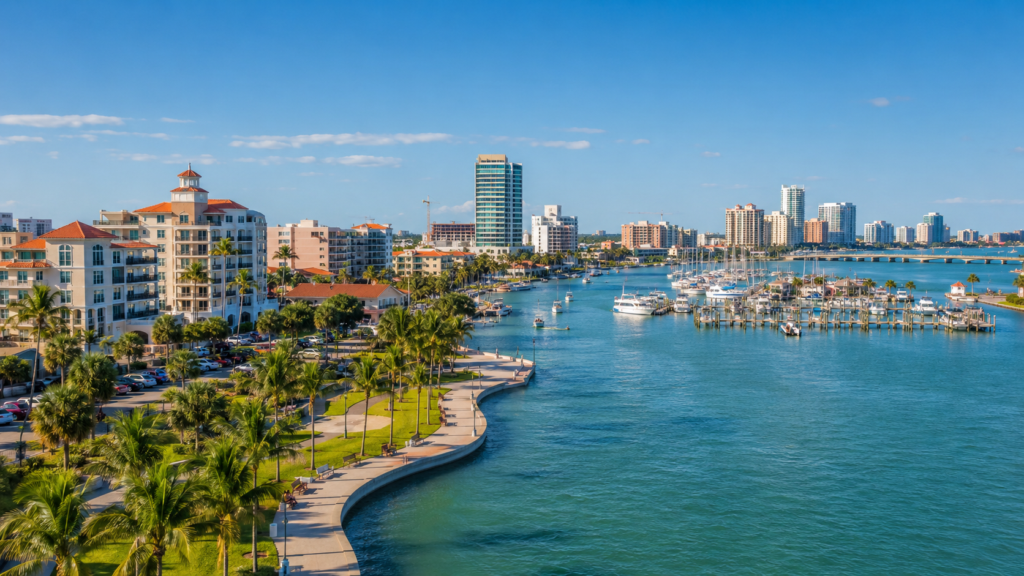
Pinellas County includes St. Petersburg, Clearwater, Largo, Seminole, Pinellas Park, Dunedin, Safety Harbor, Tarpon Springs, and the Gulf beach communities. It is one of the most constrained parts of the Tampa Bay region because the county is a peninsula with limited land supply.
Pinellas County describes itself as a 280-square-mile peninsula bordered by the Gulf and Tampa Bay, only 38 miles long and 15 miles wide at its broadest point.
That geography matters for investors because it creates both scarcity and risk. The county’s official overview is useful context for understanding why location, flood exposure, coastal demand, and redevelopment potential can vary sharply within short distances.
Pinellas can be attractive for resale-driven investors because many submarkets have strong buyer demand. But coastal exposure, older housing stock, flood claims, roof condition, and insurance availability must be underwritten early.
A discounted foreclosure in a flood-prone or storm-damaged area may not be a discount after repairs and insurance are included.
Pasco County
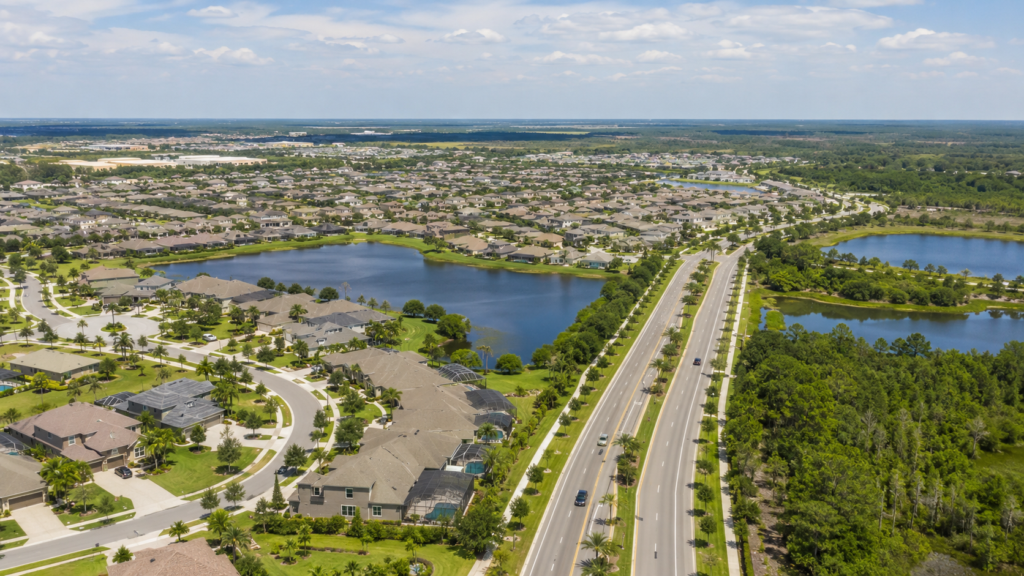
Pasco County adds a different type of opportunity. It can offer lower entry prices than the most competitive parts of Tampa and Pinellas, along with more suburban and exurban housing stock.
Investors may look at New Port Richey, Port Richey, Land O’ Lakes, Wesley Chapel, Zephyrhills, Dade City, and Holiday depending on the strategy.
Pasco may be more relevant for rental, BRRRR, and affordability-driven resale plays than luxury or coastal flips. The tradeoff is that exit liquidity can vary widely by location.
A house near stronger employment corridors, schools, and retail demand may perform differently from a property in a slower-moving or more condition-sensitive submarket.
| County | Main Investor Use | Primary Risk to Underwrite |
|---|---|---|
| Hillsborough | Tampa flips, inland rentals, BRRRR, suburban resale | Bid discipline, repair scope, flood zones, insurance |
| Pinellas | St. Petersburg/Clearwater resale, coastal and infill opportunities | Flood risk, insurance, roof age, storm exposure |
| Pasco | Lower-basis rentals, affordability plays, suburban growth | Exit liquidity, rental depth, location quality |
Foreclosure Auctions Require Process Discipline
Florida foreclosure sales are judicial sales, and the auction process has statutory requirements that matter for investors. Under Florida Statute 45.031, a successful high bidder must post a deposit equal to 5% of the final bid, and title passes after the certificate of title is filed if no timely objections are made.
The statute’s public-sale and deposit rules are not a substitute for legal advice, but they are important baseline mechanics for investors to understand.
The mistake many investors make is treating the online auction interface as if it reduces risk. It does not.
The platform makes bidding easier. It does not inspect the property, clear title, remove occupants, cure municipal liens, estimate roof life, or protect you from overbidding.
Before bidding, an investor should know the maximum bid, the deposit requirement, the final payment deadline, the title status, property-tax exposure, association exposure, occupancy risk, repair budget, and exit strategy.
Learn the Strategies Behind Smarter Foreclosure Investing
Get practical foreclosure investing content delivered twice a week, including deal analysis tips, strategy breakdowns, useful tools, and new resources from Foreclosure Flips. Sign up to keep learning and spotting better opportunities.
Acquisition Strategies That Fit Tampa–St. Petersburg
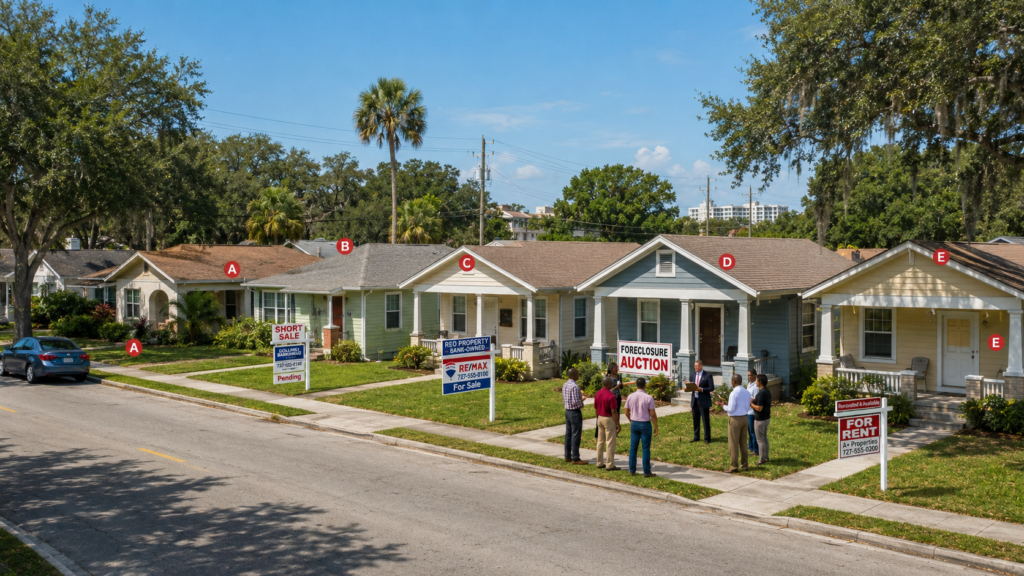
Pre-Foreclosures
Pre-foreclosures may be useful in Tampa Bay because some owners still have equity but face pressure from higher insurance, property taxes, HOA dues, repairs, or mortgage payments.
The opportunity is not merely finding a lis pendens. The opportunity is finding a seller whose property still has enough equity and transaction feasibility to support a negotiated purchase before auction.
In Tampa Bay, pre-foreclosure outreach should be filtered by property type.
Older single-family homes may require roof, electrical, plumbing, HVAC, and water-intrusion review. Condos and townhomes require HOA analysis. Coastal properties require flood and insurance review before the offer is treated as real.
Foreclosure Auctions
Auction investing can work in Hillsborough, Pinellas, and Pasco, but it is a margin-of-safety strategy. The purchase price has to compensate for limited inspection access, uncertain occupancy, lien risk, title review, and fast payment timelines.
The bid ceiling should be calculated before the sale. Start with conservative ARV or rental value. Subtract selling costs, required profit, repairs, insurance, taxes, utilities, HOA exposure, title risk, financing costs, and holding time. The number left over is the maximum bid. If the auction moves above that number, the correct decision is to stop.
REO Properties
REO properties may become more relevant if completed foreclosures continue rising. REOs can be easier to evaluate than auction properties because the lender has already taken title, but the discount is often thinner than investors expect.
In Tampa Bay, REO opportunities may be more attractive when the bank-owned property has clear condition issues that scare off retail buyers but can be repaired profitably. They are less attractive when the bank prices close to renovated retail value or when the property has unresolved insurance, flood, or HOA problems.
Short Sales and Discounted Owner Sales
Short sales can appear when the mortgage balance and selling costs exceed market value, or when the property has condition problems that make a standard sale difficult. They require patience and lender approval, so they may not suit investors who need fast deployment of capital.
Discounted owner sales may be more practical. Some sellers may not be underwater but may still be motivated because of insurance increases, deferred maintenance, storm repairs, relocation, estate issues, divorce, or difficulty carrying a second property.
Rentals and BRRRR
Tampa Bay can be relevant for rentals and BRRRR, especially outside the most expensive coastal submarkets. The problem is that high insurance, property taxes, repair costs, and acquisition prices can reduce cash flow.
A BRRRR deal should be tested with conservative refinancing assumptions. If the property only works with a high appraisal, perfect rent growth, low vacancy, and cheap debt, it is not a strong foreclosure deal. Investors should be especially careful with older properties where renovation costs can escalate after opening walls, replacing roofs, or addressing storm-related damage.
Local Risks That Can Break the Deal
Tampa–St. Petersburg has a different risk profile from inland Florida markets. The most important underwriting issues often appear outside the auction listing.
| Risk | Why It Matters | Investor Response |
|---|---|---|
| Flood exposure | Coastal and low-lying areas can carry higher insurance and resale friction | Check flood zone, elevation, claims history, and insurability early |
| Roof age | Roof condition affects insurance, financing, and repair scope | Verify age, permits, condition, and replacement cost before bidding |
| Storm damage | Past hurricane or tropical-storm exposure may create hidden repairs | Inspect for water intrusion, mold, windows, drainage, and exterior systems |
| HOA/condo issues | Dues, assessments, litigation, and rental restrictions can impair value | Review association financials, rules, balances, and pending assessments |
| Resale timing | Longer market time can increase carrying costs | Use conservative hold periods and price-reduction scenarios |
| Auction title risk | Winning the bid does not guarantee a clean economic outcome | Run title, tax, lien, municipal, and association searches before bidding |
Cotality’s Loan Performance Indicators add useful context. The national foreclosure inventory rate reached 0.4% in March 2026, its highest level in six years, and 77% of U.S. metros posted annual foreclosure-rate increases. Cotality also noted that Florida and Texas metros were among the areas with the largest increases.
That supports a careful monitoring thesis. It does not support treating every Tampa Bay foreclosure as a high-probability deal.
How to Research Deals in the Tampa–St. Petersburg Market
A practical research process should begin with foreclosure stage and county.
For pre-foreclosures, track new filings, verify ownership, estimate equity, search liens, review the docket, and compare the property against realistic as-is and after-repair values. Then test whether the owner’s likely payoff, transaction costs, and repair issues leave enough room for an investor purchase.
For auctions, start with the docket and final judgment, then move to title, taxes, municipal liens, HOA exposure, code violations, flood zone, insurance feasibility, occupancy, and repair scope. Do not rely on the opening bid or assessed value as an investment signal.
For REO properties, compare the bank’s asking price to closed comparable sales, not active listings. Review price reductions, property preservation quality, inspection limitations, and whether the bank is pricing the asset for investors or retail buyers.
For rentals, underwrite a flat-rent scenario, higher insurance, higher repairs, and a longer vacancy period. A Tampa Bay rental that only works with aggressive rent growth is too fragile for a foreclosure acquisition.
Where This Metro Fits in the Florida Foreclosure Strategy
Tampa–St. Petersburg should be treated as a balanced investor research market. It is not the cheapest foreclosure market in Florida, and it is not the state’s highest-rate distress market.
Its relevance comes from the mix of statewide foreclosure growth, local pricing pressure, active resale demand, rental depth, and a wide range of property types.
Compared with Miami–Fort Lauderdale, Tampa Bay may offer more approachable price points and broader rental/BRRRR possibilities.
Compared with smaller Florida markets, it may offer better liquidity and more exit optionality. The tradeoff is that insurance, flood exposure, storm repairs, and investor competition remain serious underwriting issues.
Investors comparing Tampa Bay with other Florida metros should use the broader Florida foreclosure market page as the statewide reference point. For national context, the hub on states with the most foreclosure opportunities can help compare Florida against other major foreclosure states.
If you are ready to screen live inventory, you can compare active foreclosure listings. For rehab-heavy properties, run the numbers carefully before committing capital.
FAQ
Is Tampa–St. Petersburg a strong foreclosure market for investors?
It is a relevant market to monitor, especially because Florida foreclosure activity is elevated and Tampa Bay’s resale market is showing price-reduction pressure. The opportunity is not automatic. Deals need to be underwritten property by property.
Is Tampa Bay cheaper than Miami for foreclosure investing?
Often, yes by entry price, but lower price does not automatically mean better margin. Tampa Bay investors still need to account for insurance, flood risk, roof age, storm damage, taxes, repairs, and resale timing.
Are foreclosure auctions the best strategy in Tampa–St. Petersburg?
Not always. Auctions can work, but they require strict bid discipline and pre-sale due diligence. Pre-foreclosures, REOs, short sales, and discounted owner sales may offer better control depending on the property and seller situation.
Which counties should investors research first?
Hillsborough, Pinellas, and Pasco all deserve review, but for different reasons. Hillsborough offers core Tampa and inland suburban opportunities. Pinellas offers constrained land supply and resale demand but more coastal risk. Pasco may offer lower-basis rental and affordability plays.
What is the biggest local risk for Tampa Bay foreclosure deals?
Insurance and flood exposure are among the biggest risks, especially in coastal or low-lying areas. Roof age, storm history, HOA exposure, title issues, and realistic resale timing are also critical.
Want to know what properties banks are about to list in Tampa-St. Petersburg?
Learn how to find deeply discounted properties. Get instant access to pre-foreclosures, REOs, and short sales updated daily!