
Top House Flipping Markets for 2026

House flipping in 2026 is not the same business it was during the low-rate, fast-appreciation years. Investors can no longer count on rising prices to cover an aggressive purchase price, an expanding rehab budget, or a resale timeline that takes longer than expected. The margin for error has narrowed.
That does not mean house flipping no longer works. It means the best flipping markets in 2026 are not necessarily the hottest housing markets. They are markets where investors can still buy at a workable basis, renovate within a controlled budget, and resell into a market with enough buyer demand to support a timely exit.
According to ATTOM’s 2025 Year-End U.S. Home Flipping Report, 297,045 single-family homes and condos were flipped nationwide in 2025, the lowest annual total since 2020. ATTOM also reported that the typical flipped home generated a 25.5% return on investment, the lowest level since 2008. That is the central reality for 2026: flipping is still active, but profitability depends much more on acquisition discipline, cost control, and exit-market selection.
For this list, we focused on markets that may still support practical house flipping opportunities in 2026. These are not simply the markets with the most investor activity. They are markets where a disciplined investor may still find the right combination of older housing stock, realistic entry prices, manageable resale values, and enough buyer demand to support a successful flip.
How We Selected the Top House Flipping Markets for 2026
A strong flipping market has to work at both ends of the deal. Investors need to buy correctly on the front end and sell into a liquid market on the back end. If either side fails, the project can quickly become a low-margin or negative-margin deal.
We screened for five core factors.
1. Flipping activity and investor behavior
We started with ATTOM’s national flipping data because it directly tracks home flips, flipping rates, gross profit, and investor activity. ATTOM defines a flip as a single-family home or condo bought and sold within a 12-month period, and its flipping report is one of the clearest data sources available for evaluating the strategy at a market level. Its 2025 year-end report showed both lower flipping volume and weaker returns, which makes market selection more important for 2026.
ATTOM also reported that flipping rates increased sharply in some smaller and mid-sized metros, including Binghamton, Boulder, Greeley, Lexington, and Scranton. For this post, we did not simply copy that list. Some markets may have rising flip activity but still be difficult to underwrite due to high acquisition costs, thin inventory, or resale risk. Instead, we used ATTOM’s data as one screen among several.
2. Resale liquidity
A flip is only successful when the property sells. We reviewed market liquidity using Realtor.com’s March 2026 housing market data, which showed that national active listings were up 8.1% year over year, median list prices were down 2.2%, and median time on market increased by four days compared with the prior year. That points to a more selective resale environment. Flippers need markets where buyers are still active, but where sellers may also be more realistic on price.
3. Entry price and spread potential
High-priced markets can still produce flips, but they require more capital, more expensive mistakes, and often tighter percentage returns. For 2026, we favored markets where the median entry price is still manageable enough to leave room for repairs, holding costs, financing costs, and profit.
Realtor.com’s March 2026 data showed that price trends vary sharply by metro. For example, Memphis, Austin, and San Antonio posted some of the largest year-over-year declines in median list price per square foot among the 50 largest metros, while markets such as Indianapolis and Milwaukee posted stronger price-per-square-foot gains. That type of variation matters because flippers need both a workable purchase price and a believable resale value.
4. Renovation cost pressure
A market can look attractive until labor and material costs are added to the budget. The Harvard Joint Center for Housing Studies’ Leading Indicator of Remodeling Activity projected that home improvement and repair spending would continue growing in 2026, though at a slower pace, reaching approximately $518 billion by year-end. That suggests remodeling demand is not collapsing, but neither is it a cheap environment for investors who need contractors, materials, and quick project execution.
Cost control is especially important because NAHB reported that building material prices were up 3.5% year over year, with particular pressure in metal products. For flippers, that reinforces the need to avoid projects where the profit depends on a vague or optimistic renovation estimate.
5. Housing stock and buyer profile
The best flipping properties are often older homes with correctable problems: dated interiors, poor curb appeal, old kitchens and baths, deferred maintenance, awkward layouts, or functional issues that can be improved without turning the project into new construction.
We favored markets where older housing stock, attainable buyer price points, and local demand can support clean, practical renovations. In 2026, the most reliable flip is not necessarily the most dramatic transformation. It is often the property that can be improved efficiently and resold to an owner-occupant buyer at a price the local market can absorb.
The Top House Flipping Markets for 2026
1. Cleveland, Ohio
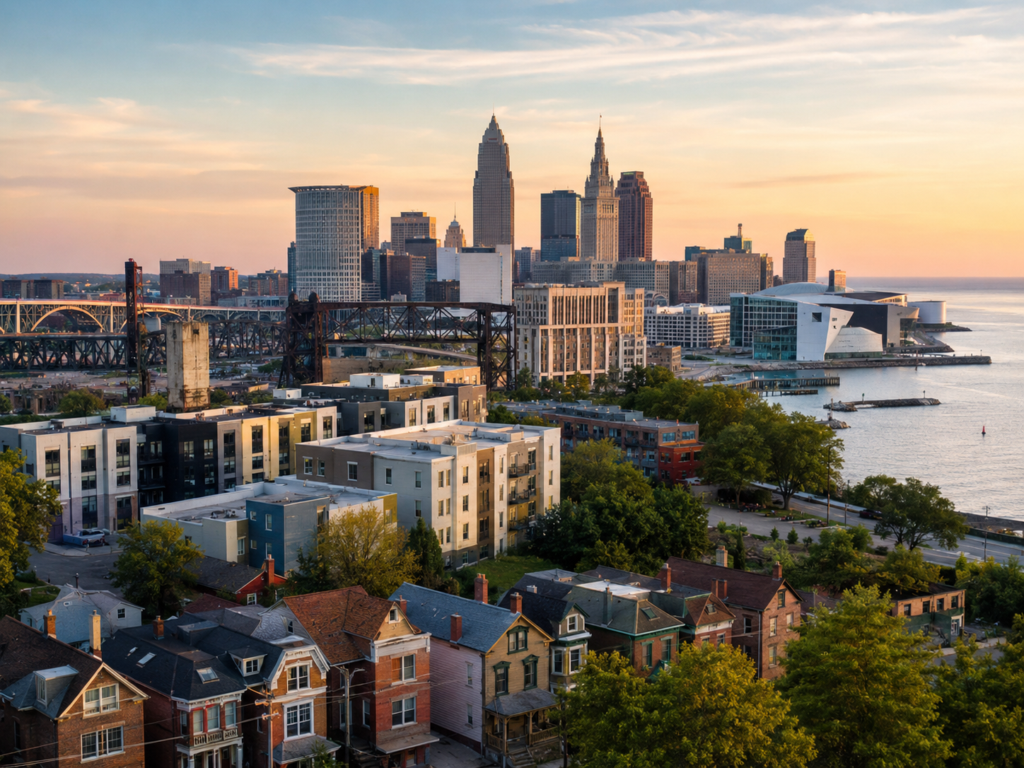
Cleveland remains one of the more practical flipping markets for 2026 because acquisition prices are still relatively accessible, the housing stock is old enough to create value-add opportunities, and the resale price point remains within reach for many local buyers.
This is not a market where investors should expect appreciation to cover a weak deal. Cleveland is better suited for disciplined flippers who can buy deeply enough, renovate efficiently, and target neighborhoods with real owner-occupant demand. Realtor.com’s March 2026 metro data showed Cleveland with a median list price of $249,900, active listings up 14% year over year, and modest price-per-square-foot growth. That combination suggests more available inventory without the same extreme pricing pressure found in many larger metros.
The opportunity in Cleveland is often in older single-family homes that need cosmetic updates, mechanical improvements, and basic modernization. Investors should focus on areas where renovated comps are clear and where buyers can still qualify at the finished price. The best projects are likely to be clean, functional renovations rather than over-designed luxury flips.
The main risk is neighborhood selection. Cleveland can vary significantly from one suburb, school district, or street to another. Investors should verify sold comps carefully, avoid assuming citywide averages apply to a specific property, and budget for older-home issues such as roofs, plumbing, electrical, foundation work, and heating systems.
2. Detroit, Michigan
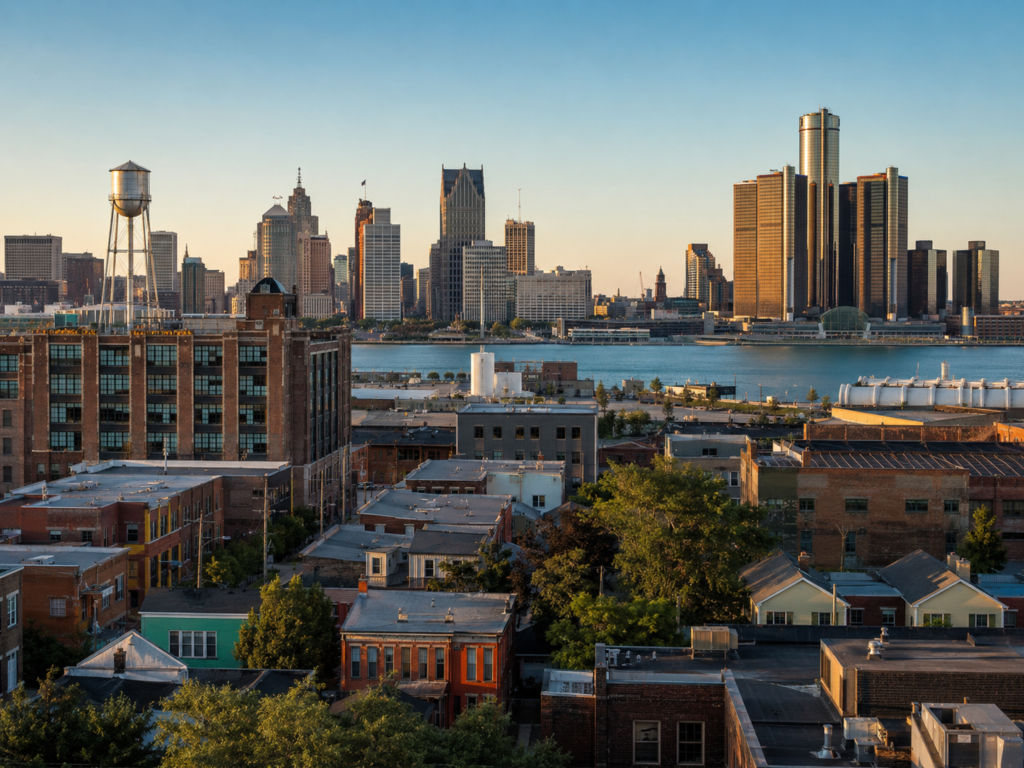
Detroit is a higher-risk flipping market, but it remains relevant because of its low entry prices, older housing stock, and large supply of properties that may need significant improvement. For experienced investors, the city and surrounding metro can offer spread opportunities that are difficult to find in more expensive markets.
Realtor.com’s March 2026 data showed the Detroit metro with a median list price of $239,900, active listings up 24.2% year over year, and median list prices down 2.1% year over year. That can create room for negotiation, but it also means investors need to be careful about resale demand and neighborhood liquidity.
Detroit is best for flippers who understand local submarkets and can distinguish between a discounted property and a property that will be hard to resell. Some areas support strong renovated resale demand, while others may look cheap but lack the buyer pool needed for a profitable exit.
The best flipping opportunities are likely to be in stable neighborhoods, inner-ring suburbs, or areas with visible owner-occupant activity and a clear comp base. Investors should be cautious with heavy-rehab projects unless they have local contractor relationships and experience managing older homes with significant deferred maintenance.
3. Buffalo, New York

Buffalo is a useful flipping market for 2026 because it combines older housing stock, relatively attainable pricing, and tight Northeast inventory conditions. It is not a low-effort market, but it can reward investors who understand renovation scope and local buyer expectations.
Realtor.com’s March 2026 data showed Buffalo with a median list price of $256,500, active listings up 19.1% year over year, and median list price per square foot up 2.3% year over year. That suggests buyers are still supporting values, even as more inventory comes to market.
The typical Buffalo flipping opportunity may involve older homes with dated interiors, older mechanical systems, exterior maintenance needs, and inefficient layouts. Renovations should focus on durable, practical improvements that appeal to local owner-occupant buyers. Kitchens, bathrooms, flooring, heating systems, roofs, insulation, and curb appeal can matter more than trendy finishes.
The main caution is climate and age of housing stock. Cold-weather maintenance, older plumbing, heating systems, basements, roofs, and exterior durability should be taken seriously. Investors should also be careful not to over-improve beyond neighborhood resale values.
4. Indianapolis, Indiana

Indianapolis stands out because it has a combination of affordability, inventory growth, and buyer demand. It is large enough to produce consistent deal flow, but still affordable enough that flippers can target starter-home and workforce-buyer price points.
Realtor.com’s March 2026 data showed Indianapolis with active listings up 27% year over year, a median list price of $312,500, and median list price per square foot up 6.3% year over year. That is an important mix for flippers: more inventory to source from, but enough price support to make resale plausible.
Indianapolis is especially attractive for investors who can identify homes that need moderate renovation rather than full structural repositioning. The market includes older single-family homes, ranch houses, and small properties that can appeal to first-time buyers if renovated cleanly and priced correctly.
The risk is competition. Indianapolis has been on investor radar for years, and good deals can attract both local and out-of-state buyers. Flippers should be careful not to pay retail prices for properties that still require investor-level renovation risk.
5. Memphis, Tennessee

Memphis is a more opportunistic flipping market. It has affordability, investor activity, and a large stock of older homes, but it also requires careful submarket selection and conservative resale assumptions.
Realtor.com’s March 2026 data showed Memphis with a median list price of $299,450, median list price down 10.3% year over year, and median list price per square foot down 6.3%. That type of pricing softness can create acquisition opportunities for flippers, but it can also be a warning sign if resale demand is weak in the wrong submarket.
The best flipping opportunities in Memphis are likely to be in areas where buyers still want renovated homes but where sellers have become more flexible. Investors should look for properties with clear comparable sales, manageable rehab scopes, and a finished price that fits local buyer financing.
Memphis is not a market for loose underwriting. Holding costs, security, contractor reliability, title issues, and neighborhood-level demand must be reviewed carefully. The spread may be attractive, but execution risk can be high.
6. Baltimore, Maryland

Baltimore offers flipping potential because of its older housing stock, urban rowhome inventory, and relatively attainable pricing compared with nearby Washington, D.C. and other East Coast markets. It can support strong projects, but the market is highly local and requires precision.
Realtor.com’s March 2026 data showed the Baltimore metro with a median list price of $361,993, active listings up 17.9% year over year, and median list prices down 3.4% year over year. That can give investors more room to negotiate while still operating in a large East Coast metro with a meaningful buyer base.
Baltimore is best for flippers who understand block-level demand, renovation permitting, and the difference between retail-ready neighborhoods and areas that are better suited for rentals. Rowhomes can produce strong visual transformations, but they can also come with structural, utility, moisture, and code-compliance issues.
The best projects are likely to be in neighborhoods where renovated comps are recent and consistent. Investors should avoid assuming that a high-end renovation in one part of Baltimore applies to another. The resale market can shift dramatically within a short distance.
7. Richmond, Virginia

Richmond is attractive because it has buyer demand, older housing stock, and a strong regional identity. It is not as inexpensive as some Midwest markets, but it offers a different type of flipping opportunity: character homes, infill neighborhoods, and properties that can appeal to owner-occupants looking for updated housing in established areas.
Realtor.com’s March 2026 data noted that Richmond had one of the strongest year-over-year increases in new listings among the 50 largest metros. More new supply can help flippers find acquisition opportunities, especially if sellers are becoming more realistic on pricing.
Richmond flipping projects should be underwritten carefully because finished resale prices can vary by neighborhood, school zone, commute pattern, and property style. A well-renovated older home in the right location may attract strong buyer interest, but a project in the wrong pocket can sit longer than expected.
The opportunity is strongest for investors who can preserve character while modernizing function. Kitchens, baths, mechanical systems, flooring, exterior appeal, and layout improvements should be aligned with what local buyers actually want, not generic national design trends.
8. Lexington, Kentucky
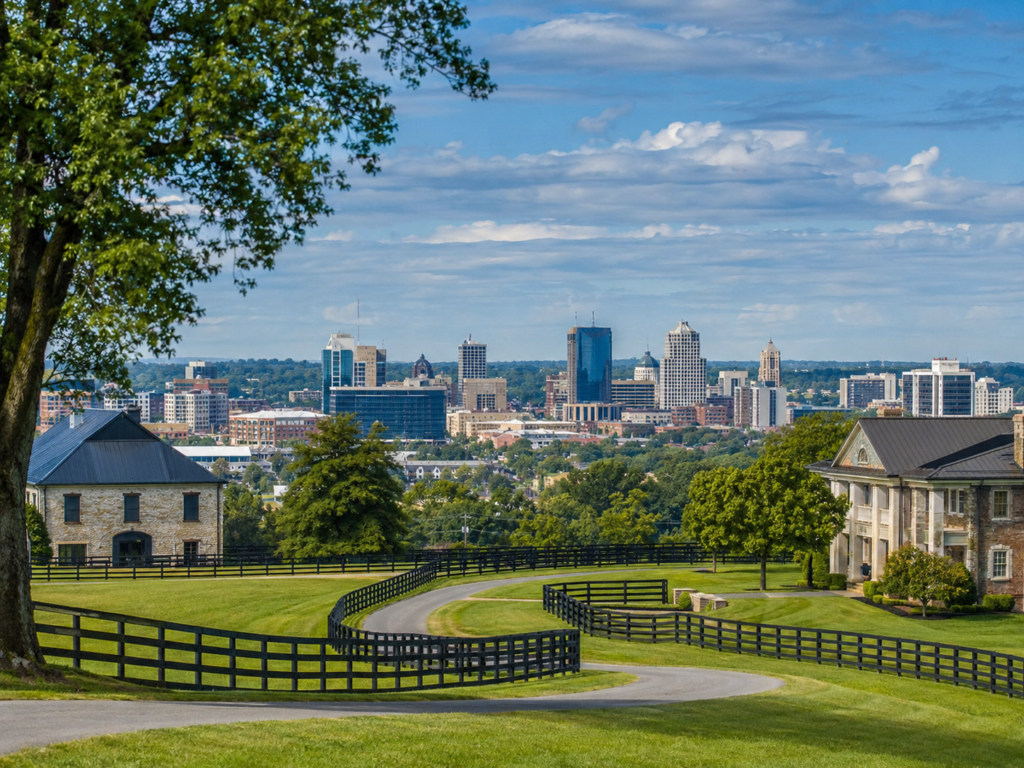
Lexington earns a place on this list because ATTOM identified it as one of the metros with a major year-over-year increase in home flipping rates in 2025. Rising flip activity does not automatically make a market attractive, but it does suggest that investors are finding enough opportunities to stay active.
Lexington has a practical flipping profile because it offers a mix of university demand, healthcare employment, equestrian-related wealth, suburban buyer demand, and older housing in need of updates. It is smaller than many major metros, but that can be an advantage for investors who want to learn the market thoroughly.
The best opportunities are likely to be properties that can be improved for owner-occupant buyers without pushing the finished price too far above local affordability. Cosmetic renovations alone may not be enough if the purchase price is too high, so investors should focus on properties with a clear value gap.
The main risk is that rising flipping activity can bring competition. Investors should avoid chasing deals simply because the market appears to be gaining attention. The numbers still need to work based on purchase price, renovation budget, holding period, closing costs, and realistic resale value.
9. Scranton, Pennsylvania
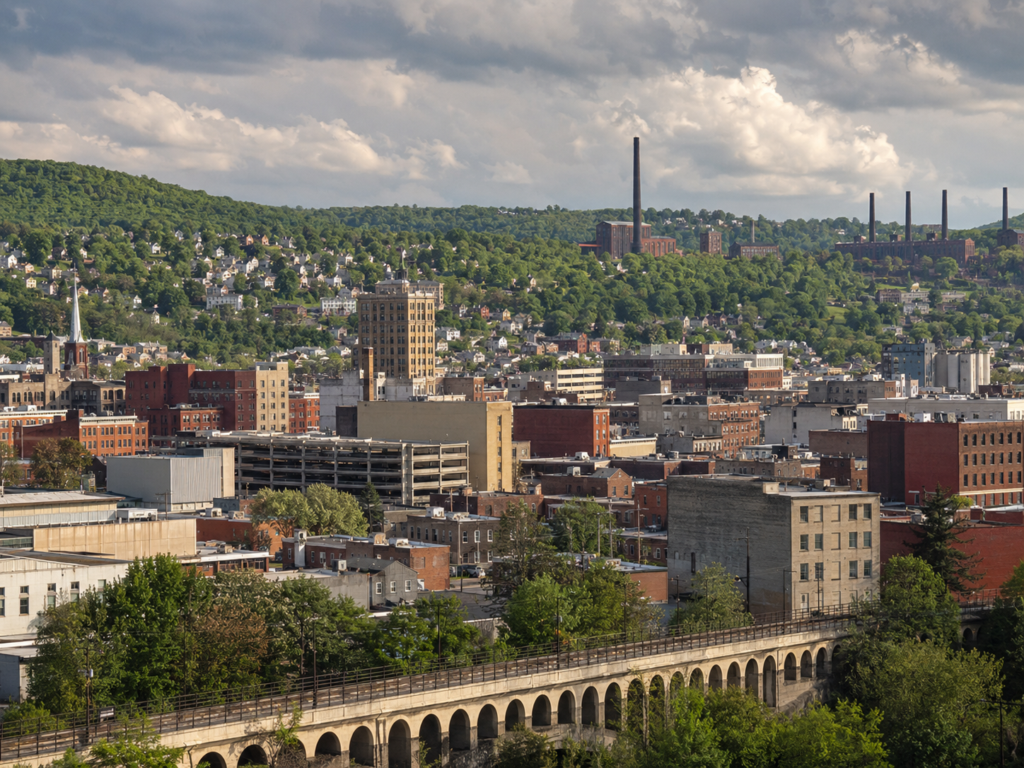
Scranton is a smaller-market flipping candidate, but it deserves attention because ATTOM reported that it was among the metros with one of the largest increases in home flipping rates in 2025. Smaller markets can be overlooked by larger investors, which may create opportunities for local or regional operators.
The appeal in Scranton is affordability and older housing stock. Many homes may need cosmetic and functional improvements, and some buyers may prefer renovated properties that are move-in ready rather than taking on repairs themselves.
This is a market where investors should pay close attention to resale depth. A smaller metro may produce attractive acquisition prices, but the buyer pool can also be thinner. That makes pricing discipline critical. A flip that misses the market can sit, and extended holding time can erase profit quickly.
Scranton is best for investors who know the local neighborhoods, understand buyer price ceilings, and keep renovation scope practical. The goal should be a clean, market-appropriate renovation, not an expensive project that depends on a premium buyer.
10. Binghamton, New York

Binghamton is another smaller metro that appears on the list because ATTOM reported a sharp increase in home flipping rates in 2025. Like Scranton, it should be treated as a targeted opportunity market rather than a broad national flipping hub.
The market may appeal to investors looking for lower acquisition costs, older homes, and less competition than larger metros. However, smaller markets require a sharper understanding of buyer demand. A property can be inexpensive and still be a poor flip if the resale market is thin or if local buyers are highly price-sensitive.
The best Binghamton flips are likely to be modest, practical renovations that bring dated homes up to clean owner-occupant standards. Investors should avoid overbuilding the neighborhood and should verify recent sold comps rather than relying on active listings.
The biggest risk is liquidity. In a smaller market, there may be fewer buyers at any given price point. That means investors need a conservative holding-period assumption and a clear exit plan before buying.
Quick Comparison of the Top House Flipping Markets for 2026
| Market | Best Fit | Primary Strength | Main Risk |
|---|---|---|---|
| Cleveland, OH | Value-focused flippers | Low entry price and older housing stock | Neighborhood variation |
| Detroit, MI | Experienced operators | Deep discount potential | High execution risk |
| Buffalo, NY | Cold-weather renovation specialists | Older housing and supported values | System and exterior costs |
| Indianapolis, IN | Scalable flippers | Inventory growth and buyer demand | Investor competition |
| Memphis, TN | Opportunistic buyers | Pricing softness and acquisition potential | Resale and submarket risk |
| Baltimore, MD | Urban rowhome specialists | Older inventory and East Coast buyer pool | Block-level variation |
| Richmond, VA | Character-home renovators | Buyer appeal and new-listing growth | Higher entry prices |
| Lexington, KY | Regional operators | Rising flipping activity | Competition from increased investor interest |
| Scranton, PA | Smaller-market flippers | Affordable older homes | Thinner buyer pool |
| Binghamton, NY | Local-market specialists | Rising flip activity | Resale liquidity |
Markets That Did Not Make the List
Some markets can still produce individual flips but did not fit the profile for this list.
Austin, Denver, Las Vegas, Tampa, Phoenix, and parts of Florida may offer selective opportunities, especially where sellers are discounting. However, many of these markets still require higher acquisition capital, and in some cases resale conditions have softened. For example, Realtor.com reported that Austin had one of the largest year-over-year declines in median list price per square foot among the top 50 metros in March 2026. That can help buyers, but it can also create appraisal and resale risk for flippers who buy too aggressively.
Some high-growth markets were also excluded because house flipping is not only about demand. A market can have strong long-term population growth and still be difficult for flippers if acquisition prices, permitting delays, contractor costs, insurance, or buyer affordability compress the spread.
What Flippers Should Look For in 2026
A strong market helps, but the property-level deal matters more. In 2026, flippers should be especially cautious with four parts of the underwriting.
Buy with the resale price already proven
A flip should not depend on the highest active listing in the neighborhood. It should be underwritten from recent sold comps, adjusted for condition, size, lot, layout, parking, school zone, and buyer financing. If the renovated resale value is not supported by closed sales, the deal is speculative.
Keep the renovation scope tight
The best flip is often not the biggest rehab. In 2026, renovation costs remain a major risk. NAHB’s material-cost analysis shows that even with some relief in certain categories, the broader construction-cost environment remains inflationary. Investors should build a detailed scope of work before closing and avoid vague allowances that can expand after demolition begins.
Respect holding costs
Higher financing costs make time more expensive. Every extra month can add interest, utilities, insurance, taxes, maintenance, and opportunity cost. Flippers should underwrite conservative timelines for permitting, contractor scheduling, inspections, staging, listing, negotiation, appraisal, and closing.
Match the renovation to the buyer
A starter-home flip should not be renovated like a luxury property. A mid-market family home should not be finished like a rental. The renovation should match the likely buyer, the price point, and the neighborhood. In many 2026 markets, clean, durable, functional, move-in-ready homes will matter more than expensive design choices.
How to Use This List
This list should be used as a starting point for market research, not as a substitute for deal analysis. A strong flipping market can still produce bad deals, and a difficult market can still produce a profitable individual project.
Before buying a flip in any of these markets, investors should verify:
- Recent sold comps, not just active listings
- Average days on market for renovated homes
- Buyer financing patterns
- Local inspection and permitting requirements
- Contractor pricing and availability
- Material cost assumptions
- Insurance and property tax costs
- Neighborhood-level resale demand
- Holding-cost exposure
- A realistic fallback plan if the property does not sell quickly
House flipping in 2026 is a margin-management business. The investors who succeed are likely to be the ones who buy more conservatively, renovate more efficiently, and price the finished property based on current buyer behavior rather than last cycle’s assumptions.
Final Flipping Takeaway
The top house flipping markets for 2026 are not necessarily the fastest-growing or most expensive housing markets. In many cases, the better opportunities are in practical, established metros where investors can still find older homes, control renovation costs, and resell at price points local buyers can afford.
Cleveland, Detroit, Buffalo, Indianapolis, Memphis, Baltimore, Richmond, Lexington, Scranton, and Binghamton each offer a different version of that opportunity. Some are larger metros with deeper buyer pools. Others are smaller markets where local knowledge may create an advantage. None of them eliminate risk.
The lesson from the current data is clear: flipping volume has slowed, profits have compressed, and investors need to be more disciplined. In 2026, the best flipping markets are not the places where investors can make the boldest assumptions. They are the places where the numbers still work after acquisition costs, repairs, financing, holding time, and resale risk are fully accounted for.
Want to Reach More Fix-and-Flip Investors?
Put your brand in front of foreclosure investors, flippers, BRRRR buyers, and deal-focused readers. Advertise With Us
You might also like:
 House Flip Financing Options Compared: Best Ways to Fund Deals
 Hard Money Loans for House Flipping: Pros and Cons
 House Flipping: How to Find, Analyze, Renovate, and Sell a Profitable Flip
 Flip Property Exit Strategies: Maximizing Profit and Minimizing Risk
 Real Estate Investor Mentorship for Portfolio Freedom
 Why MLS Comps for House Flipping Matter [Free Checklist]