
Top Short Sale Markets for 2026

Short sales are not the same as foreclosures, pre-foreclosures, or distressed auction purchases. A short sale happens when a property sells for less than the amount needed to fully pay off the mortgage and other approved costs, and the lender or servicer agrees to accept less than the full payoff.
That distinction matters in 2026 because short sales are most relevant in markets where homeowners may be under financial pressure but still have an opportunity to avoid foreclosure through a negotiated sale. For investors, the opportunity is not simply finding distressed properties. It is identifying markets where negative equity, price softness, and borrower stress may create situations where a lender-approved short sale becomes a practical resolution.
The national equity picture is mixed. According to the ICE February 2026 Mortgage Monitor, more than 1.1 million borrowers ended 2025 underwater, the highest level since early 2018, with negative equity heavily concentrated among FHA and VA loans originated in 2022 or later. ICE also noted that several Southern markets had more than one in ten mortgaged homes underwater, even though national equity levels remained historically strong.
That is the core short-sale setup for 2026. Most U.S. homeowners still have equity, so this is not a broad repeat of the post-2008 short-sale cycle. But in specific markets, especially where prices have pulled back from recent peaks, recent buyers with low down payments may have fewer clean exit options if they need to sell.
How We Selected the Top Short Sale Markets for 2026
A good short-sale market is not simply a distressed market. It is a market where four things overlap: borrowers with limited or negative equity, softening home prices, financial pressure, and enough buyer demand to make a lender-approved sale realistic.
We screened for five core factors.
1. Negative equity and low-equity risk
Short sales become more relevant when a homeowner owes more than the property can realistically sell for after closing costs, liens, repairs, and lender requirements. The Cotality Homeowner Equity Report for Q4 2025 reported that borrower equity decreased across a large portion of the U.S. at the end of 2025, with the average U.S. homeowner losing about $8,500 in equity over the prior year.
That does not automatically produce short sales. Many homeowners still have substantial equity. But declining equity matters most for recent buyers, FHA and VA borrowers, and owners in markets where prices have fallen from recent highs.
2. Price declines from recent peaks
A homeowner who bought near the top of the market can be vulnerable even if the broader metro still looks healthy. ICE’s mid-2025 home price analysis showed several markets with notable price declines from recent peaks, including Austin, Cape Coral, North Port, Phoenix, San Antonio, Boise, Tampa, Dallas, Palm Bay, Lakeland, and Sacramento.
Those declines are important because short sales are usually not driven by a market’s long-term potential. They are driven by the homeowner’s current payoff balance compared with the property’s current sale value.
3. Current listing-price softness
We also looked at current asking-price and price-per-square-foot trends. Realtor.com’s April 2026 housing market data reported that median list price per square foot was falling in 35 of the top 50 metros, with the largest declines in Austin, San Antonio, and Memphis.
For short-sale investors, this matters because soft asking prices can signal seller flexibility, lower appraisal support, and more difficulty for recent buyers who need to sell without bringing cash to closing.
4. Loan type and borrower profile
Short-sale risk is higher where recent buyers used low-down-payment financing and where values have declined. ICE reported that negative equity was concentrated among FHA and VA loans originated in 2022 or later.
That does not mean every FHA or VA borrower is distressed. It means those loan types can be more exposed in markets where prices have fallen because the borrower may have started with less equity.
5. Lender and servicer short-sale rules
Short sales are not ordinary purchases. They require lender or servicer approval, documentation, property valuation, contract review, and compliance with loan-specific rules. Fannie Mae’s short-sale servicing guidance explains that servicers must evaluate eligibility, obtain property valuations when appropriate, and review sale contracts for compliance.
Freddie Mac defines a standard short sale as the sale of the mortgaged premises for less than the total amount necessary to satisfy the mortgage. Its short sale guidance reinforces that these are controlled loss-mitigation transactions, not simple discounted purchases.
For FHA loans, HUD’s FHA Loss Mitigation Program describes the Pre-Foreclosure Sale option, noting that if current market value is not enough to pay the loan in full, the servicer may be able to accept less than the amount owed by approving an eligible borrower for a pre-foreclosure sale.
The Top Short Sale Markets for 2026
1. Austin, Texas

Austin is one of the clearest short-sale watch markets for 2026 because it combines a large post-pandemic price run-up with one of the sharpest pullbacks from recent highs. ICE’s 2025 home price analysis showed Austin prices down nearly 20% from their recent peak, and Realtor.com’s April 2026 data reported Austin had the largest year-over-year decline in median list price per square foot among the top 50 metros.
That does not mean Austin is a distressed market in the traditional sense. It remains a major technology, education, and lifestyle market with long-term demand drivers. But short-sale opportunities do not require an entire market to collapse. They emerge when individual homeowners have little equity, need to sell, and cannot cover the shortfall at closing.
Austin is especially relevant for recent buyers who purchased during the 2021–2022 peak or shortly after, particularly if they used low-down-payment financing or bought in a submarket where resale values have softened. If the owner also faces job disruption, relocation, divorce, or unaffordable payments, a short sale may become more realistic than waiting for the market to recover.
Investors should be careful not to overgeneralize. Some Austin neighborhoods remain highly desirable and may not produce much discounting. The strongest short-sale candidates are more likely to be properties in softer outer-ring areas, recently developed subdivisions, or price bands where inventory has built up and buyers have more choices.
2. San Antonio, Texas

San Antonio belongs on this list because price softness is more visible than in many large metros. Realtor.com’s April 2026 data showed San Antonio among the three largest year-over-year price-per-square-foot decliners in the top 50 metros, alongside Austin and Memphis.
San Antonio may be more affordable than Austin, but affordability does not eliminate short-sale risk. Recent buyers who purchased with thin equity can still become vulnerable if prices decline, repairs are needed, or they must sell sooner than expected. A modest price decline can create a short-sale situation when closing costs, commissions, arrears, taxes, liens, or repairs are included.
The market also has a large supply of entry-level and mid-priced housing, including suburban homes that may appeal to investors or owner-occupants if priced correctly. That matters because a lender-approved short sale still needs a realistic buyer. A market with no resale demand is not necessarily a good short-sale market.
The main caution is that short-sale investors should not confuse price softness with automatic lender discounts. Servicers will usually require valuation support. Investors need to submit clean offers with credible pricing, repair documentation, and realistic closing timelines.
3. Cape Coral, Florida
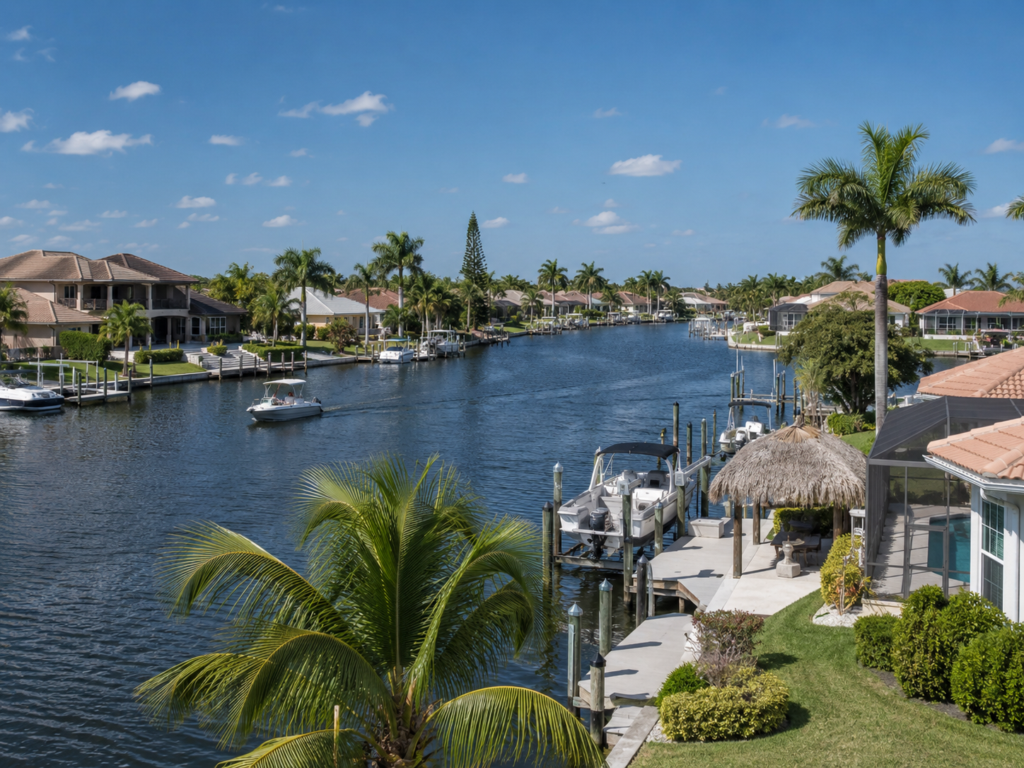
Cape Coral is one of the most important short-sale watch markets in Florida because it has seen meaningful price declines from recent highs and has been specifically identified in negative-equity discussions. ICE reported in 2025 that Cape Coral had a significant share of recent-vintage loans underwater, and its price analysis showed Cape Coral down more than 13% from its recent peak.
This market is relevant because many homeowners face a combination of pressures: high insurance costs, storm-risk considerations, property-tax changes, HOA or community costs in some areas, and softening resale conditions. Even if a homeowner has some equity on paper, those costs can reduce the practical net proceeds of a sale.
Short-sale investors should pay close attention to property condition. In coastal and storm-exposed Florida markets, roof age, flood zone, insurance eligibility, water intrusion, and deferred maintenance can change the numbers quickly. A property that appears to have equity based on a broad valuation estimate may not have equity after repair costs and insurance realities are considered.
Cape Coral may offer opportunities, but it requires disciplined underwriting. Investors should verify payoff balances, insurance history, elevation/flood risk, permit issues, and recent sold comps before assuming a short sale is feasible.
4. North Port, Florida
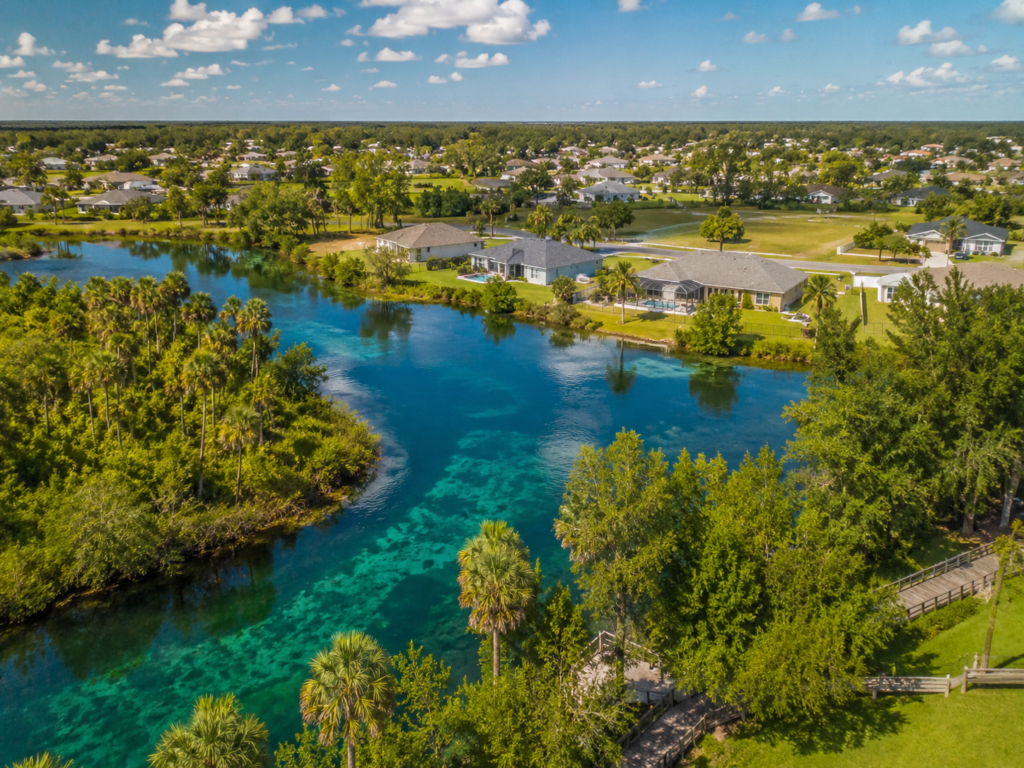
North Port is another Florida market where short-sale conditions may be more relevant in 2026 because of the market’s decline from recent highs. ICE’s home price analysis showed North Port down more than 11% from its recent peak, placing it among the larger pullbacks in the country.
The short-sale thesis here is similar to Cape Coral but not identical. North Port and the broader Southwest Florida region saw rapid pandemic-era demand, population growth, and price appreciation. When a market rises quickly and then softens, recent buyers with low down payments can be exposed.
Investors should watch for owners who bought near the peak and now face higher carrying costs, insurance premiums, repair issues, or a need to relocate. If the current sale price cannot cover the mortgage payoff and transaction costs, a short sale may become a viable alternative to foreclosure.
The caution is that lenders will not approve a short sale simply because the buyer wants a discount. The transaction must usually reflect market value under servicer guidelines. Investors should prepare repair estimates, comparable sales, and a complete offer package.
5. Phoenix, Arizona

Phoenix remains relevant because it was one of the major boom markets that cooled after the rapid appreciation period. ICE’s 2025 price data showed Phoenix prices down from their recent peak, and that type of pullback can matter for homeowners who purchased near the top with limited equity.
Phoenix still has strong long-term demand drivers, including population growth, employment diversification, and investor activity. But the short-sale opportunity is more likely to appear in specific submarkets or property types rather than across the entire metro.
Recent buyers in outer suburbs, investor-heavy neighborhoods, or new-construction-adjacent areas may be more vulnerable if resale values have softened and carrying costs remain high. If a homeowner must sell because of job loss, relocation, divorce, or payment stress, the transaction may be difficult without lender cooperation.
Investors should evaluate Phoenix short-sale candidates carefully because market liquidity can vary by price point. A property with clear buyer demand and recent comps is more likely to get servicer attention than one where the offer appears opportunistically low.
6. Boise, Idaho

Boise is a useful short-sale market to watch because it experienced one of the more visible post-pandemic corrections among former high-growth metros. ICE’s 2025 analysis showed Boise prices down more than 5% from their recent peak, while noting that parts of Idaho were among the areas with declines from recent highs.
Boise’s long-term appeal remains intact for many buyers, but that does not protect every recent homeowner. A buyer who purchased near the peak with a low down payment may have limited equity after transaction costs. If that owner needs to sell before values recover, a short sale may become part of the discussion.
The best short-sale candidates in Boise are likely to be homes where the owner’s payoff balance, current market value, and required sale costs leave no clean path to a standard sale. Investors should also watch for properties that have been listed and reduced without selling, because failed listing attempts can sometimes help support a short-sale package.
The main caution is that Boise is not a broad distress market. Investors need a property-specific reason why the lender should consider the offer. A general claim that the market cooled is not enough.
7. Memphis, Tennessee

Memphis earns a place on this list because of visible price softness and practical investor demand. Realtor.com’s April 2026 data showed Memphis among the top 50 metros with the largest year-over-year decline in median list price per square foot.
Short-sale opportunities in Memphis may come from owners who are dealing with affordability stress, deferred maintenance, tenant problems, or declining neighborhood-level values. Because the market includes a large amount of older housing stock, repair condition can be a major factor in whether a property is truly underwater after costs are considered.
Memphis can be attractive to investors because there are rental and resale exits in the right submarkets. However, those exits are highly neighborhood-dependent. A lender-approved short sale still has to make sense relative to the property’s condition, local comps, and buyer demand.
The risk is that some properties may be distressed for operational reasons rather than equity reasons. Investors should review title, liens, taxes, property condition, occupancy, and neighborhood-level resale before pursuing a short sale.
8. Tampa, Florida

Tampa is not as obvious a short-sale market as Cape Coral or North Port, but it belongs on the watch list because ICE identified Tampa among markets where prices were more than 3% off recent peaks in its 2025 analysis.
Tampa still has strong demand, employment, and lifestyle appeal. That means many owners will not need a short sale. But in a market where prices have softened and ownership costs have increased, some recent buyers may have less equity than expected.
Short-sale opportunities may be more likely in properties with repair issues, insurance challenges, high HOA or condo fees, or locations where comparable sales have weakened. Investors should look for specific distress indicators rather than assuming the entire Tampa market is short-sale prone.
The main caution is competition. Tampa remains a popular investor and owner-occupant market. A clean property in a desirable neighborhood may sell conventionally even if the owner is under pressure. Short-sale investors should focus on cases where payoff balance, repair costs, and current value create a genuine shortfall.
9. Dallas-Fort Worth, Texas

Dallas-Fort Worth is a large market where short-sale opportunities may emerge selectively because of price moderation, high recent purchase volumes, and borrower-level stress. ICE’s 2025 analysis identified Dallas among markets more than 3% off recent peaks.
DFW has a broad employment base and deep buyer pool, which helps support exits. That matters because short sales require a buyer who can close and a servicer that believes the offer reflects market value. In a large metro, investors may find more candidate properties, but they will also face more competition.
The likely short-sale opportunities are not evenly distributed. They may appear in recently built subdivisions, investor-heavy areas, or outer suburbs where values softened after rapid appreciation. Recent buyers with minimal equity can be especially vulnerable if they need to sell.
Investors should be disciplined. DFW is not a distressed market as a whole, and many homeowners still have equity. The short-sale case must be proven property by property.
10. Sacramento, California

Sacramento rounds out the list because it has experienced price softness from recent highs and remains sensitive to affordability. ICE’s 2025 analysis identified Sacramento among markets more than 3% off recent peaks.
Sacramento is different from the lower-cost markets on this list. Higher price points mean a small percentage decline can translate into a large dollar shortfall for a recent buyer. If that buyer used a low down payment and now needs to sell, closing costs alone can push the transaction into short-sale territory.
The market also has commuter and affordability linkages to the broader Northern California economy. When buyer demand softens or rates remain high, resale timelines can become more difficult, especially for homes that need repairs or are priced too aggressively.
The caution is California complexity. Investors should pay close attention to state-specific rules, local practices, tenant issues, lien priority, and transaction timelines. Sacramento can produce short-sale opportunities, but the process may be slower and more documentation-heavy than in lower-regulation markets.
Quick Comparison of the Top Short Sale Markets for 2026
| Market | Best Fit | Primary Short-Sale Signal | Main Risk |
|---|---|---|---|
| Austin, TX | Price-correction investors | Sharp decline from recent peak | Strong submarkets may not discount |
| San Antonio, TX | Entry-price investors | Current price-per-square-foot softness | Servicer valuation discipline |
| Cape Coral, FL | Florida distress specialists | Recent-vintage negative equity risk | Insurance, storm, and repair issues |
| North Port, FL | Southwest Florida investors | Large decline from recent peak | Property-specific valuation risk |
| Phoenix, AZ | Selective Sun Belt investors | Peak-to-current price correction | Uneven submarket liquidity |
| Boise, ID | Former boom-market investors | Post-pandemic correction | Not broad-based distress |
| Memphis, TN | Yield-focused investors | Price-per-square-foot decline | Neighborhood and title risk |
| Tampa, FL | Case-by-case short-sale buyers | Price decline from recent peak | Competition and remaining demand |
| Dallas-Fort Worth, TX | Scale-focused investors | Moderation after rapid growth | Many owners still have equity |
| Sacramento, CA | Higher-price short-sale buyers | Affordability and peak-price pressure | California transaction complexity |
Markets That Did Not Make the List
Some foreclosure-heavy markets did not make this short-sale list because foreclosure activity alone is not enough. A short sale requires a specific equity problem. A homeowner may be delinquent and still have enough equity to sell conventionally. In that case, the better solution may be a traditional listing, not a short sale.
Some low-price markets were also excluded because low values do not automatically create short-sale opportunity. In many lower-cost markets, owners who bought before the recent price cycle may still have enough equity, even if the property needs repairs.
This article also intentionally differs from the pre-foreclosure market list. Pre-foreclosure investing focuses on early distress, public records, and foreclosure timelines. Short-sale investing focuses on whether the mortgage payoff, current value, sale costs, and lender rules create a genuine need for lender approval.
What Investors Should Look For in a 2026 Short Sale Deal
A strong short-sale market helps, but short sales are approved at the property and loan level. Investors should evaluate each deal carefully before spending time on the process.
Confirm that a short sale is actually needed
Not every distressed seller needs a short sale. The homeowner may have enough equity to sell conventionally, even if they are behind on payments. Investors should estimate current market value, mortgage payoff, arrears, taxes, liens, HOA balances, commissions, closing costs, and repair credits before assuming the sale will be short.
Understand the loan type
Fannie Mae, Freddie Mac, FHA, VA, portfolio lenders, and private investors may have different short-sale rules. Fannie Mae’s servicing guidance requires servicers to evaluate eligibility, review contracts, and obtain valuations where appropriate. Freddie Mac also defines and controls short sales through its servicing framework.
For FHA loans, HUD’s Pre-Foreclosure Sale option may allow the servicer to accept less than the full amount owed if the borrower is eligible. That makes FHA-heavy markets especially relevant when values have declined.
Prepare a complete offer package
Short-sale approval usually requires more than a signed contract. The package may include hardship documentation, listing history, a purchase contract, buyer proof of funds or financing, a preliminary settlement statement, repair estimates, comparable sales, payoff information, and servicer-specific forms.
A weak package can delay or kill the deal. Investors who want to work in short sales should build a repeatable process with agents, title companies, attorneys, and lenders who understand the workflow.
Use current comparable sales
Servicers will usually order or review a valuation. If the investor’s offer is far below current market value without support, the short sale may be rejected. Repair estimates, inspection findings, contractor bids, and recent sold comps are critical.
Watch for junior liens and HOA balances
A short sale can become complicated when there are second mortgages, HELOCs, judgment liens, tax liens, HOA liens, or municipal balances. Even if the first mortgage servicer approves the sale, junior lienholders may need to release their claims.
Be patient, but protect the timeline
Short sales can take longer than ordinary purchases. Investors should build that into the contract, financing, inspections, title work, and closing timeline. At the same time, they need to monitor foreclosure dates, servicer deadlines, and document expirations closely.
How to Use This List
This list should be used as a market-research starting point. It does not mean every property in these markets is a short-sale candidate. It means these markets have conditions that may create more short-sale relevance in 2026.
Before pursuing short-sale opportunities in any market, investors should verify:
- Current market value
- Mortgage payoff
- Loan type and servicer
- Equity position after all sale costs
- Delinquency status
- Foreclosure timeline
- Repair condition
- HOA, tax, and lien balances
- Recent sold comps
- Listing history and price reductions
- Servicer short-sale requirements
- Buyer financing and closing timeline
The best short-sale investors are not simply looking for discounts. They are looking for situations where a lender-approved sale can solve a real equity and hardship problem while still giving the buyer a workable acquisition basis.
Final Takeaways on Short Sales
The top short sale markets for 2026 are not the markets with the most foreclosures or the lowest home prices. They are markets where recent price declines, negative-equity risk, borrower stress, and buyer demand overlap.
Austin, San Antonio, Cape Coral, North Port, Phoenix, Boise, Memphis, Tampa, Dallas-Fort Worth, and Sacramento each fit that profile in a different way. Some are former boom markets where values pulled back from peak levels. Others are affordable or investor-active markets where price softness and borrower stress may create lender-approved sale opportunities.
The key lesson is that short sales in 2026 are likely to be selective, not universal. National homeowner equity remains strong overall, but the risk is concentrated among recent buyers, low-down-payment borrowers, and markets where values have declined from recent highs.
Investors who understand loan rules, valuation standards, documentation, and ethical seller communication may find opportunities. Investors who simply assume “distress equals discount” are likely to waste time or misread the market.
Are You Looking for Deal-Minded Buyers?
Connect with readers actively researching foreclosure investing, property analysis, and distressed real estate opportunities. Start Advertising
You might also like:
 Short Sale vs Foreclosure Differences Every Investor Should Know
 Maximizing Profit on Real Estate Short Sale Investments
 Short Sale vs Foreclosure Timeline Comparison for Investors
 Calculating Profit Margins on Real Estate Short Sales
 Short Sale Investing: How to Buy, Analyze, and Profit From Short Sale Properties
 How to Negotiate a Short Sale with Lenders and Win the Deal