
How to Structure Real Estate Partnerships for Foreclosure Deals

Foreclosure investing partnerships can help you pursue deals that may be too capital-intensive, time-sensitive, or operationally complex to handle alone. One investor may have the money. Another may have the deal source. Another may understand auctions, title issues, rehab budgets, contractors, and resale strategy. That combination can work well, but only when the roles are…
Read MoreAs-Is Foreclosure Deals How to Price the Risk
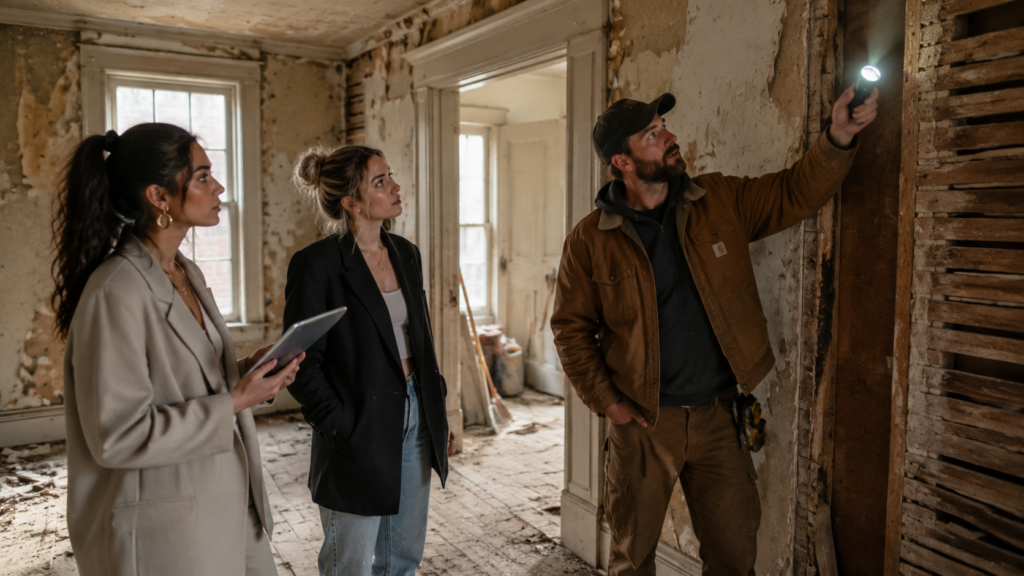
As-is foreclosure deals can look attractive because the seller, lender, trustee, or auction platform may be offering the property at a discount. But “as-is” is not a discount by itself. It is a risk transfer. When you buy an as-is foreclosure, you are usually accepting the property in its current condition with limited promises from…
Read MoreZombie Foreclosures What Investors Need to Know

A zombie foreclosure can look like an opportunity from the street: abandoned house, overgrown yard, broken windows, no visible activity, and a lender or owner who may appear motivated. But for investors, these properties can carry risks that are easy to underestimate. The problem is not just vacancy. The problem is uncertainty. Ownership may be…
Read MoreSheriff Sale vs Foreclosure Auction
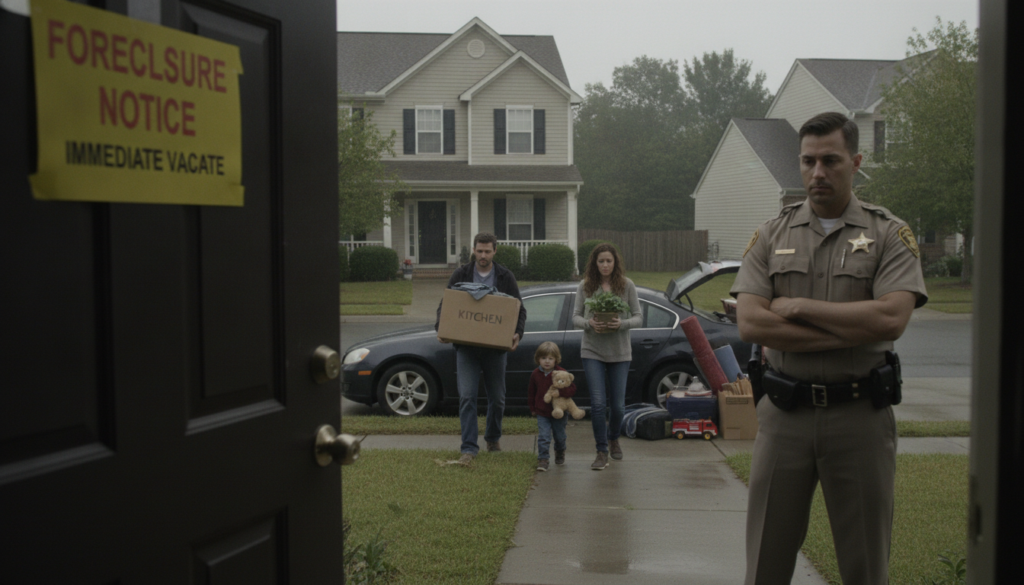
Understanding sheriff sale vs foreclosure auction differences can help you avoid treating every distressed-property auction as the same kind of deal. The terms are sometimes used loosely, but the sale authority, payment rules, title risk, redemption issues, and post-sale steps can vary significantly. As an investor, that distinction matters before you register, fund a deposit,…
Read MoreBankruptcy Property Due Diligence Checklist

Bankruptcy property due diligence requires more than estimating repairs and checking comparable sales. When a property is tied to a bankruptcy case, the deal may depend on court approval, trustee authority, creditor notice, lien treatment, and timing conditions that do not exist in a normal distressed-property purchase. As an investor, your job is to answer…
Read MoreShadow Inventory in Real Estate What Investors Should Watch
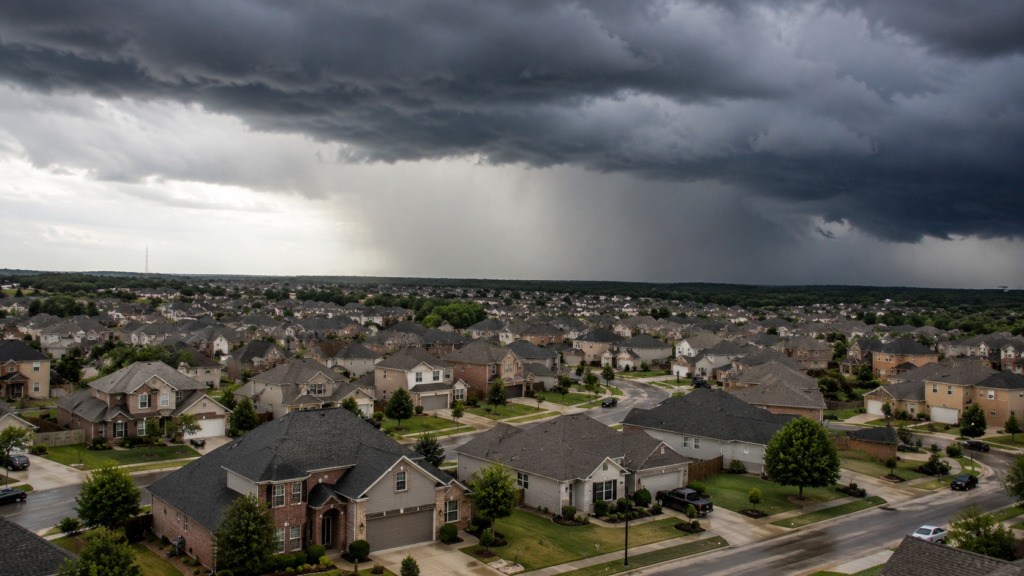
Shadow inventory real estate trends can give you an early view of future foreclosure supply before those properties become visible listings. For investors, this matters because the deals you see today may not reflect the full amount of distressed property that could reach the market later. Shadow inventory is not always easy to measure. It…
Read MoreSeller Financing for Distressed Property Investors

Seller financing distressed property deals can help you structure acquisitions when a seller needs speed, certainty, income, or a cleaner exit. Instead of the buyer using a traditional lender for the full purchase price, the seller agrees to receive part of the payment over time. That can be useful when a property needs repairs, the…
Read MoreSheriff Sale Investing for Real Estate Investors
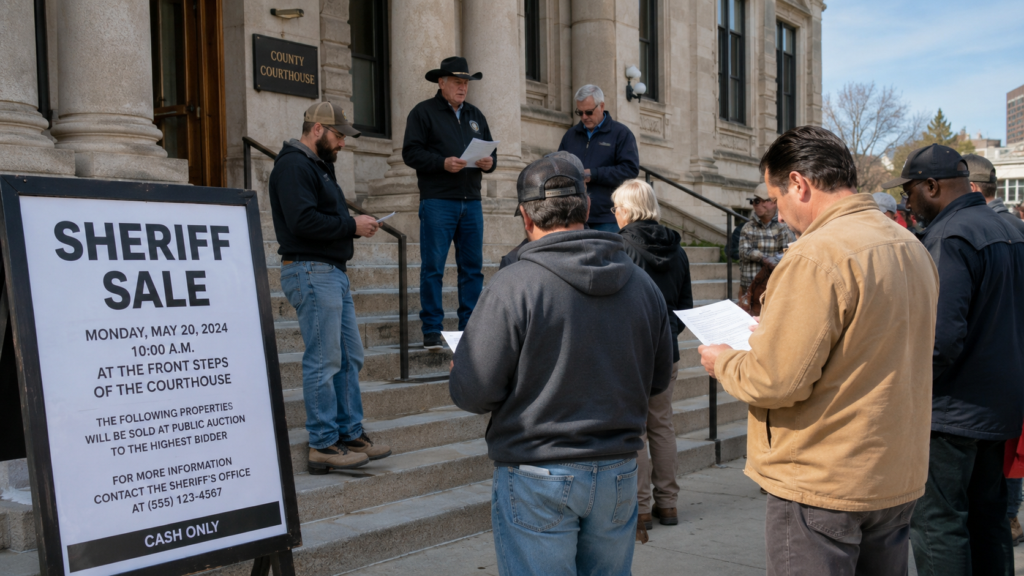
Sheriff sale investing can give you access to foreclosure properties before they reach the open retail market. But a sheriff sale is not a normal real estate closing. You may have limited inspection access, strict payment deadlines, title risk, occupancy issues, and post-sale legal steps before you can fully control the property. If you’re considering…
Read MoreFixer-Upper vs Foreclosure What Investors Should Compare

Understanding fixer upper vs foreclosure deals can help you avoid a common investing mistake. A fixer-upper is usually defined by property condition. A foreclosure is defined by legal or financial distress. Those two things can overlap, but they are not the same. A clean-title property with outdated kitchens and bathrooms may be a fixer-upper without…
Read More