
As-Is Foreclosure Deals How to Price the Risk
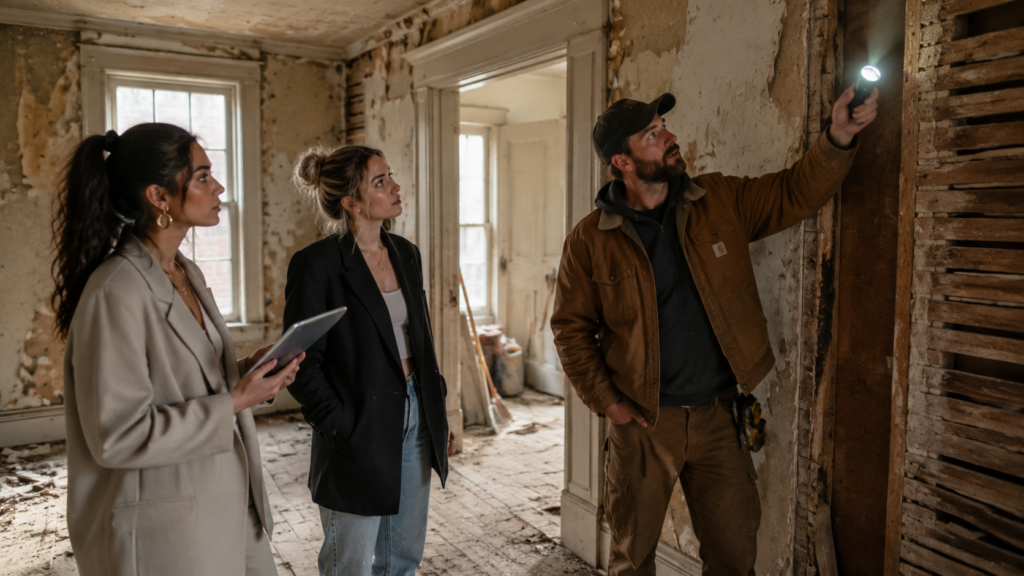
As-is foreclosure deals can look attractive because the seller, lender, trustee, or auction platform may be offering the property at a discount. But “as-is” is not a discount by itself. It is a risk transfer.
When you buy an as-is foreclosure, you are usually accepting the property in its current condition with limited promises from the seller. You may have little inspection access, few disclosures, no repair credits, no warranty, and no guarantee that the property condition matches your assumptions.
That does not mean you should avoid every as-is deal. It means you need a pricing method that converts unknowns into numbers before you bid or make an offer.
Learn the Strategies Behind Smarter Foreclosure Investing
Get practical foreclosure investing content delivered twice a week, including deal analysis tips, strategy breakdowns, useful tools, and new resources from Foreclosure Flips. Sign up to keep learning and spotting better opportunities.
What “As-Is” Really Means in a Foreclosure Deal
In practical terms, “as-is” usually means the seller does not intend to make repairs or guarantee the property’s condition. Institutional sellers often use broad language. The FDIC, for example, describes its real estate sales as being offered on an “as is, where is, with all faults” basis, with no guarantee or warranty about the property’s condition, character, size, location, or fitness for use.
That type of language is common in distressed-property transactions. It shifts the burden onto you to inspect, verify, price, and accept the risk.
As-Is Does Not Mean “No Due Diligence”
As-is does not mean you should skip title review, code searches, insurance checks, utility research, occupancy review, or repair estimating. It means the seller may not fix problems you discover.
If you uncover a bad roof, unsafe electrical panel, hidden water damage, or municipal code case, the seller may simply say: “That is reflected in the as-is sale terms.”
Your protection is not the seller’s promise. Your protection is the price you pay.
Separate Known Repairs From Unknown Risk
A useful way to analyze as-is foreclosure deals is to split the risk into two categories: known repairs and unknown exposure.
Known repairs are visible or documented. You can see the roof damage, broken windows, missing HVAC condenser, damaged flooring, overgrown lot, or stripped kitchen. Unknown exposure is what you cannot confirm: sewer condition, foundation movement, mold behind walls, termite damage, unpermitted work, missing copper, failed electrical systems, or hidden code violations.
Do Not Use One Repair Number
Many investors make the mistake of using a single repair estimate. For as-is properties, it is better to use layers:
- Base repair estimate.
- Inspection-driven repair adjustments.
- Unknown-condition contingency.
- Code and permit allowance.
- Utility activation and safety-check allowance.
- Post-possession surprise reserve.
If the base repair estimate is $55,000, that does not mean your deal has $55,000 of repair risk. If you have no interior access, an older roof, disconnected utilities, and possible occupancy issues, the risk-adjusted repair number may need to be $70,000, $80,000, or more.
Price the Property Around Access
Access is one of the biggest pricing variables. An as-is foreclosure you can fully inspect is not the same as one you can only view from the street.
Full Access
If you can inspect the interior, test utilities, bring contractors, check the attic, review the crawl space, scope the sewer, and evaluate mechanical systems, your repair estimate can be more precise. You still need a contingency, but it can be smaller.
Limited Access
If access is limited to an exterior drive-by, your offer should be materially lower. You may be buying a house with hidden plumbing leaks, missing electrical components, mold, structural issues, or severe interior damage.
This is where discipline matters. Do not let exterior curb appeal trick you into assuming the interior is manageable.
No Utility Testing
If water, gas, or electricity cannot be tested, price that uncertainty directly. A property can look acceptable while hiding failed plumbing, unsafe wiring, nonfunctioning HVAC, damaged water heaters, or sewer problems.
Budget for licensed inspections and possible replacement. If you cannot verify systems before closing, your bid should assume some of them will fail.
Financing Risk Can Change the Maximum Price
As-is condition can affect financing. A property that is acceptable for a cash buyer may not qualify for conventional financing if safety, soundness, habitability, or structural issues are present.
Fannie Mae’s property-condition guidance notes that an appraisal may be completed “as is” when existing conditions are minor and do not affect safety, soundness, or structural integrity. For investors, the reverse is the important point: if the deficiencies are not minor, financing may become harder, slower, or more expensive.
Match the Loan to the Condition
Before you bid, confirm whether the property fits your capital source. Traditional financing may fail if utilities are off, the kitchen or bathrooms are not functional, the roof is actively leaking, or major systems are missing.
Hard money may be more flexible, but it still has limits. The lender may reduce proceeds, require more cash down, hold back repair funds, or require inspections before draws. That changes your cash requirement and holding-cost exposure.
Disclosures, Warranties, and What You Still Need to Verify
An as-is clause may reduce what the seller will do for you, but it does not eliminate every disclosure, safety, or legal issue in every transaction. Rules vary by state, seller type, and acquisition channel.
For example, EPA lead-based paint rules apply to many pre-1978 housing sales and leases, although the EPA’s lead-based paint disclosure guidance also lists foreclosure sales among the exceptions. That matters because your obligations may change depending on whether you are buying at foreclosure, buying REO, reselling after rehab, or converting the property into a rental.
Your Practical Checklist
Before closing or bidding, verify:
- Whether seller disclosures are available.
- Whether the property was built before 1978.
- Whether the acquisition type limits disclosures.
- Whether local code violations exist.
- Whether open permits exist.
- Whether title insurance is available.
- Whether the property is occupied.
- Whether utilities can be activated safely.
- Whether insurance can be bound before work starts.
The key is not to rely on one disclosure package. The key is to build your own information file.
Title and Legal Risk Are Part of “As-Is”
As-is condition is not only physical. Many foreclosure deals also come with legal and title uncertainty.
You may be dealing with unpaid property taxes, municipal liens, HOA balances, redemption rights, bankruptcy delays, open permits, code enforcement, or unclear possession. These are not cosmetic problems, but they can damage profit just as quickly as a failed roof.
Add a Title-Risk Allowance
Your maximum bid should include a separate allowance for title and legal uncertainty. Do not hide it inside the repair budget.
For example, you might include:
$5,000 for title curative work.
$8,000 for municipal liens or code resolution.
$3,000 for legal possession costs.
$4,000 for unpaid utilities, HOA, or administrative charges.
If those risks are not present, your deal improves. If they are present, you already priced them.
Use a Risk-Adjusted Bid Formula
A simple as-is foreclosure pricing formula looks like this:
ARV – confirmed repairs – unknown repair reserve – title and lien allowance – financing costs – holding costs – selling costs – possession costs – required profit = maximum offer
The unknown repair reserve is the number many investors skip. That reserve should grow when access is limited, utilities are off, the home is older, the property is occupied, the roof is questionable, or the municipality has enforcement activity.
Example
Assume the after repair value is $300,000.
Confirmed repairs: $55,000
Unknown repair reserve: $20,000
Title and lien allowance: $7,500
Financing costs: $14,000
Holding costs: $12,000
Selling costs: $24,000
Possession and security allowance: $5,000
Required profit: $45,000
Maximum offer: $117,500
If you remove the unknown repair reserve, the deal may look like it supports a $137,500 offer. That extra $20,000 is exactly where many as-is foreclosure deals become dangerous.
When to Walk Away
Some as-is foreclosure deals are not worth pricing. If you cannot confirm ownership, cannot estimate access, cannot insure the property, cannot understand title risk, or cannot build a credible repair range, the discount may not be enough.
You should also be cautious when the seller or auction terms restrict too much information while demanding aggressive payment deadlines. Fast closing and limited diligence can work for experienced investors, but only when the margin is large enough.
Watch for Deal-Killing Signals
Be careful when you see:
No interior access.
Active roof failure.
Standing water.
Fire damage.
Structural movement.
Open code cases.
Possible condemnation.
Occupied property with no possession plan.
Unclear title.
Unpaid taxes or HOA balances.
No realistic financing path.
One of these issues may be manageable. Several together should force a much lower bid or a pass.
The Investor Takeaway
As-is foreclosure deals can be profitable when you price the risk instead of ignoring it. The phrase “as-is” tells you that the seller is shifting repair, condition, warranty, and often information risk onto you.
Your job is to turn that uncertainty into a disciplined offer. Separate known repairs from unknown exposure. Reduce your bid when access is limited. Confirm financing before you commit. Add allowances for title, liens, possession, utilities, code issues, and insurance. Then protect your required profit.
An as-is foreclosure is not automatically a bargain. It becomes a bargain only when the purchase price is low enough to absorb the problems you know about and the ones you have not found yet.
Wondering Where the Savviest Investors Find Their Best As-Is Deals?
Access the largest database of foreclosure properties nationwide and discover below-market deals before other investors. Start your search today!
You might also like:
 How Code Violations Affect Foreclosure Deals
 Fixer-Upper vs Foreclosure What Investors Should Compare
 What Happens After You Win a Foreclosure Auction
 Foreclosure Insurance Problems Investors Should Plan For
 Tax Lien vs Tax Deed Investing for Distressed Deals
 Zombie Foreclosures What Investors Need to Know