
Posts Tagged ‘Property Inspection’
Fixer-Upper vs Foreclosure What Investors Should Compare
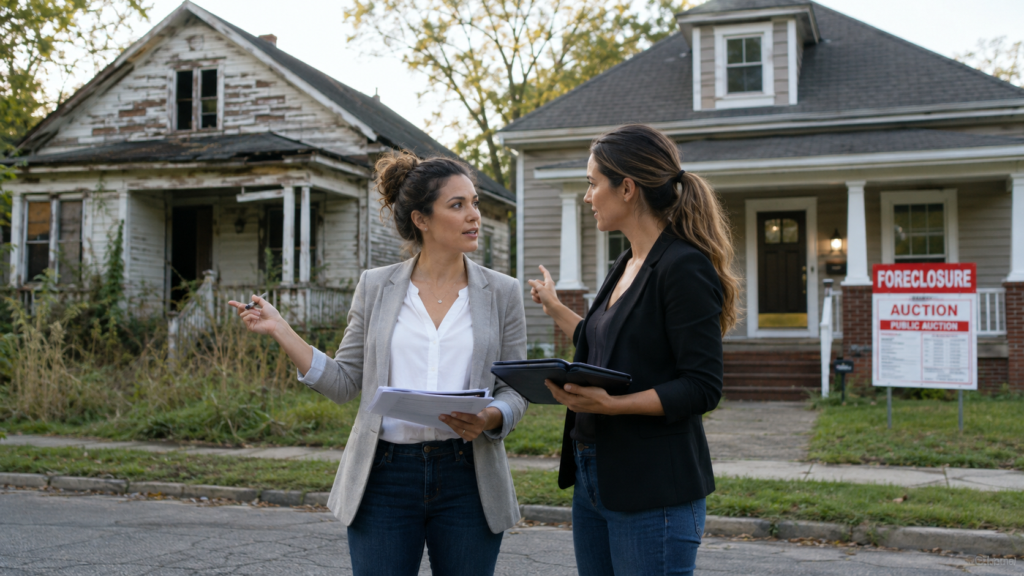
Understanding fixer upper vs foreclosure deals can help you avoid a common investing mistake. A fixer-upper is usually defined by property condition. A foreclosure is defined by legal or financial distress. Those two things can overlap, but they are not the same. A clean-title property with outdated kitchens and bathrooms may be a fixer-upper without…
Read MoreHUD Home Investing When the Numbers Work
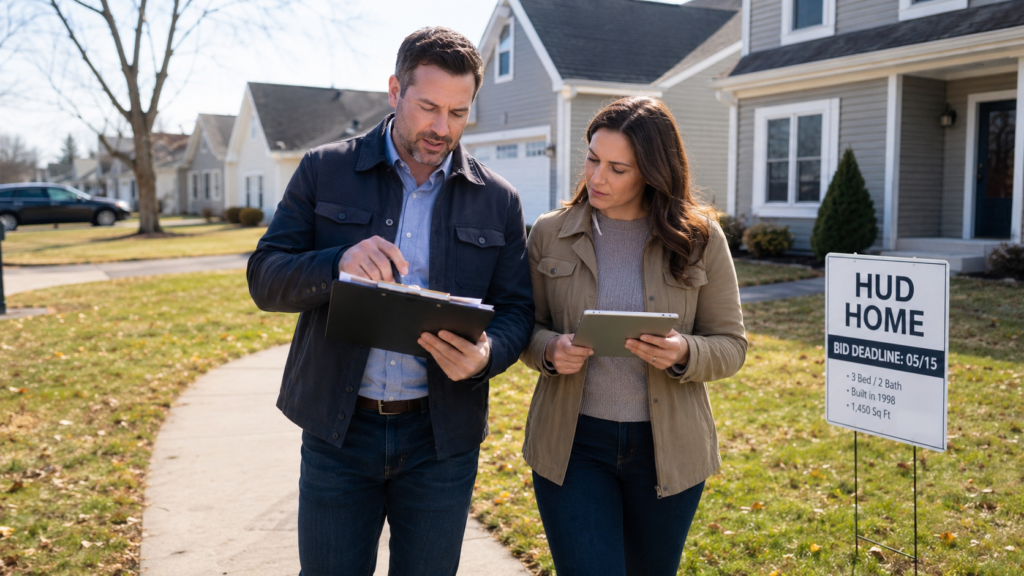
HUD home investing can be a useful strategy when you understand the rules before you bid. These properties are not traditional foreclosure auction deals, and they are not the same as ordinary MLS listings. HUD homes are properties acquired by the U.S. Department of Housing and Urban Development after foreclosure on an FHA-insured mortgage. For…
Read MoreMulti-Family Foreclosures How to Analyze the Deal
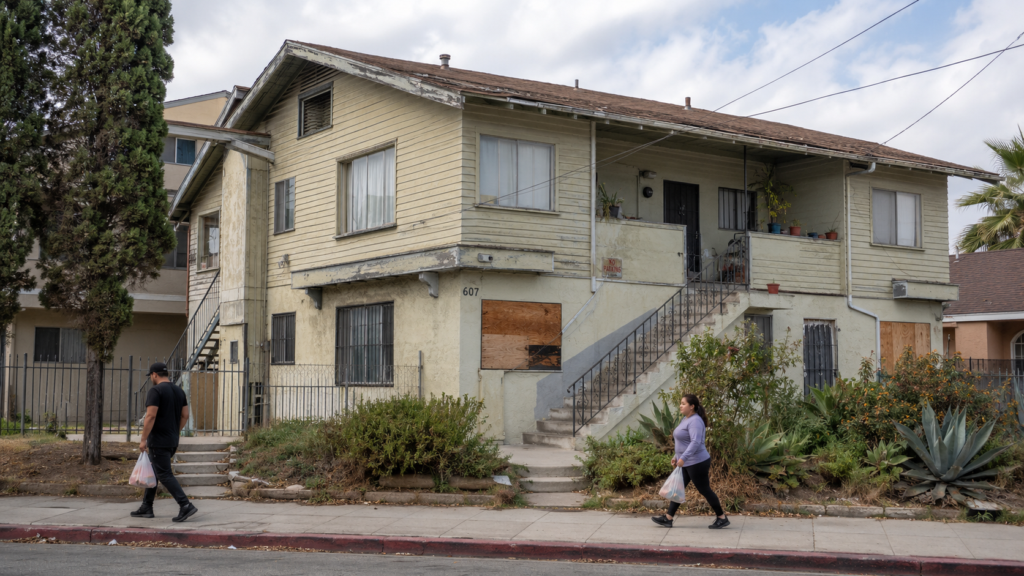
Multifamily foreclosure investing can be attractive because one acquisition may give you multiple rental units, several income streams, and a value-add opportunity in a single deal. But a multifamily foreclosure is not just a bigger version of a single-family foreclosure. You’re not only buying a building. You’re buying an income-producing asset with leases, tenants, expenses,…
Read MoreHow Code Violations Affect Foreclosure Deals
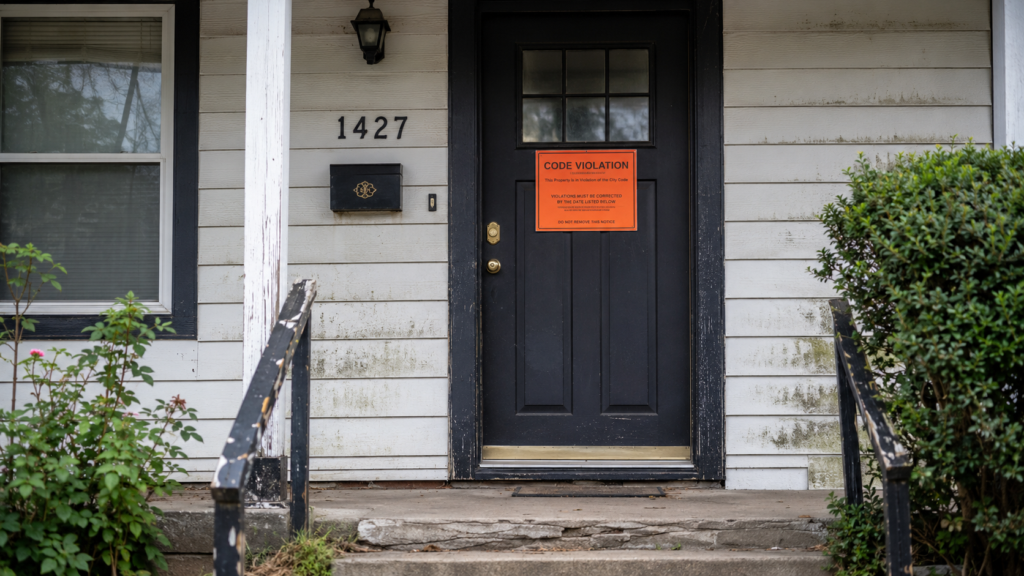
Foreclosure code violations can turn a promising distressed property into a much more expensive project. A low auction price may look attractive, but unresolved municipal liens, unsafe structure notices, open permits, unpermitted work, and code enforcement fines can quickly damage the economics of the deal. For investors, code issues are not just paperwork. They affect…
Read MoreForeclosure Insurance Problems Investors Should Plan For
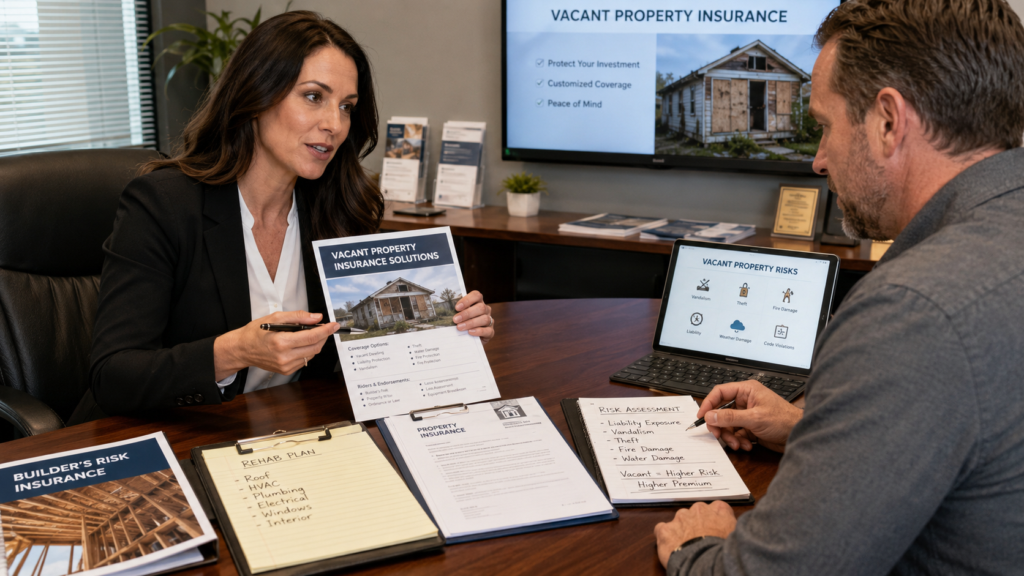
Foreclosure insurance problems can appear quickly after an investor wins a property. The home may be vacant, occupied, damaged, unsecured, or headed into renovation. A standard insurance policy may not fit any of those conditions. For investors, the key issue is timing. You need the right coverage before contractors enter the property, before utilities are…
Read MoreHow to Handle Utilities After Buying a Foreclosure
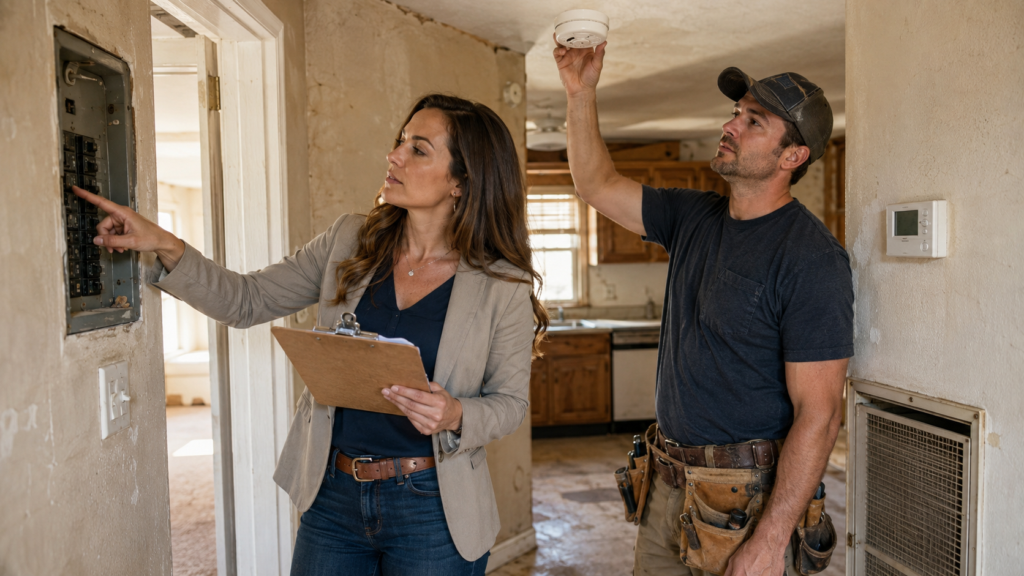
Handling utilities after buying a foreclosure is one of the first operational steps investors need to get right. Power, water, gas, sewer, trash service, and utility permits can all affect safety, inspection access, rehab planning, insurance, and holding costs. A foreclosure purchase is often sold as-is. The property may be vacant, winterized, damaged, occupied, vandalized,…
Read MoreWhy MLS Comps for House Flipping Matter [Free Checklist]

House flipping starts with a simple question: what will this property be worth when the work is done? That number is usually called after-repair value, or ARV. It is one of the most important numbers in a flip. If the ARV is too high, the investor may overpay, borrow too much, overspend on renovations, or…
Read MoreFinding Contractors for House Flips: The Investor’s Playbook
When flipping houses, the right contractor can be the difference between a profitable project and a costly mistake. The process of finding skilled, reliable professionals is often one of the biggest hurdles for investors, especially if you’re just starting out. Knowing where and how to source trustworthy contractors is essential for ensuring your investment property…
Read More