How to Handle Utilities After Buying a Foreclosure
Handling utilities after buying a foreclosure is one of the first operational steps investors need to get right. Power, water, gas, sewer, trash service, and utility permits can all affect safety, inspection access, rehab planning, insurance, and holding costs.
A foreclosure purchase is often sold as-is. The property may be vacant, winterized, damaged, occupied, vandalized, or disconnected from services. Before you send contractors inside or start repairs, build a utility plan that protects both the property and your budget.
Build Your Investing Knowledge One Email at a Time
Foreclosure investing rewards preparation. Join our 2X week newsletter for straightforward guidance on pre-foreclosures, short sales, BRRRR, flipping, and other strategies investors use to evaluate distressed property opportunities.
Confirm Ownership and Access First
Before calling utility providers, confirm that you have the legal right to access the property and open accounts in your name or business entity. Depending on how you purchased the foreclosure, you may need a recorded deed, trustee’s deed, sheriff’s deed, certificate of sale, settlement statement, or other proof of ownership.
Do not assume every utility company will activate service immediately. Some may require identification, ownership documents, deposits, prior balance resolution, inspections, or municipal clearance. If the property has code violations, open permits, or unsafe systems, activation may take longer than expected.
Create a Utility File
Keep a simple property file with account numbers, provider names, shutoff locations, meter numbers, activation dates, and technician notes. For a flip, this helps you manage contractors. For a rental, it helps you transition service when the property is leased.
Start With a Safety Walkthrough
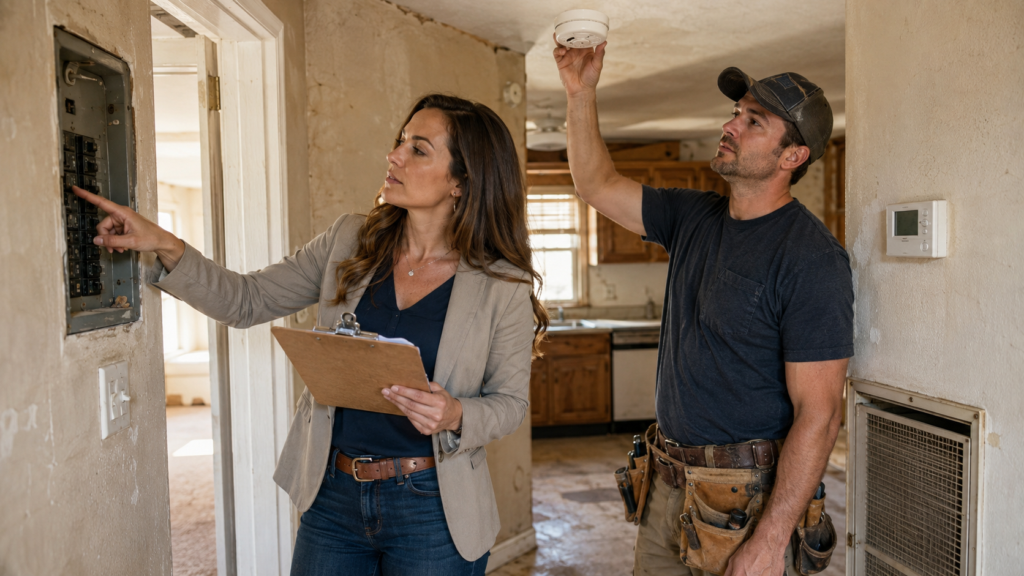
Before utilities are turned on, complete a basic safety walkthrough, especially if the property was sold as-is. Look for exposed wiring, missing electrical panels, cut copper lines, damaged gas appliances, broken water heaters, disconnected HVAC components, standing water, mold, roof leaks, and signs of vandalism.
A foreclosure inspection is often limited when utilities are off. The American Society of Home Inspectors notes that foreclosure condition is a major concern, which is why a foreclosed-property inspection plan should be part of the investor’s acquisition process.
Do Not Let Contractors Guess
If there are obvious electrical, gas, or plumbing issues, bring in licensed professionals before activation. Turning on service to a damaged system can create fire risk, gas leaks, flooding, appliance damage, or liability exposure.
Handle Electric Service Carefully
Electricity is usually the first utility investors want restored because contractors need lighting, tools, security cameras, HVAC testing, and charging access. But a disconnected foreclosure may require more than a phone call.
If the meter has been pulled, the panel is damaged, or the property has been vacant for an extended period, the utility provider or local building department may require an electrical inspection before reconnection. Budget time for that step.
What to Check Before Power Is Restored
Inspect the panel, breakers, visible wiring, outlets near water sources, exterior service lines, and any signs of overheating or tampering. Once power is restored, confirm that smoke detectors, exterior lights, sump pumps, HVAC equipment, garage doors, and security systems operate as expected.
For a vacant property, limited electricity can be useful even before rehab begins. It may support cameras, temporary lighting, dehumidifiers, sump pumps, and climate control.
Turn Water On in Stages
Water can cause major damage if the plumbing system has been neglected, frozen, stripped, or vandalized. Do not simply open the main valve and walk away.
Have someone inside the property while water is restored. Open the main valve slowly, listen for running water, and inspect bathrooms, kitchens, laundry areas, water heaters, crawl spaces, basements, exterior hose bibs, and ceilings below plumbing lines.
Protect the Property When It Is Vacant
If the home will sit vacant during permitting or rehab, consider shutting off the main water supply when workers are not present. The National Association of Insurance Commissioners notes that policies may require owners to maintain minimum heat or shut off water when a home is vacant, which makes vacant-property water protection part of both risk management and insurance compliance.
This is especially important in cold-weather markets, older homes, and properties with unknown plumbing history.
Treat Gas as a Professional-Only Utility
Gas service should be handled more cautiously than water or electricity. If gas has been shut off, do not attempt to restore it yourself. Gas utilities may need to inspect the system, relight appliances, pressure-test lines, or verify safe operation before service resumes.
Puget Sound Energy’s gas safety guidance is clear that once gas is turned off, the utility should handle restoration, system checks, and appliance relighting. That same principle should guide an investor’s gas service restart process, even if the local provider’s exact rules differ.
Check Gas Appliances Before Rehab
Inspect the furnace, water heater, range, fireplaces, gas dryers, and exposed gas lines. If appliances are old, missing, damaged, or improperly vented, build replacement or repair into the rehab scope before assuming they can be reused.
Verify Sewer, Trash, and Municipal Accounts
Utilities are not limited to power, water, and gas. Confirm whether the property has public sewer, septic, private well, municipal trash, stormwater fees, or local utility liens. Some municipalities attach unpaid utility balances to the property, while others treat them as personal obligations of the prior owner.
For investors, the key issue is not only activation. It is whether unpaid balances, code violations, or inspection requirements can delay rehab or resale.
Coordinate Utilities With Permits and Rehab
Once service is active, align utilities with your rehab schedule. Contractors may need temporary power, water for cleanup, heat for flooring installation, or climate control for paint, drywall, and moisture management.
Do not overspend on full utility usage before the project requires it. But do not undercut the project by leaving systems off so long that contractors cannot properly test, repair, or finish the property.
Want To Know What Properties Banks Are About To List?
Learn how to find deeply discounted properties. Get instant access to pre-foreclosures, REOs, and short sales updated daily!