
How to Wholesale Real Estate Deals the Right Way
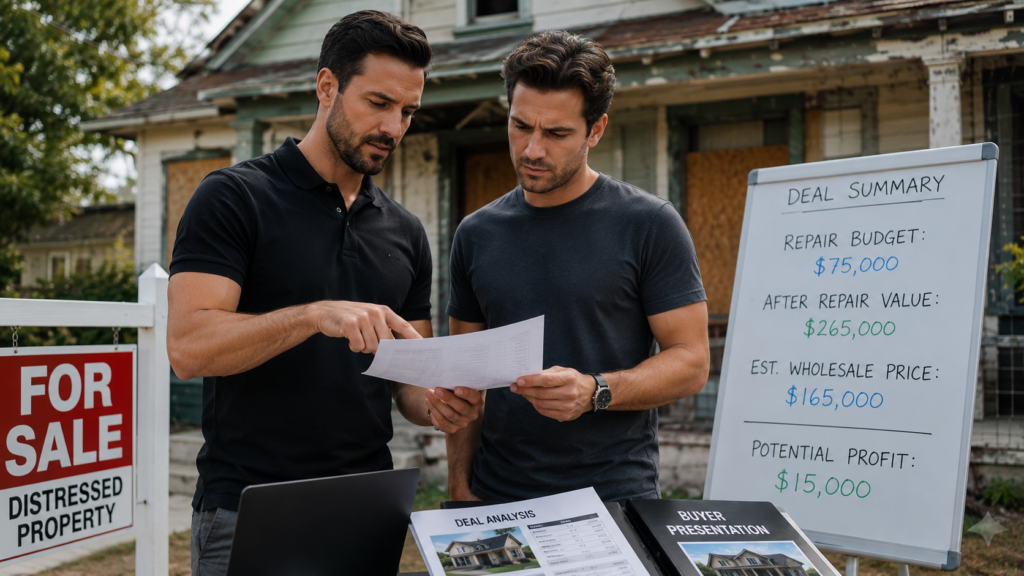
Wholesaling can be a useful real estate investing strategy, but only when the numbers are real, the communication is clear, and the deal actually makes sense for the end buyer.
The basic idea is simple: you find a property, put it under contract, and assign your contractual interest to another buyer for a fee. The execution is where many new wholesalers struggle. A weak ARV, inflated repair estimate, unclear assignment terms, or thin buyer list can turn a promising lead into a deal that never closes.
The goal is not just to “get a property under contract.” The goal is to control a real opportunity that another investor can confidently buy.
Learn the Strategies Behind Smarter Foreclosure Investing
Get practical foreclosure investing content delivered twice a week, including deal analysis tips, strategy breakdowns, useful tools, and new resources from Foreclosure Flips. Sign up to keep learning and spotting better opportunities.
Start With a Real Deal, Not Just a Low Price
A low purchase price does not automatically make a wholesale deal attractive. Your buyer still needs room for acquisition costs, repairs, holding costs, financing costs, resale costs, and profit.
Before you make an offer, estimate the after repair value, repair budget, assignment fee, and likely end-buyer margin. If those numbers do not work, the deal is not ready for a buyer.
Key Numbers to Know Before You Market the Deal
You should be able to explain the deal in plain terms:
What is the contract price?
What is the estimated ARV?
What repairs are needed?
What is the estimated repair budget?
What is your assignment fee?
What exit strategy fits the property – flip, rent out, or wholesale?
What margin remains for the buyer?
If you cannot answer those questions, you are not presenting an investment opportunity. You are passing along an address.
Understand What You Are Actually Selling
In a typical wholesale assignment, you are not selling the property itself. You are assigning your rights under a purchase agreement. That distinction matters.
The Texas Real Estate Research Center explains that assigning a real estate contract generally means transferring the buyer’s interest under the contract to another party, and the assignee becomes bound by the original contract terms.
Their explanation of real estate contract assignments reinforces why wholesalers need to understand the contract structure before marketing a deal.
Your practical takeaway is simple: know whether your contract allows assignment, know what notice or consent may be required, and understand what rights you are transferring.
Keep Disclosures Clean and State-Specific
Wholesaling rules are not identical everywhere. Some states have added disclosure, licensing, registration, or notice requirements for residential wholesaling.
For example, Oregon’s Real Estate Agency states that, with certain exceptions for licensed brokers, individuals conducting residential property wholesaling must register with the agency, and brokers who wholesale residential property must provide written disclosure.
That state-specific approach highlights a broader point: your local rules matter. Property wholesaling regulation is becoming more visible in several markets.
Do not assume that a script, contract, or method from another state applies in your market. Before you wholesale, confirm the rules with a qualified real estate attorney or other appropriate local professional.
Build the Buyer List Before You Need It
Many wholesalers wait until they have a deal under contract before thinking about buyers. That creates unnecessary pressure.
Your buyer list should be built before the deal is live. You want to know who buys flips, who buys rentals, who wants small multifamily properties, who buys vacant lots, who uses hard money, and who can close quickly.
Segment Your Buyers by Strategy
A strong buyer list is not just a spreadsheet of emails. It should be segmented by buyer type.
Some buyers want cosmetic flips. Others want heavy rehabs. Some want rentals with existing tenants. Others want vacant properties they can renovate immediately. Some want land, infill lots, or teardown opportunities.
The more specific your list is, the easier it becomes to match the right deal to the right buyer.
Stay Ahead of the Next Deal
Markets move quickly, and good foreclosure opportunities often require fast analysis. Subscribe to our twice-weekly newsletter for investor-focused tips, tools, and market insights designed to help you make better decisions.
Present the Deal Like an Investor Would Analyze It
Your deal presentation should make the buyer’s decision easier.
A good wholesale package may include property photos, contract price, assignment fee, estimated ARV, comparable sales, repair estimate, access instructions, closing timeline, title company information, and your contact details.
Avoid overselling. Do not call every deal a “slam dunk” or “no-brainer.” Experienced buyers want facts, not hype.
The Federal Trade Commission warns that real estate investment scams often rely on promises of easy money, guaranteed returns, or little effort. Their guidance on investment scams supports a more professional standard: give buyers clear details, avoid exaggerated claims, and let the numbers carry the deal.
Use Better Marketing, Not Louder Marketing
Selling a wholesale deal faster is not only about blasting it to more people. It is about giving qualified buyers the information they need to act.
Your marketing should answer the buyer’s first questions quickly:
Where is the property?
What is the asking price?
What is the estimated repair scope?
What is the ARV support?
How can the buyer inspect it?
When does the deal need to close?
What title company is handling the transaction?
Investor-focused software can help organize these pieces. If you want to test a real-estate-focused tool for deal analysis and wholesale marketing, Rehab Valuator is one option to consider.
Protect Your Reputation With Better Follow-Up
Wholesaling is a relationship business. Your reputation with buyers, sellers, agents, title companies, and lenders will affect your future deals.
If a buyer asks for photos, send them promptly. If the repair estimate changes, update the package. If the seller accepts another offer, say so. If the title company flags an issue, communicate it quickly.
A short-term assignment fee is not worth long-term credibility damage.
Wondering Where the Savviest Investors Find Their Best Deals?
Access the largest database of foreclosure properties nationwide and discover below-market deals before other investors. Start your search today!
You might also like:
 How Higher Interest Rates Affect Foreclosure Deals
 Flip Property Exit Strategies: Maximizing Profit and Minimizing Risk
 Best Cities for House Flipping: Top Locations for High ROI in 2025
 Real Estate Investor Mentorship for Portfolio Freedom
 How to Build an Accurate ARV Analysis [Free Worksheet]
 How to Calculate After Repair Value Before You Buy