
Shadow Inventory in Real Estate What Investors Should Watch
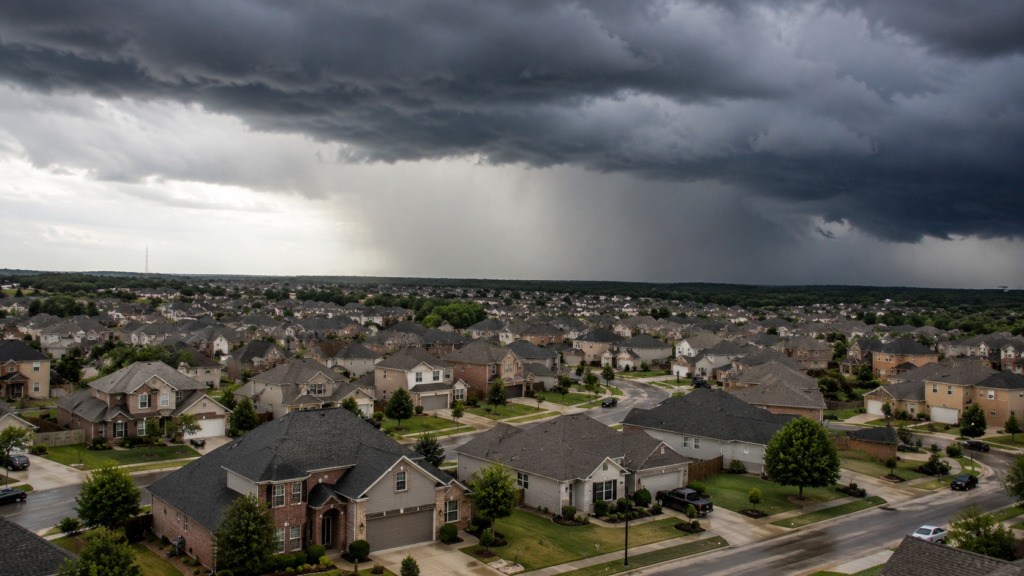
Shadow inventory real estate trends can give you an early view of future foreclosure supply before those properties become visible listings. For investors, this matters because the deals you see today may not reflect the full amount of distressed property that could reach the market later.
Shadow inventory is not always easy to measure. It may include seriously delinquent mortgages, homes in foreclosure, bank-owned properties not yet listed, or owners who are likely to sell but have not put the property on the market. If you know how to watch these signals, you can prepare for changing deal flow before other buyers react.
Stay Ahead of the Next Deal
Markets move quickly, and good foreclosure opportunities often require fast analysis. Subscribe to our twice-weekly newsletter for investor-focused tips, tools, and market insights designed to help you make better decisions.
What Is Shadow Inventory in Real Estate?
Shadow inventory refers to homes that may become available for sale but are not currently listed on the open market. In a foreclosure context, this can include properties with missed mortgage payments, homes already in the foreclosure process, or lender-owned properties being held before listing.
AmeriSave’s explanation of shadow inventory in real estate describes it as homes in foreclosure, bank-owned homes, and properties that are not yet listed but could enter the market. For investors, the useful point is that visible MLS inventory is only part of the supply picture.
Why It Matters to Investors
If shadow inventory is building in a local market, you may see more foreclosure auctions, REO listings, short sales, or motivated-seller opportunities later. If shadow inventory is shrinking, competition for distressed deals may increase because fewer properties are moving through the pipeline.
This can affect how aggressive you are with offers, how much capital you keep available, and which neighborhoods you track.
How Shadow Inventory Affects Deal Flow
Shadow inventory can turn into deal flow gradually. A borrower may first become delinquent. Then the property may move into pre-foreclosure. Later, it may reach auction, become REO, or sell through another distressed channel.
That means you should not only look at properties already listed for sale. You should also watch early-stage indicators such as mortgage delinquencies, foreclosure starts, auction calendars, REO activity, and lender-owned listings.
The Mortgage Bankers Association reported that mortgage delinquencies increased in the first quarter of 2026, and foreclosure starts also rose during the quarter. Those mortgage delinquency trends can help you understand whether future distressed inventory may be building beneath the surface.
How Shadow Inventory Can Affect Pricing
More Supply Can Pressure Prices
If a large amount of distressed inventory reaches the market at once, prices may soften in affected neighborhoods. This is especially true if the inventory is concentrated in similar property types, price ranges, or subdivisions.
For you, that can create opportunity. More supply may mean less urgency from sellers, more REO price reductions, and better negotiating leverage. But it can also reduce your resale price if you buy too early or overestimate demand.
Less Supply Can Increase Competition
If foreclosure supply remains limited, investors may bid more aggressively on the few distressed properties available. That can push auction prices higher and compress margins.
In that environment, your edge may come from earlier outreach, better due diligence, faster closing ability, or targeting overlooked properties instead of chasing crowded auction deals.
What Signals Should You Watch?
Foreclosure Starts
Foreclosure starts show new properties entering the process. They do not guarantee future investor deals, but they can signal where distress is increasing.
ATTOM’s Q1 2026 foreclosure report showed U.S. foreclosure filings up from the prior quarter and up year over year, with foreclosure starts and completed bank repossessions also rising. Those foreclosure activity trends can help you compare national movement with your local market.
Delinquency Rates
Delinquencies are earlier than foreclosure filings. A rising delinquency rate may suggest future pre-foreclosure opportunities, especially if local homeowners have limited equity, rising insurance costs, job pressure, or adjustable debt.
REO and Bank-Owned Listings
REO inventory can show what already moved through foreclosure but has not yet returned to the retail market in full force. If bank-owned listings begin increasing, you may see more value-add opportunities, but you should still underwrite repairs, title, utilities, occupancy, and code issues carefully.
How to Use Shadow Inventory in Your Strategy
Shadow inventory should not make you speculative. It should make you prepared.
If you see distress building in a local market, start organizing your capital, contractor relationships, title contacts, insurance options, and property tracking systems. You may not need to bid today, but you should know which neighborhoods, property types, and price points are likely to produce opportunity.
At the same time, avoid assuming every distressed signal will become a bargain. A property can be delinquent without having equity. A foreclosure can be delayed by bankruptcy. An REO can still be overpriced. Shadow inventory tells you where to watch, not what to buy automatically.
The Investor Takeaway
Shadow inventory real estate trends can help you anticipate future foreclosure supply before it becomes obvious in public listings. When hidden distressed inventory builds, deal flow may improve later. When it stays limited, investor competition may remain high.
Your best move is to track local delinquency trends, foreclosure starts, auction activity, and REO listings while staying disciplined on price. Shadow inventory can point you toward opportunity, but profit still depends on underwriting, timing, due diligence, and a clear exit strategy.
Looking for Deeply Discounted Properties Others Don’t Know About?
Don’t miss out on the next great investment opportunity! Search millions of foreclosure listings and get daily alerts for new properties in your target market.
You might also like:
 Pre-Foreclosure vs Foreclosure: What Investors Need to Know
 Housing Affordability Crisis and Foreclosure Investing
 Pre-Foreclosure Leads in an Affordability Crisis
 How to Negotiate a Short Sale with Lenders and Win the Deal
 Short Sale vs Foreclosure Timeline Comparison for Investors
 Top Short Sale Markets for 2026