
Posts Tagged ‘Pre-Foreclosure’
How to Buy a Bankruptcy House as an Investor
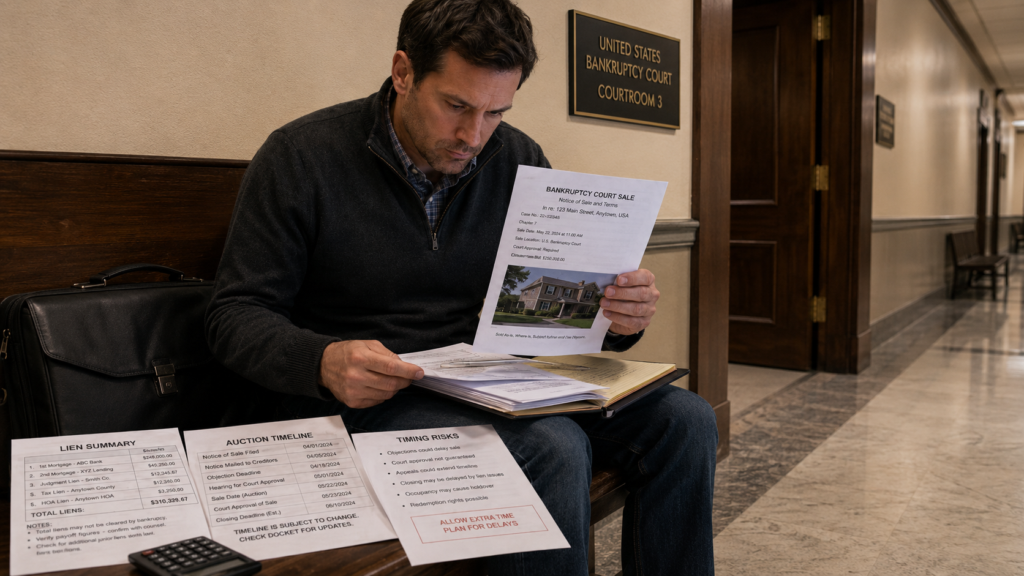
Bankruptcy house investing can create opportunities for real estate investors, but it is not the same as buying a standard foreclosure, REO property, or off-market distressed home. When a property is involved in bankruptcy, the sale may be controlled by a trustee, a debtor, a lender, the bankruptcy court, or some combination of those parties.…
Read MoreTax Delinquency vs Mortgage Foreclosure for Investors

Understanding tax delinquency vs foreclosure helps investors separate two very different types of distressed-property opportunities. A homeowner who is behind on mortgage payments is not in the same situation as an owner who has unpaid property taxes. Both can lead to investor opportunities, but the process, timeline, risks, and profit model are different. Mortgage foreclosure…
Read MoreSavannah Foreclosure Market 2026

The Savannah foreclosure market should be researched differently from Atlanta or Macon. Savannah is smaller than Atlanta, more tourism-sensitive than Macon, and more exposed to coastal insurance, flood, historic-district, and short-term rental considerations than most inland Georgia markets. That makes Savannah useful for investors, but only when the strategy is specific. A foreclosure near downtown…
Read MoreMacon Foreclosure Market 2026
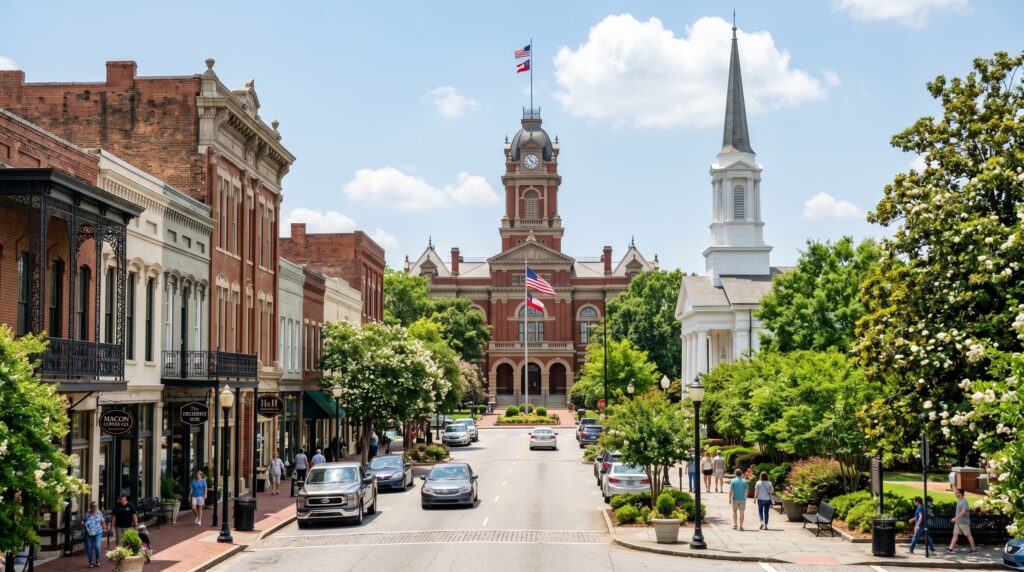
The Macon foreclosure market gives investors a very different research opportunity than Atlanta. The market is smaller, less liquid, and more neighborhood-sensitive, but it also offers lower entry prices and a wider spread between well-renovated homes and properties with deferred maintenance, title issues, tax problems, or functional obsolescence. That lower price point can be useful.…
Read MoreAtlanta Foreclosure Market 2026
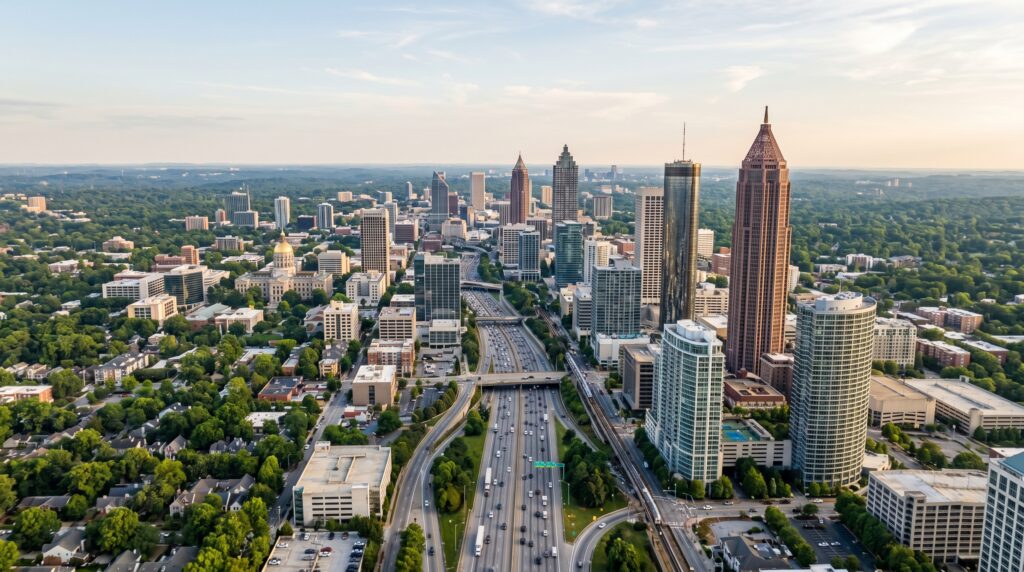
The Atlanta foreclosure market is one of the most relevant Georgia metros for investors to monitor in 2026 because it combines meaningful foreclosure-start volume, fast nonjudicial foreclosure mechanics, diverse county-level submarkets, and enough resale and rental depth to support several exit strategies. Atlanta is not a simple distressed-property market. Some areas still have strong owner-occupant…
Read MoreThe Investor Foreclosure Funnel Explained in 6 Steps
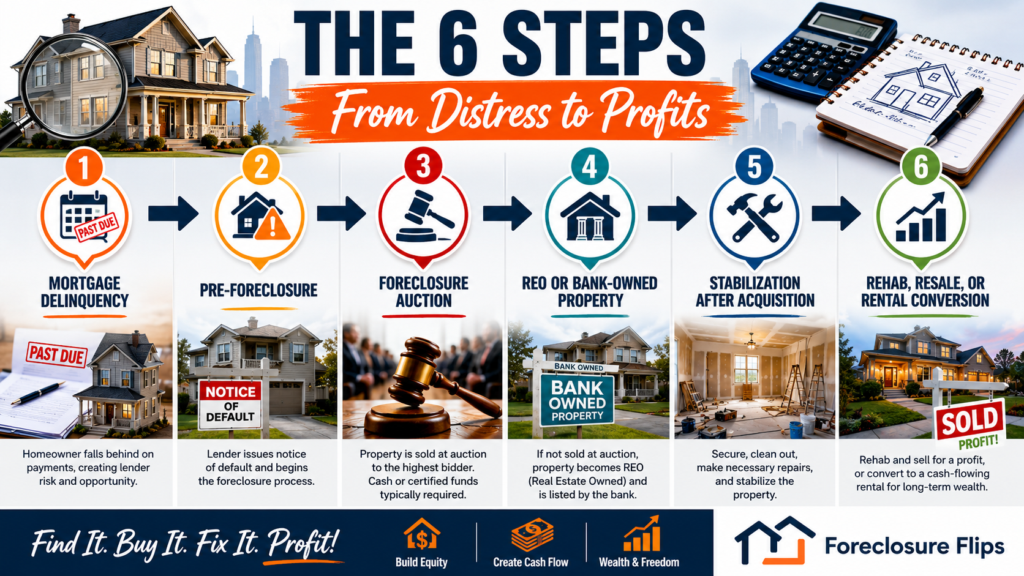
The foreclosure funnel helps you understand how a distressed property moves from early mortgage trouble to possible investor acquisition. A property does not become an auction opportunity overnight. It usually moves through a series of stages: missed payments, pre-foreclosure, public sale, REO ownership, resale, or rental conversion. For investors, the stage matters. A homeowner who…
Read MoreSacramento Foreclosure Market 2026

The Sacramento foreclosure market has a different investor profile from Los Angeles and Riverside–San Bernardino. It is not as high-basis as coastal Southern California, and it is not as sprawling or logistics-driven as the Inland Empire. Sacramento is better understood as a capital-region foreclosure market with state-government employment anchors, suburban growth corridors, relatively fast resale…
Read MoreRiverside–San Bernardino Foreclosure Market 2026

The Riverside–San Bernardino foreclosure market is one of California’s more practical metros for investors to research in 2026 because it offers something Los Angeles often does not: a broader range of entry prices, larger suburban housing inventory, and more room to evaluate foreclosure deals against rental, resale, and value-add strategies. That does not make the…
Read MoreLos Angeles Foreclosure Market 2026

The Los Angeles foreclosure market is a high-basis, high-risk, high-selectivity market. It is not a place where investors should expect easy distressed-property discounts simply because foreclosure activity is rising in California. The better investment thesis is more specific: Los Angeles can produce foreclosure opportunities when price pressure, owner distress, deferred maintenance, lender ownership, or trustee-sale…
Read More