
Posts Tagged ‘Pre-Foreclosure’
San Antonio Foreclosure Market 2026
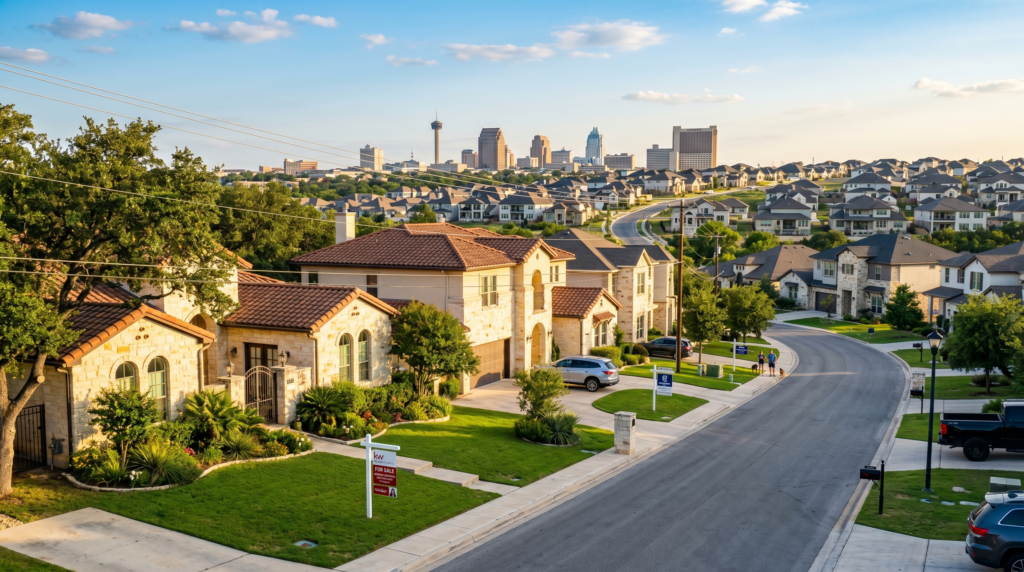
The San Antonio foreclosure market deserves investor attention in 2026 because it offers a different profile from Dallas–Fort Worth and Houston. It is generally lower priced than those larger Texas metros, has a large owner-occupant and rental base, benefits from military and healthcare employment anchors, and is showing signs of buyer leverage through price reductions…
Read MoreHouston Foreclosure Market 2026
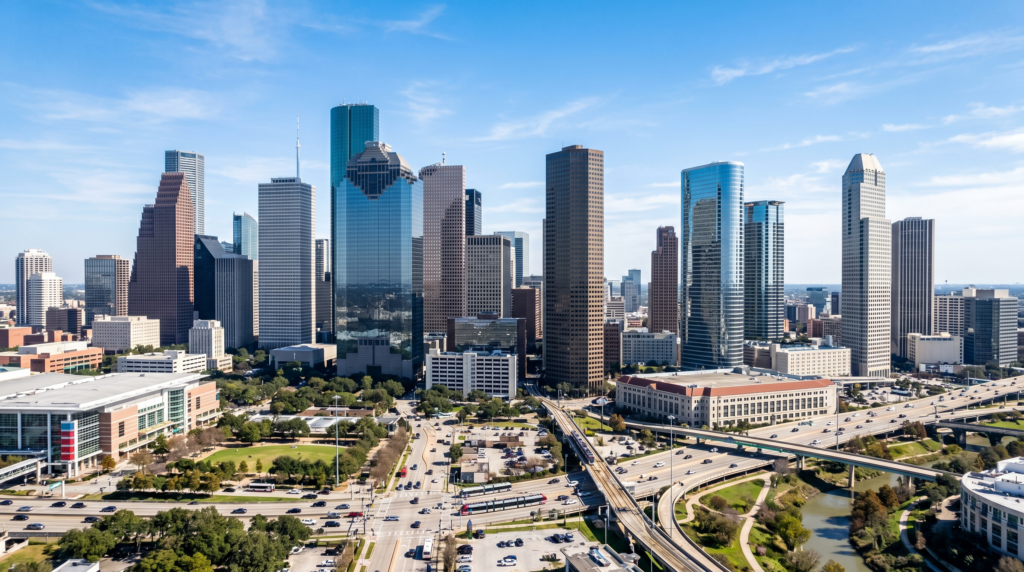
The Houston foreclosure market is one of the most important Texas metros for investors to watch in 2026 because it combines high foreclosure-start activity, a large housing inventory base, relatively moderate home prices compared with other major U.S. metros, and several distinct county-level acquisition environments. The opportunity is not simply that Houston has distressed properties.…
Read MoreDallas–Fort Worth Foreclosure Market 2026

The Dallas–Fort Worth foreclosure market deserves close investor attention in 2026 because it combines three characteristics that rarely move in perfect alignment: meaningful foreclosure-start volume, broad suburban housing supply, and enough resale liquidity to support multiple exit strategies. That does not make DFW an easy market. In Texas, the foreclosure process can move quickly, auction…
Read MoreOrlando Foreclosure Market 2026

The Orlando foreclosure market is one of the more relevant Florida metros for investors to monitor in 2026 because it combines measurable foreclosure pressure with a housing market that is no longer moving with the same urgency seen during the post-pandemic boom. That does not mean Orlando is a simple distressed-property market. The metro still…
Read MoreTampa–St. Petersburg Foreclosure Market 2026

The Tampa–St. Petersburg foreclosure market is one of the more useful Florida metros for investors to monitor in 2026, but not because it offers easy distressed-property discounts. The better thesis is that Tampa Bay combines foreclosure pipeline growth, meaningful resale liquidity, inland affordability pockets, coastal risk, and a housing market where price reductions are forcing…
Read MoreMiami–Fort Lauderdale Foreclosure Market 2026

The Miami–Fort Lauderdale foreclosure market is not a low-cost distressed-property market where investors can rely on headline foreclosure counts alone. It is a high-price, high-liquidity South Florida market where foreclosure opportunities may exist, but only when the acquisition discount is large enough to absorb insurance costs, HOA exposure, title risk, repair inflation, carrying time, and…
Read MoreOccupied Foreclosure Properties: What Investors Need to Know
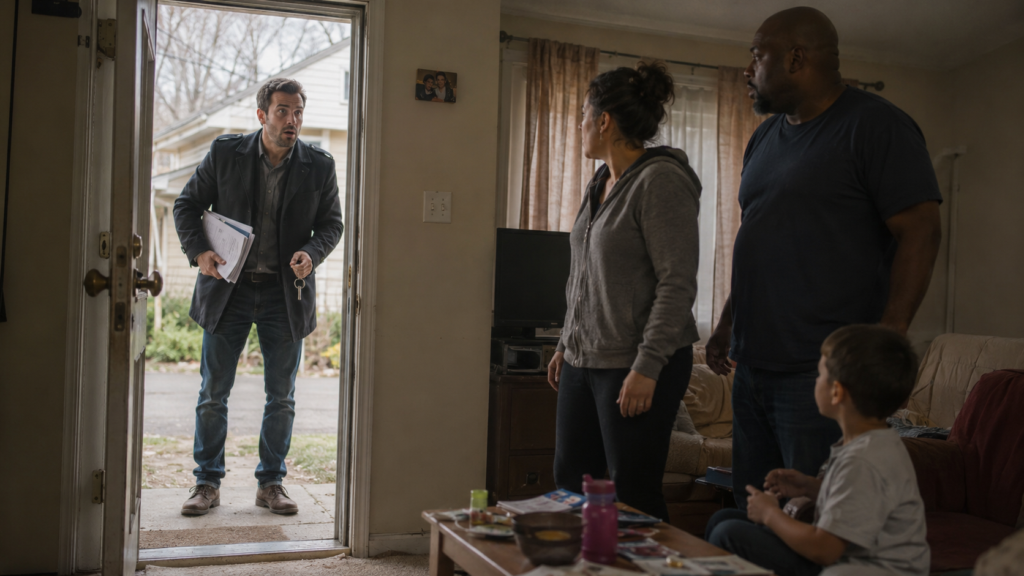
Occupied foreclosure properties can look attractive because the purchase price may be discounted. But occupancy changes the risk profile. If an owner, tenant, or unknown occupant is still inside, the deal may involve delayed possession, legal notices, eviction costs, property damage risk, and a slower rehab timeline. For investors, the key question is not only…
Read MoreTreasury Yields and Distressed Housing Deals
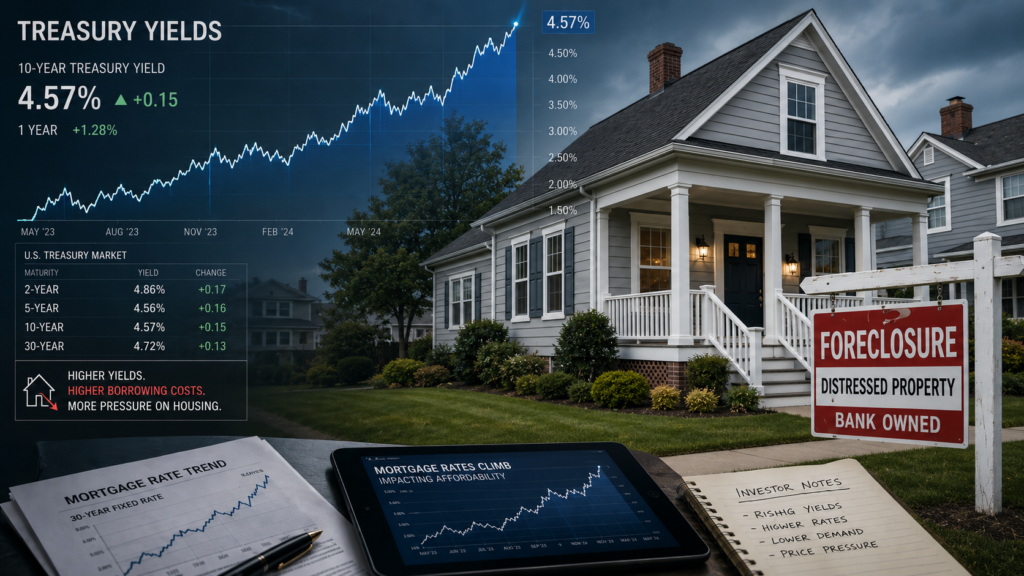
Treasury yields are not usually the first thing foreclosure investors watch. Most investors focus on local foreclosure filings, auction lists, seller equity, repair costs, resale values, and financing terms. Those items matter most at the deal level. But in 2026, Treasury yields deserve a place in the distressed housing conversation. They influence mortgage rates, investor…
Read MoreHousing Affordability Crisis and Foreclosure Investing
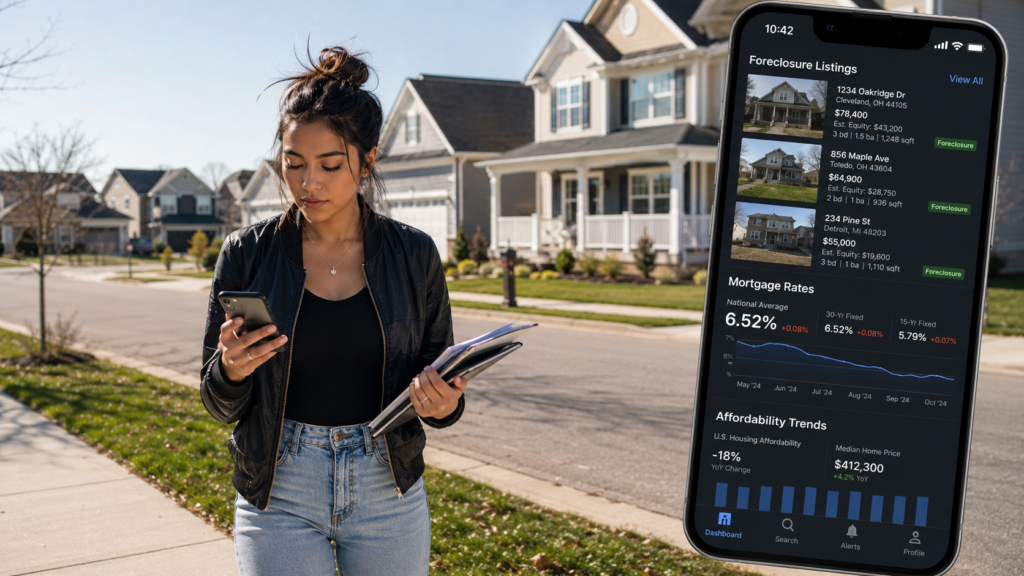
The housing affordability crisis is not just a homebuyer problem. It is also changing how foreclosure investors, pre-foreclosure investors, house flippers, BRRRR buyers, and short sale investors need to evaluate deals. When mortgage payments rise, insurance costs increase, property taxes climb, and household budgets get tighter, more homeowners can fall behind. Some may need to…
Read More