
Lease Options for Pre-Foreclosure Properties
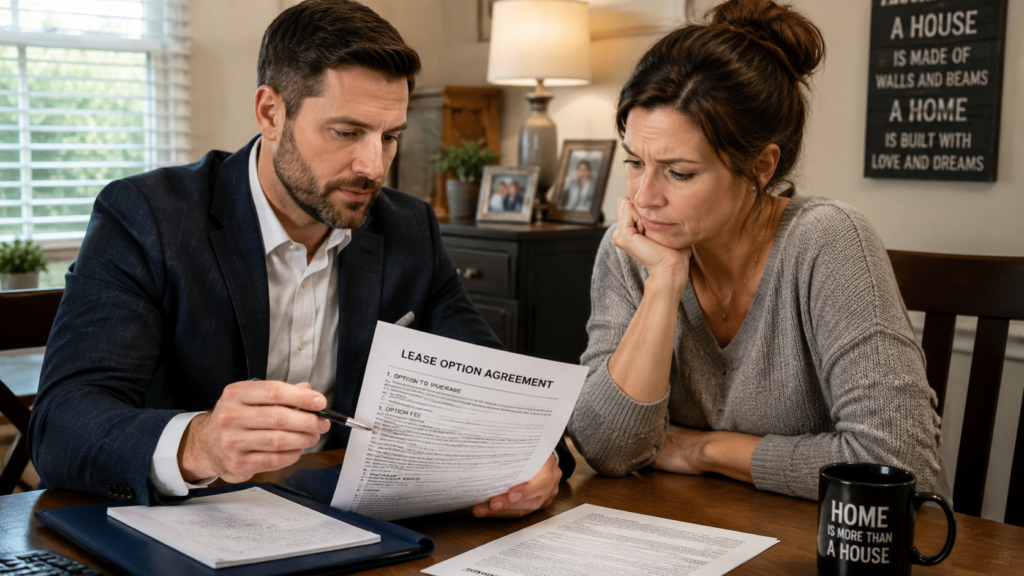
A lease option pre-foreclosure transaction can give you temporary control of a property and the right to purchase it later without requiring an immediate acquisition. The owner remains on title, you lease the property, and a separate option establishes your right—but generally not your obligation—to buy within a defined period.
That flexibility may help when you need time to arrange financing, stabilize the property, or confirm whether a rental or resale strategy is viable. It does not, however, stop foreclosure by itself.
If the mortgage remains delinquent, the lender may continue toward a sale despite your lease, option payment, repairs, or other investment in the property. The structure only works when the foreclosure problem is addressed first and the legal documents allocate risk clearly.
Build Your Investing Knowledge One Email at a Time
Foreclosure investing rewards preparation. Join our 2X week newsletter for straightforward guidance on pre-foreclosures, short sales, BRRRR, flipping, and other strategies investors use to evaluate distressed property opportunities.
When a Lease Option May Fit
A lease option is most useful when the seller’s problem involves timing rather than an impossible financial position.
The owner may have relocated and no longer wants to manage the property. You may be able to lease it, cover ongoing expenses, and exercise the option after arranging long-term financing. In another case, the property may need modest repairs before it can qualify for conventional financing or support its expected value.
The arrangement may also provide time to verify rents or complete entitlement research without purchasing immediately. But you should have a specific reason for needing the option period. “Waiting for appreciation” is not a sufficient strategy.
The transaction is more viable when the property has positive equity, the delinquency can be cured, rent supports the ongoing obligations, and the seller understands that ownership is not transferring at the beginning.
The Foreclosure Must Be Addressed Separately
Signing a lease and option does not cancel a scheduled foreclosure sale.
The seller or another authorized party must obtain a current reinstatement or payoff figure and confirm what action will stop the sale. The required amount may include missed payments, late charges, attorney fees, property inspections, escrow advances, and other servicing costs.
Mortgage servicers may offer repayment plans, modifications, short sales, or other loss-mitigation options. Those discussions remain between the borrower and servicer unless you have proper authorization.
Before paying arrears, obtain written confirmation of the amount, deadline, and effect of payment. A partial payment or verbal assurance may not stop the auction.
The Existing Mortgage Remains a Central Risk
Because the seller keeps title during the option period, the existing mortgage generally remains in the seller’s name. You may agree to make payments directly or fund an account used for that purpose, but the lender still considers the seller its borrower.
This creates mutual exposure. If the seller diverts funds or fails to cooperate with the servicer, your option may be jeopardized. If you fail to make an agreed payment, the seller’s credit and ownership remain at risk.
A third-party servicing arrangement can create a verifiable payment record. Both parties should receive statements showing when mortgage, tax, insurance, and association payments were made.
Review the Due-on-Sale Clause
Federal law protects certain transfers and leases from due-on-sale enforcement, including some leases of three years or less that do not contain a purchase option. A lease containing an option is not included in that particular statutory exemption.
That does not mean acceleration is certain. It means you should not assume the arrangement is protected.
Have counsel review the mortgage, lease term, option, occupancy, and intended use. The loan may also contain restrictions involving transfers, long-term leasing, insurance, or non-owner occupancy.
Verify That the Option Has Economic Value
The right to buy is useful only if the purchase price and title position support your exit.
Calculate the property’s current value, estimated future value, repairs, mortgage payoff, delinquent taxes, HOA claims, judgments, and closing costs. Then determine whether sufficient equity is likely to remain when you exercise the option.
A fixed purchase price gives you certainty but may become unattractive if values decline. An appraisal-based price can follow the market but may create disagreement later. Whichever method you use should be precise enough to calculate without renegotiating the entire transaction.
Option consideration also needs clear treatment. The agreement should state whether it is refundable, credited toward the purchase, retained after default, or returned when the seller cannot deliver title.
Match Control With Responsibility
A lease option can blur the line between tenant, buyer, and property operator. Your documents need to define that line.
The lease should address possession, rent, utilities, maintenance, insurance, access, alterations, subleasing, and default. The option should address the purchase price, option period, exercise method, closing deadline, title standard, credits, and conditions that terminate or extend the right.
If you plan to repair the property before buying it, establish which work is permitted and who owns the improvements if the purchase never closes. Investing heavily in a property you do not own can be dangerous when the seller later files bankruptcy, incurs another lien, dies, divorces, or refuses to close.
A recorded memorandum of option may provide notice of your interest in some jurisdictions, but recordation can also affect the mortgage and title. Use local legal advice rather than recording documents automatically.
State Foreclosure-Rescue Laws May Apply
Transactions involving financially distressed homeowners may receive greater scrutiny than ordinary leases.
Some state statutes regulate investors who obtain interests in homes near foreclosure, particularly when an arrangement includes a lease, repurchase right, continued occupancy, or promises to stop the foreclosure. Washington’s distressed-property law, for example, regulates certain lease and repurchase terms and requires specific protections in covered transactions.
Your state may use different definitions, notices, cancellation periods, disclosures, or prohibited practices. The legal classification can depend on the seller’s circumstances and the substance of the transaction, not merely the title placed on the documents.
Independent representation is particularly important. The seller should have time to consult their own attorney or housing counselor and should not be told that the lease option is the only way to avoid foreclosure.
Insurance Must Reflect the Actual Arrangement
The owner’s existing homeowners policy may no longer fit after the property becomes tenant-occupied or investor-controlled.
Confirm who will insure the structure, who is named on the policy, whether landlord coverage is required, and how your option interest and improvements are protected. The documents should also address casualty loss: whether the option continues after major damage, how insurance proceeds are applied, and whether either party can terminate.
A policy written around inaccurate occupancy information may create a serious problem when a claim occurs.
When a Lease Option Is the Wrong Structure
Avoid the strategy when the foreclosure sale is too close to complete legal and title review, the arrears cannot be cured, or debt exceeds the property’s realistic value.
It is also a poor fit when the seller cannot deliver a clear title, the mortgage terms conflict with the arrangement, insurance cannot be obtained, or your expected profit depends on major repairs to a property you do not own.
Most importantly, walk away when the transaction requires vague payment promises or the seller does not understand the continuing mortgage and ownership risks.
The Investor Takeaway
A lease option pre-foreclosure arrangement may provide useful time and control when the property has equity, the default can be resolved, and both parties need a delayed purchase.
It is not a substitute for reinstatement, lender communication, or title clearance. The seller remains the owner and mortgage borrower, while you risk option money, rent, repairs, and future profit on a property you have not yet acquired.
Use verified foreclosure figures, third-party payment tracking, appropriate insurance, state-specific documents, and separate legal advice for the parties. A properly structured lease option can bridge a temporary gap. A poorly documented one can leave both you and the seller exposed to the same foreclosure—only with more money and complexity involved.
Wondering Where the Savviest Investors Find Their Best Deals?
Access the largest database of foreclosure properties nationwide and discover below-market deals before other investors. Start your search today!
You might also like:
 Pre-Foreclosure Leads in an Affordability Crisis
 Pre-Foreclosure vs Foreclosure: What Investors Need to Know
 Distressed Seller Bankruptcy Signals Investors Should Understand
 Housing Affordability Crisis and Foreclosure Investing
 Shadow Inventory in Real Estate What Investors Should Watch
 When Creative Financing Does Not Fit a Foreclosure Deal