
How to Price Vandalism Risk in a Foreclosure Deal
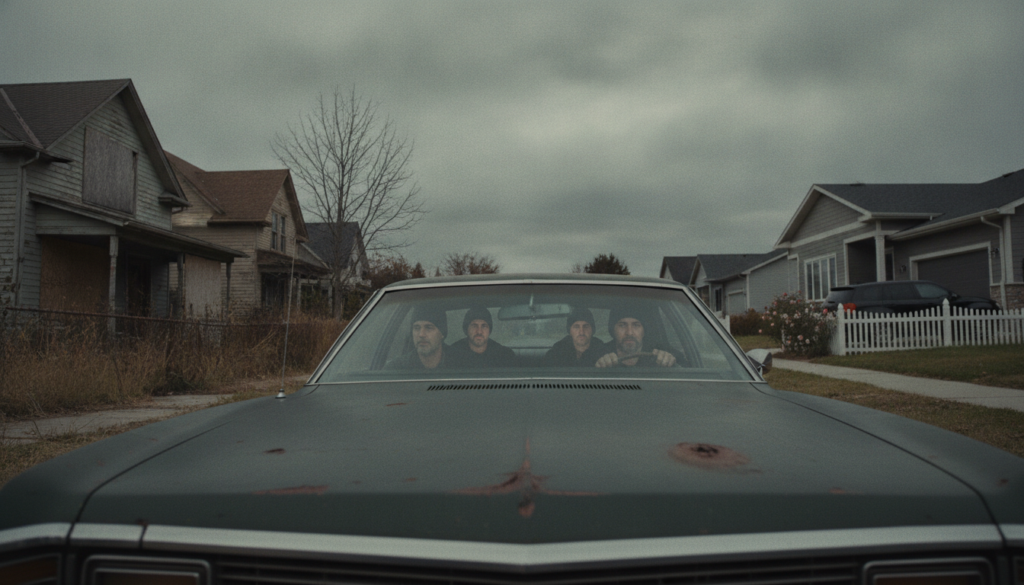
A vandalized foreclosure property can offer a substantial discount, but the visible damage is rarely the full problem. A missing air-conditioning condenser may also mean cut refrigerant lines, damaged wiring, and exposed ductwork. Stolen copper may affect plumbing, electrical service, and HVAC systems at the same time. A broken window may have allowed months of rain, pests, or unauthorized entry.
You should therefore price vandalism as a chain of related losses rather than a collection of isolated repairs.
The objective is not to predict every hidden defect. It is to develop a range that accounts for visible damage, likely secondary damage, immediate security, and the possibility that conditions worsen before you obtain legal possession.
Learn the Strategies Behind Smarter Foreclosure Investing
Get practical foreclosure investing content delivered twice a week, including deal analysis tips, strategy breakdowns, useful tools, and new resources from Foreclosure Flips. Sign up to keep learning and spotting better opportunities.
Begin With What Can Be Verified
Document the property from public areas or through authorized access. Look for broken doors, missing meters, boarded windows, open crawl-space vents, cut utility lines, stripped exterior fixtures, damaged fencing, graffiti, and absent HVAC equipment.
Interior access gives you a better estimate, but it still may not reveal everything. Recently patched drywall can conceal removed wiring. Standing water may have dried while leaving mold or subfloor damage. A missing water heater may indicate that surrounding plumbing was cut rather than disconnected properly.
Photograph each affected area and identify the system involved. Instead of writing “vandalism allowance: $15,000,” separate the estimate into building security, plumbing, electrical, HVAC, water remediation, debris removal, and finish restoration.
That structure makes it easier to obtain contractor input and prevents one broad allowance from hiding several expensive systems.
Price Theft by the Damage Left Behind
The replacement value of a stolen item is often the smallest part of the repair.
HVAC Theft
If an outdoor condenser is missing, you may need more than another condenser. The indoor air handler, evaporator coil, electrical disconnect, refrigerant lines, thermostat wiring, duct system, and equipment compatibility all need to be checked.
Older systems can create another problem. A replacement outdoor unit may not be compatible with the remaining indoor equipment or current refrigerant standards. What appears to be a partial repair can become a complete system replacement.
Your allowance should include licensed HVAC inspection, equipment, line-set repair, electrical work, permits, installation, and protection for the new equipment while the property remains vacant.
Copper and Plumbing Loss
Copper theft can leave open water lines inside walls, crawl spaces, or slabs. If the system was not shut down correctly, water may have continued flowing after the theft.
Do not price only the missing pipe. Include demolition needed to reach damaged lines, full-system pressure testing, wall and ceiling restoration, fixture reconnection, and possible water remediation.
A house with a visibly stolen section of copper may have additional cuts in areas you cannot see. A plumber should test the system before you assume the remaining lines are usable.
Electrical Damage
Electrical vandalism can include missing service panels, cut branch wiring, stolen copper conductors, removed fixtures, damaged meters, and improvised connections left by trespassers.
A missing panel does not tell you whether the circuits are intact. The utility provider or building department may also require inspection before power can be restored.
Budget for a licensed electrician to inspect the service entrance, panel, grounding, visible wiring, outlets, and affected circuits. If access is limited or the house has extensive stripped wiring, use a partial or full rewiring range rather than a small repair allowance.
Water Damage Can Multiply the Loss
Water is one of the most expensive secondary effects of vandalism. Broken supply lines, removed fixtures, damaged water heaters, open roofs, and intentionally flooded rooms can affect framing, insulation, drywall, flooring, cabinets, electrical systems, and indoor air quality.
Remote monitoring guidance for vacant properties emphasizes that a burst pipe or broken valve can cause severe damage when no occupant is present to detect it. That same principle should shape your vacant-property water risk allowance.
Look for staining, swelling, odors, soft flooring, peeling paint, rusted fasteners, and moisture around plumbing penetrations. A dry room is not proof that no water loss occurred.
If the history is unclear, include moisture testing and a contingency for opening walls or removing flooring. Do not price mold remediation from appearance alone; the affected area may extend beyond what is visible.
Security Costs Begin Immediately After Acquisition
Your repair budget should include the cost of preventing another loss. A property that has already been vandalized may remain a target because nearby individuals know it is vacant and believe valuable materials or new equipment will arrive during renovation.
HUD’s current property-preservation standards treat inspections, boarding, locks, utilities, debris removal, and other protective work as distinct property-management expenses. Investors should do the same rather than burying security inside general overhead.
Once you have legal possession, the initial security phase may include rekeying or replacing locks, repairing doors, boarding unsafe openings, exterior lighting, cameras, alarms, fencing, signage, lawn care, and scheduled property checks.
Timing matters. If contractors install a new HVAC system before the building is secure, you may be replacing the same equipment twice. In higher-risk locations, delay final appliance and condenser installation until the project is closer to completion.
Confirm Insurance Before You Rely on It
Do not assume a standard homeowners policy will cover a vacant foreclosure under renovation. Policy terms may limit coverage for vacancy, theft, vandalism, broken glass, or water damage.
The California Department of Insurance identifies vandalism, theft, and sudden accidental water damage among perils commonly covered by homeowners policies, but actual coverage depends on the policy terms and exclusions. That is why property-insurance coverage must be confirmed for the property’s real occupancy and condition.
Tell the agent that the property is vacant, distressed, previously vandalized, and scheduled for renovation. Ask whether you need vacant-property insurance, builder’s risk coverage, or a dwelling policy suited to renovation.
Also confirm deductibles and exclusions. A policy that technically covers vandalism may still have a deductible large enough to make smaller losses your responsibility.
Turn Uncertainty Into a Bid Adjustment
A useful vandalism estimate has three layers.
The first is the visible repair scope: known missing equipment, broken openings, damaged finishes, and observable system loss.
The second is the likely secondary scope: cut lines behind walls, moisture damage, permit requirements, incompatible equipment, and restoration after system repairs.
The third is the exposure reserve: additional damage discovered after utilities are activated or walls are opened, plus the possibility of another incident during the vacancy period.
For example, assume you observe a missing condenser, damaged rear door, several broken windows, cut plumbing in the basement, and signs of past water intrusion.
You might estimate:
Visible repairs: $18,000
System testing and secondary restoration: $12,000
Unknown-condition reserve: $10,000
Security and monitoring: $4,000
Insurance premium and deductible allowance: $3,500
Your risk-adjusted vandalism allowance becomes $47,500—not the $18,000 represented by the obvious missing items.
This number should be deducted from your maximum bid along with ordinary repairs, title exposure, holding costs, financing, selling expenses, and required profit.
Consider the Risk of Further Deterioration
The property’s condition may change between your inspection and possession. An auction can be postponed. Deed recording can take time. Redemption rights, bankruptcy, or occupants may delay access.
If the house is already unsecured, the vandalism estimate should reflect that time exposure. A property that will remain uncontrolled for another 60 days deserves a larger reserve than one you can secure immediately after closing.
You should also update the estimate before bidding if the property has been vacant for a long period. Compare new photographs with older listing or inspection images. Missing exterior equipment, new boarding, overgrown landscaping, or additional broken windows can show that deterioration is active.
Decide Whether the Deal Fits Your Operating Capacity
Some vandalized foreclosure properties are manageable system-replacement projects. Others require full mechanical reconstruction, environmental remediation, structural work, and ongoing security.
The purchase may still be profitable, but only if you have qualified contractors, enough liquidity, appropriate insurance, and a realistic timeline.
Be cautious when vandalism overlaps with fire damage, extensive water intrusion, structural movement, condemnation, hazardous materials, or uncertain possession. Several types of uncertainty together can exceed the protection provided by a seemingly large discount.
Looking for Deeply Discounted Properties Others Don’t Know About?
Don’t miss out on the next great investment opportunity! Search millions of foreclosure listings and get daily alerts for new properties in your target market.
You might also like:
 Foreclosure Insurance Problems Investors Should Plan For
 Fixer-Upper vs Foreclosure What Investors Should Compare
 What Happens After You Win a Foreclosure Auction
 How to Handle Utilities After Buying a Foreclosure
 Multi-Family Foreclosures How to Analyze the Deal
 As-Is Foreclosure Deals How to Price the Risk