
Pre-Foreclosures
The Investor Foreclosure Funnel Explained in 6 Steps
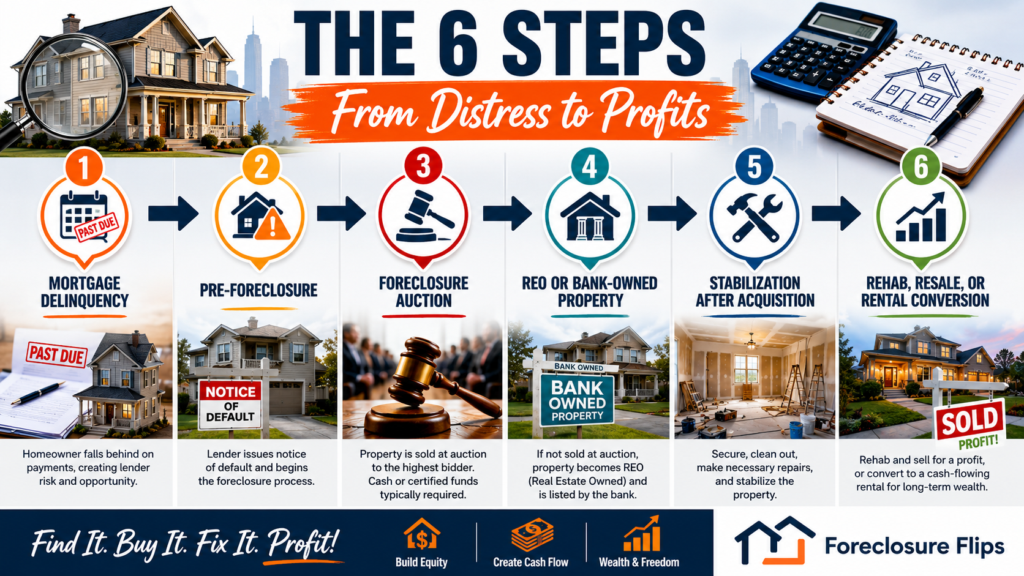
The foreclosure funnel helps you understand how a distressed property moves from early mortgage trouble to possible investor acquisition. A property does not become an auction opportunity overnight. It usually moves through a series of stages: missed payments, pre-foreclosure, public sale, REO ownership, resale, or rental conversion. For investors, the stage matters. A homeowner who…
Read MoreHow to Find More Deals From One Property Owner

Most investors look at one property, run the numbers, and decide whether to make an offer. That is a reasonable starting point, but it may also cause you to miss the bigger opportunity. Before you focus only on one address, ask a better question: what else does this owner control? One vacant lot, tired rental,…
Read MorePre-Foreclosure Leads in an Affordability Crisis

Pre-foreclosure leads can become more important when housing affordability is under pressure. When homeowners face higher monthly costs, job instability, rising insurance premiums, property tax increases, medical bills, divorce, or other financial stress, some may fall behind on mortgage payments. Not every missed payment becomes a foreclosure. Not every foreclosure notice becomes an investor opportunity.…
Read MoreHousing Affordability Crisis and Foreclosure Investing

The housing affordability crisis is not just a homebuyer problem. It is also changing how foreclosure investors, pre-foreclosure investors, house flippers, BRRRR buyers, and short sale investors need to evaluate deals. When mortgage payments rise, insurance costs increase, property taxes climb, and household budgets get tighter, more homeowners can fall behind. Some may need to…
Read MoreNotice of Default and Lis Pendens: How Investors Find Early Foreclosure Opportunities
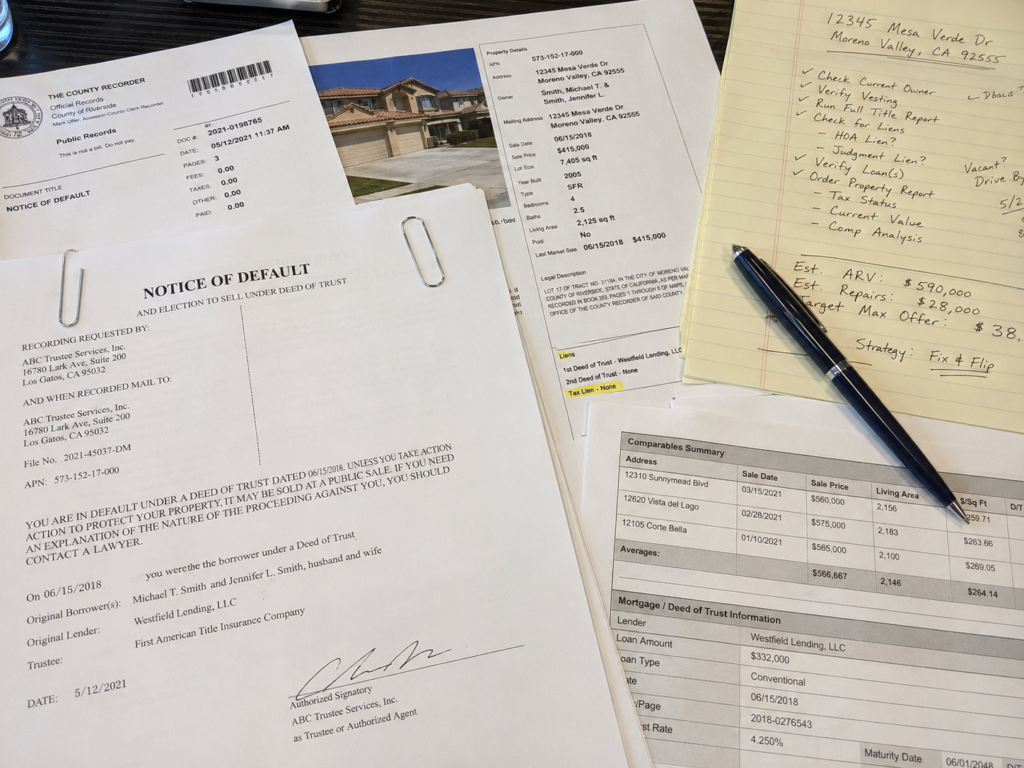
Some of the best pre-foreclosure research starts with legal documents. Two of the most important terms investors encounter are notice of default and lis pendens. These documents are not the same, but both can signal that a property may be moving toward foreclosure. Understanding these records gives investors an advantage. Instead of waiting for a…
Read MorePre-Foreclosure vs Foreclosure: What Investors Need to Know
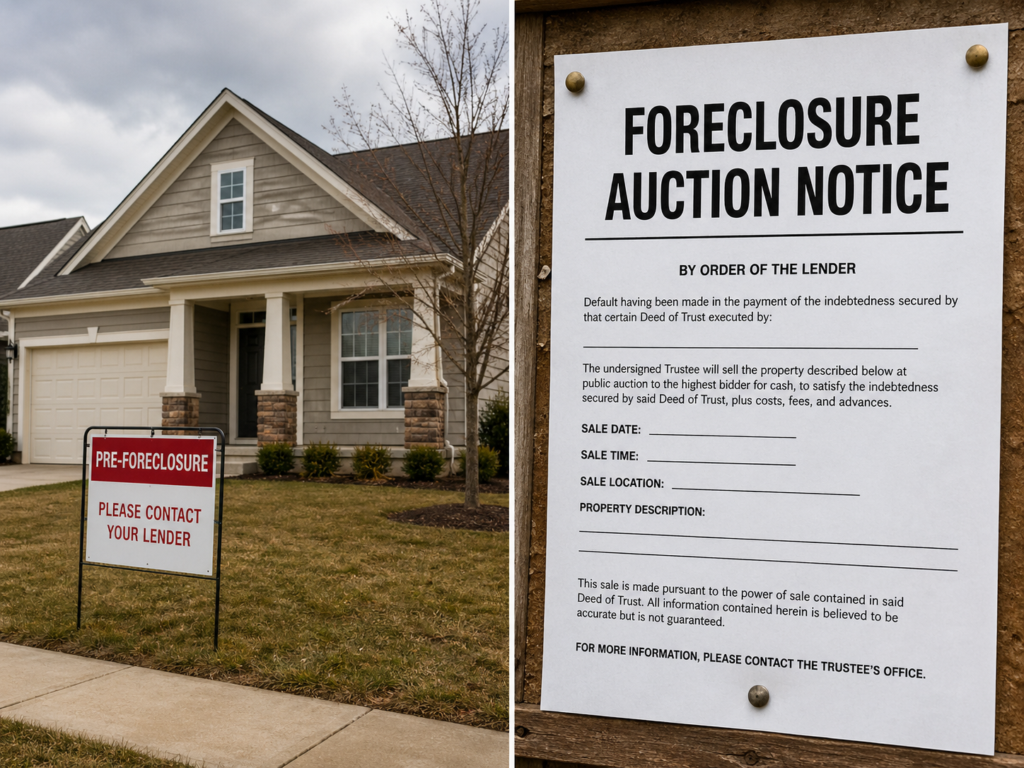
Pre-foreclosure and foreclosure are often used as if they mean the same thing. They do not. For real estate investors, the difference matters because each stage has a different owner, process, risk profile, and acquisition strategy. In pre-foreclosure, the homeowner usually still owns the property. The lender has started or may soon start foreclosure because…
Read MoreHow to Buy a Pre-Foreclosure Home: Investor Guide

Buying a pre-foreclosure home is different from buying a normal listed property and different from buying at foreclosure auction. In a pre-foreclosure transaction, the homeowner still owns the property, but the mortgage is in default or foreclosure proceedings have started. The investor is trying to purchase the property before it reaches the foreclosure sale. This…
Read MoreTop Pre-Foreclosure Markets for 2026

Pre-foreclosure investing is different from buying at auction or purchasing bank-owned properties. The opportunity begins earlier, when a homeowner has missed payments, received a notice of default, entered a lis pendens process, or is facing a foreclosure timeline but has not yet lost the property. That distinction matters in 2026. The best pre-foreclosure markets are…
Read MoreHow Pre-Foreclosure Leads Work for Real Estate Investors

Pre-foreclosure leads are often marketed as a shortcut to motivated sellers. That description is too simple. A pre-foreclosure lead is not automatically a motivated seller, and it is not automatically a good deal. It is a signal that a homeowner may be under mortgage pressure and that a property may be moving toward foreclosure. For…
Read More