
Foreclosures
The Investor Foreclosure Funnel Explained in 6 Steps
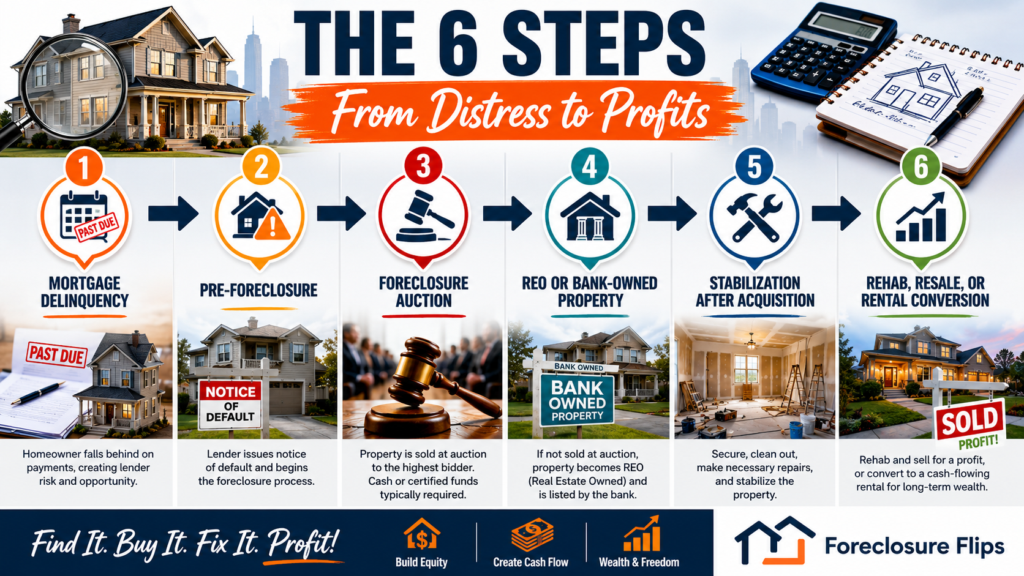
The foreclosure funnel helps you understand how a distressed property moves from early mortgage trouble to possible investor acquisition. A property does not become an auction opportunity overnight. It usually moves through a series of stages: missed payments, pre-foreclosure, public sale, REO ownership, resale, or rental conversion. For investors, the stage matters. A homeowner who…
Read MoreForeclosure Insurance Problems Investors Should Plan For

Foreclosure insurance problems can appear quickly after an investor wins a property. The home may be vacant, occupied, damaged, unsecured, or headed into renovation. A standard insurance policy may not fit any of those conditions. For investors, the key issue is timing. You need the right coverage before contractors enter the property, before utilities are…
Read MoreSacramento Foreclosure Market 2026

The Sacramento foreclosure market has a different investor profile from Los Angeles and Riverside–San Bernardino. It is not as high-basis as coastal Southern California, and it is not as sprawling or logistics-driven as the Inland Empire. Sacramento is better understood as a capital-region foreclosure market with state-government employment anchors, suburban growth corridors, relatively fast resale…
Read MoreRiverside–San Bernardino Foreclosure Market 2026
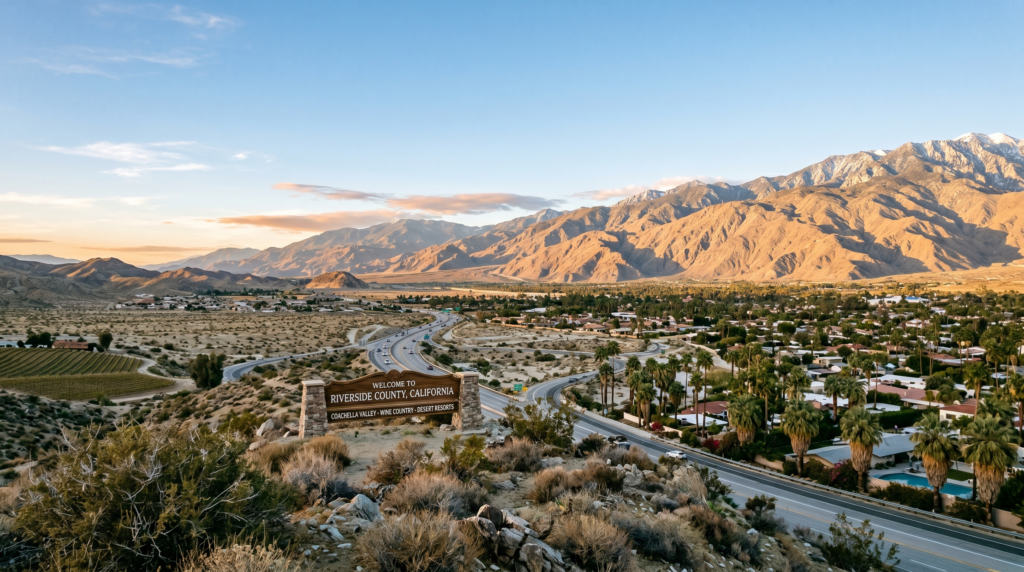
The Riverside–San Bernardino foreclosure market is one of California’s more practical metros for investors to research in 2026 because it offers something Los Angeles often does not: a broader range of entry prices, larger suburban housing inventory, and more room to evaluate foreclosure deals against rental, resale, and value-add strategies. That does not make the…
Read MoreLos Angeles Foreclosure Market 2026
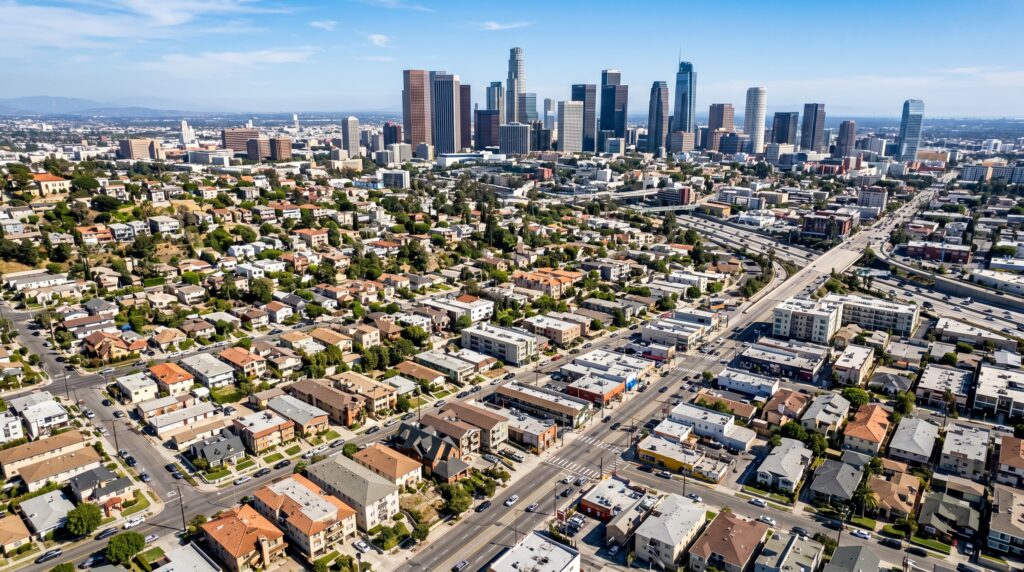
The Los Angeles foreclosure market is a high-basis, high-risk, high-selectivity market. It is not a place where investors should expect easy distressed-property discounts simply because foreclosure activity is rising in California. The better investment thesis is more specific: Los Angeles can produce foreclosure opportunities when price pressure, owner distress, deferred maintenance, lender ownership, or trustee-sale…
Read MoreSan Antonio Foreclosure Market 2026
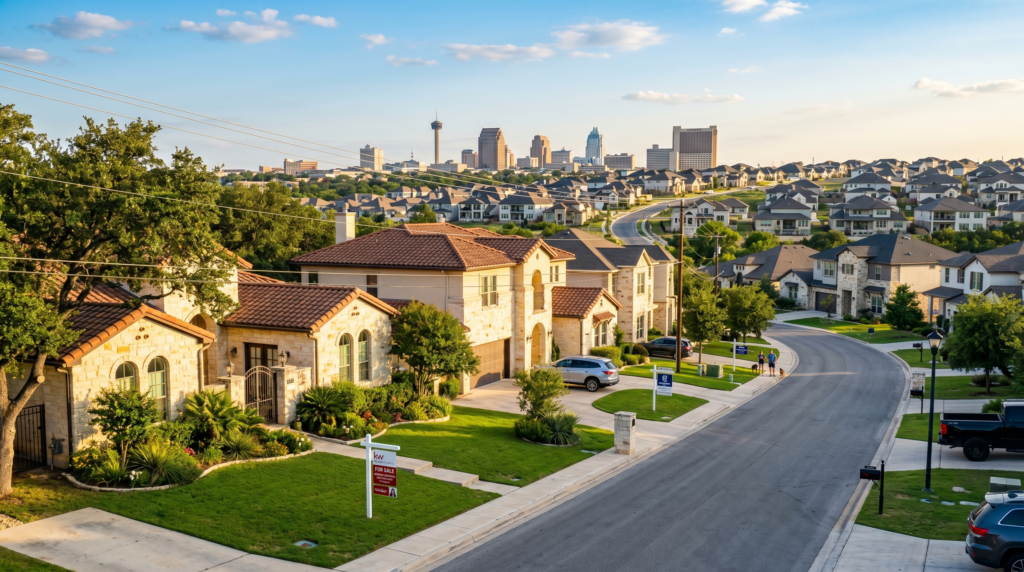
The San Antonio foreclosure market deserves investor attention in 2026 because it offers a different profile from Dallas–Fort Worth and Houston. It is generally lower priced than those larger Texas metros, has a large owner-occupant and rental base, benefits from military and healthcare employment anchors, and is showing signs of buyer leverage through price reductions…
Read MoreHouston Foreclosure Market 2026
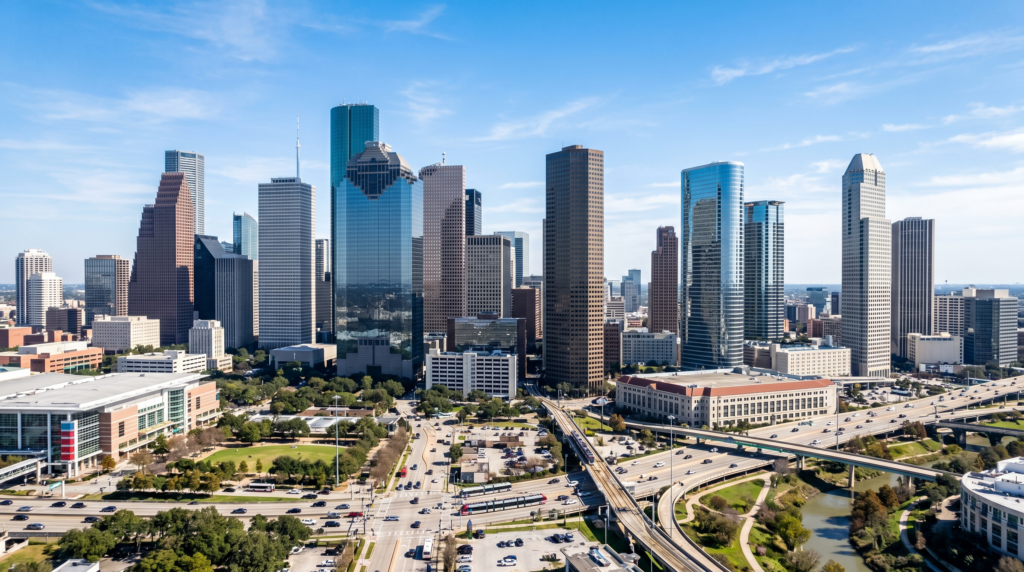
The Houston foreclosure market is one of the most important Texas metros for investors to watch in 2026 because it combines high foreclosure-start activity, a large housing inventory base, relatively moderate home prices compared with other major U.S. metros, and several distinct county-level acquisition environments. The opportunity is not simply that Houston has distressed properties.…
Read MoreDallas–Fort Worth Foreclosure Market 2026

The Dallas–Fort Worth foreclosure market deserves close investor attention in 2026 because it combines three characteristics that rarely move in perfect alignment: meaningful foreclosure-start volume, broad suburban housing supply, and enough resale liquidity to support multiple exit strategies. That does not make DFW an easy market. In Texas, the foreclosure process can move quickly, auction…
Read MoreHow to Handle Utilities After Buying a Foreclosure
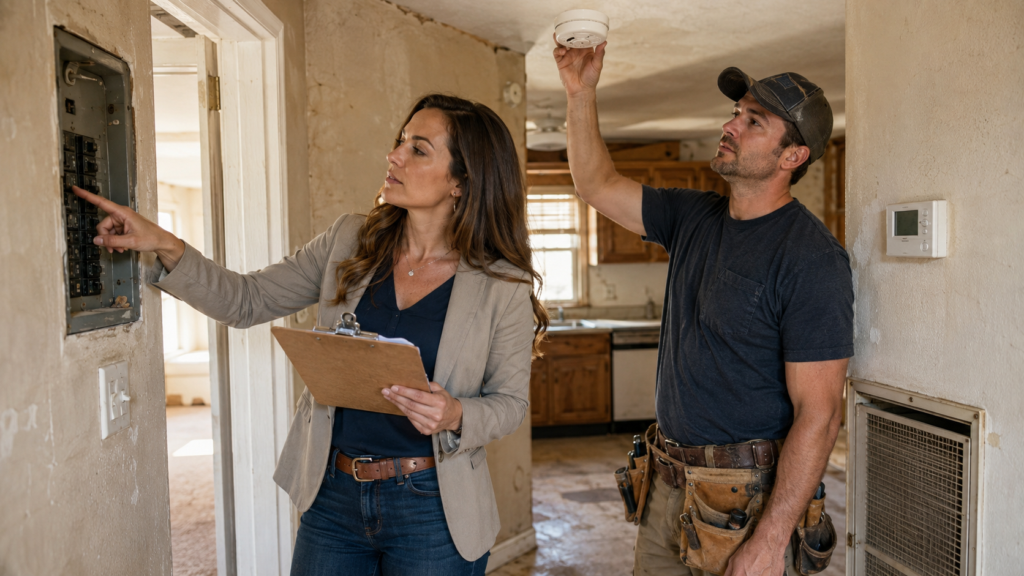
Handling utilities after buying a foreclosure is one of the first operational steps investors need to get right. Power, water, gas, sewer, trash service, and utility permits can all affect safety, inspection access, rehab planning, insurance, and holding costs. A foreclosure purchase is often sold as-is. The property may be vacant, winterized, damaged, occupied, vandalized,…
Read More