
How Code Violations Affect Foreclosure Deals
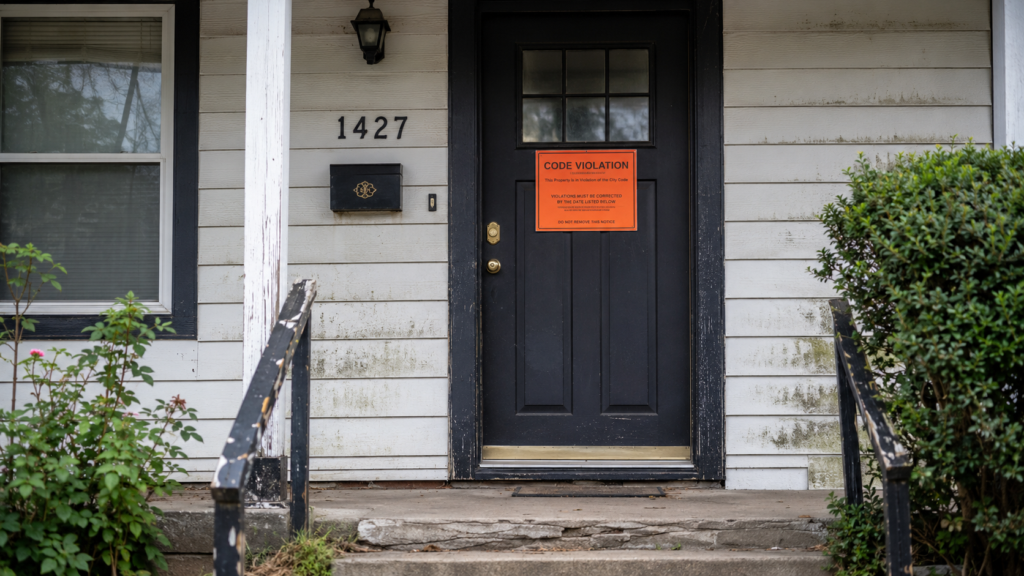
Foreclosure code violations can turn a promising distressed property into a much more expensive project. A low auction price may look attractive, but unresolved municipal liens, unsafe structure notices, open permits, unpermitted work, and code enforcement fines can quickly damage the economics of the deal.
For investors, code issues are not just paperwork. They affect title, access, financing, insurance, rehab scope, resale timing, and final profit.
Build Your Investing Knowledge One Email at a Time
Foreclosure investing rewards preparation. Join our 2X week newsletter for straightforward guidance on pre-foreclosures, short sales, BRRRR, flipping, and other strategies investors use to evaluate distressed property opportunities.
What Is a Code Violation?
A code violation occurs when a property fails to meet local building, safety, maintenance, zoning, or habitability requirements.
For foreclosure investors, this can include visible issues such as broken windows, unsafe stairs, overgrown lots, trash, or damaged roofing. It can also include less obvious problems, such as unpermitted electrical work, expired permits, illegal additions, or failure to register a vacant property.
The important point is that code violations usually become the new owner’s problem after purchase. Even if the violation started before the foreclosure sale, the investor may need to correct the issue, pay fines, close permits, or negotiate with the local code enforcement office before the property can be rehabbed, rented, refinanced, or resold.
Why Code Violations Matter in Foreclosure Investing
Foreclosure properties are often neglected before sale. The prior owner may have deferred maintenance, started work without permits, ignored municipal notices, or abandoned the property while violations accumulated.
Common foreclosure code violations may involve:
- Roof damage
- Broken windows or doors
- Overgrown landscaping
- Unsafe electrical or plumbing systems
- Unpermitted additions
- Vacant-property registration issues
- Trash, debris, or pest problems
- Structural safety concerns
Local governments use building and property maintenance codes to protect public health and safety. Many communities rely on model code frameworks from the International Code Council, which is why code compliance should be treated as a core due diligence item rather than a cosmetic concern.
Municipal Liens Can Reduce Profit
Fines May Keep Running
A code violation can lead to daily fines, administrative fees, abatement charges, mowing charges, board-up charges, demolition costs, or municipal liens. In some cases, the city or county may have already spent money correcting a nuisance condition and then assessed the cost against the property.
That matters because the foreclosure sale does not always eliminate every municipal claim. Depending on state law, local ordinance, lien priority, and sale type, some charges may survive or need to be resolved before resale.
The Winning Bid Is Not Always the Real Price
If you bid $120,000 but later discover $18,000 in municipal liens, your actual acquisition basis may be much higher. If there are also unpaid utilities, permit issues, and required safety repairs, the deal can lose its margin quickly.
Before bidding, search local records for code cases, liens, special assessments, and enforcement activity. Some cities make this searchable online. For example, the City of Miami provides a public lien or violation search for buyers checking whether liens or violations exist on a property.
Unsafe Structures Can Delay Rehab
You May Not Be Able to Start Work Immediately
If the property has been declared unsafe, condemned, or unfit for occupancy, you may need municipal approval before beginning normal rehab work. The city may require an engineer’s report, structural repairs, electrical inspection, plumbing inspection, asbestos review, demolition permit, or formal correction plan.
This can change your timeline substantially. Instead of starting cosmetic work after closing, you may need several weeks of inspections, permit applications, contractor revisions, and city approvals.
Safety Issues Change the Contractor Budget
An unsafe structure notice can also change who can work on the property. A handyman may not be appropriate if the work requires licensed trades, stamped plans, or municipal inspections. Investors should assume that serious code violations require a larger contingency than ordinary deferred maintenance.
If your pre-bid estimate only included visible repairs, you may be underestimating the real scope. Code-driven repairs often include items buyers do not see, such as service panels, joists, stair railings, fire separation, egress windows, sewer lines, or roof structure.
Open Permits Can Complicate Resale
Unfinished Work Becomes Your Problem
Open permits are another major issue in foreclosure deals. A prior owner may have started a renovation, failed inspection, changed contractors, or abandoned the project before final approval. Once you buy the property, you may need to close out those permits before resale or refinancing.
That can require hiring a licensed contractor to inspect old work, expose concealed construction, correct deficiencies, and schedule final inspections. If work was done poorly, closing the permit may cost more than starting over.
Title Insurance May Not Solve Everything
Investors sometimes assume title insurance will catch every issue, but title coverage has limits. First American’s explanation of what title insurance does not cover reinforces why investors should understand policy exclusions and unresolved property conditions before relying on title coverage alone.
That is why code and permit searches should be separate from the title review. A clean title commitment does not always mean the property is free from open permits, building violations, or local enforcement problems.
How Investors Should Underwrite Code Risk
Build Code Research Into Due Diligence
Before bidding on a foreclosure, check the property through the local building department, code enforcement office, permit portal, tax collector, municipal lien search, and clerk or recorder records. If the property is in an HOA, check association violations as well.
Focus on four questions:
- Are there active code violations?
- Are there recorded municipal liens or unpaid assessments?
- Are there open or expired permits?
- Has the property been tagged unsafe, condemned, or subject to demolition activity?
Adjust the Maximum Bid
If any answer is unclear, reduce your bid. A foreclosure with unresolved code risk should not be priced like a clean, vacant, permit-ready property.
Add line items for lien payoff, permit closure, licensed trades, engineer reports, reinspection fees, legal help, holding costs, and resale delay. Then add a contingency because code cases rarely resolve exactly as planned.
Want To Know What Properties Banks Are About To List?
Learn how to find deeply discounted properties. Get instant access to pre-foreclosures, REOs, and short sales updated daily!
You might also like:
 Buying REO Properties: Essential Guide for Investors
 Title Search for Foreclosure Properties: Investor Essentials
 How Higher Interest Rates Affect Foreclosure Deals
 How to Analyze a Multifamily Foreclosure Deal
 Judicial vs Non-Judicial Foreclosure for Investors
 Foreclosure Insurance Problems Investors Should Plan For