
Occupied Foreclosure Properties: What Investors Need to Know
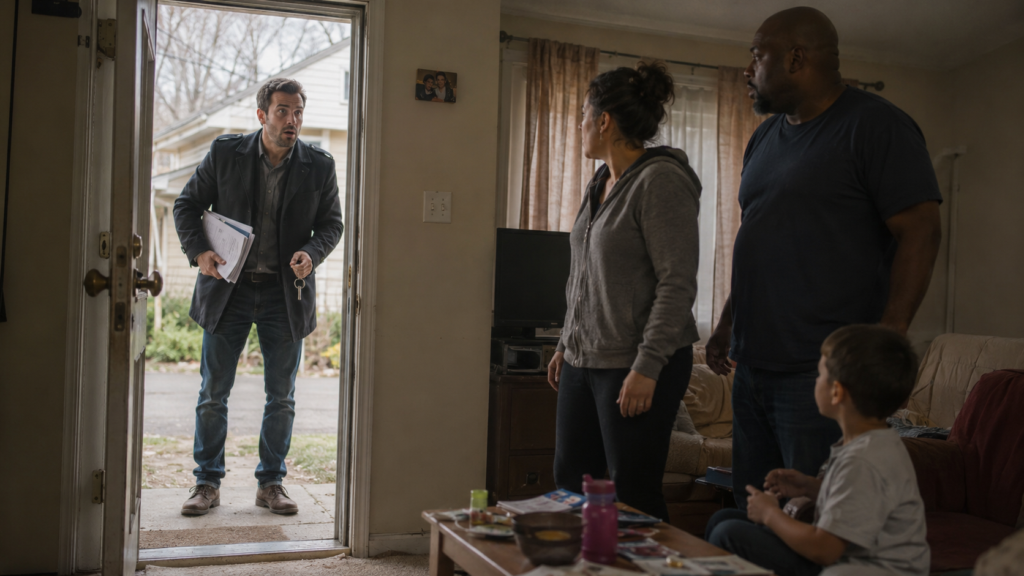
Occupied foreclosure properties can look attractive because the purchase price may be discounted. But occupancy changes the risk profile.
If an owner, tenant, or unknown occupant is still inside, the deal may involve delayed possession, legal notices, eviction costs, property damage risk, and a slower rehab timeline.
For investors, the key question is not only “What is the property worth?” It is also “When can I legally control it?”
Get Foreclosure Investing Insights Twice a Week
Subscribe to the Foreclosure Flips newsletter for practical ideas on finding deals, analyzing opportunities, and understanding foreclosure-related investing strategies. We send concise updates twice a week so you can stay informed without adding more noise to your inbox.
Why Occupancy Changes the Deal
An occupied foreclosure is not the same as a vacant distressed property. You may not be able to inspect the interior, confirm the repair scope, transfer utilities, secure the property, or begin renovation immediately.
That uncertainty affects your maximum bid. If you assume quick possession but later face a 60- to 120-day delay, your holding costs can increase quickly. Loan interest, taxes, insurance, utilities, code compliance, lawn care, and legal fees all reduce profit before the rehab begins.
Owners, Tenants, and Unknown Occupants Are Different
The person inside the property matters. A former owner may require one legal process. A bona fide tenant may have different protections. An unauthorized occupant may create a separate possession issue.
Federal tenant protections can also apply after foreclosure. The National Housing Law Project’s summary of tenant protections after foreclosure explains that the Protecting Tenants at Foreclosure Act generally gives covered tenants important notice rights after foreclosure, including broad coverage across residential property types.
Legal Risk Can Delay Possession
Do Not Use Self-Help Eviction
After buying an occupied foreclosure, do not change locks, shut off utilities, remove belongings, threaten occupants, or force entry without proper legal authority. Self-help eviction can create liability and delay the project further.
The safer path is to confirm local rules with an attorney, title company, or experienced eviction professional before taking action. Depending on the state, you may need a notice to vacate, writ of possession, eviction filing, tenant notice, or court order.
Tenant Bankruptcy Can Slow the Timeline
Occupied foreclosure properties can become more complicated if a tenant or occupant files bankruptcy. PropertyOnion’s discussion of occupied auction properties notes that bankruptcy filings can stall eviction activity and create additional costs for foreclosure and tax deed buyers.
This does not mean you should avoid every occupied property. It means your numbers should include a delay allowance.
Financial Risks Investors Should Underwrite
Holding Costs
Every month without possession costs money. Include loan interest, taxes, insurance, utilities, legal fees, HOA dues, property preservation, and lost resale or rental income.
Repair Uncertainty
If you cannot inspect the interior, your repair estimate is incomplete. Occupied foreclosure properties may have hidden plumbing leaks, electrical problems, deferred maintenance, damaged flooring, missing appliances, or unpermitted work.
Exit Delay
A flip depends on speed. A rental depends on lease-up timing. A wholesale or resale strategy depends on clean possession and marketable title. Occupancy can slow all three.
Cash for Keys May Be an Option
In some cases, investors negotiate a voluntary move-out agreement instead of immediately pursuing eviction. A properly documented cash-for-keys agreement can sometimes reduce delay, legal expense, and property damage risk compared with a contested eviction.
This should be handled carefully. Put the agreement in writing, confirm who has authority to sign, require vacancy and property condition terms, and do not pay the full amount until the occupant has moved out and surrendered keys.
The Investor Takeaway
Occupied foreclosure properties can still be profitable, but they require conservative underwriting. Before bidding, identify who occupies the property, estimate the legal possession timeline, budget for delay, and reduce your bid to reflect uncertainty.
The mistake is not buying an occupied foreclosure. The mistake is pricing it like a vacant property you can rehab tomorrow.
Wondering Where the Savviest Investors Find Their Best Deals?
Access the largest database of foreclosure properties nationwide and discover below-market deals before other investors. Start your search today!
You might also like:
 Foreclosure Investing: How to Buy, Analyze, and Profit From Foreclosed Homes
 Housing Affordability Crisis and Foreclosure Investing
 Treasury Yields and Distressed Housing Deals
 How to Analyze a Multifamily Foreclosure Deal
 Judicial vs Non-Judicial Foreclosure for Investors
 What Happens After You Win a Foreclosure Auction