
BRRRR Method Pros and Cons for Real Estate Investors
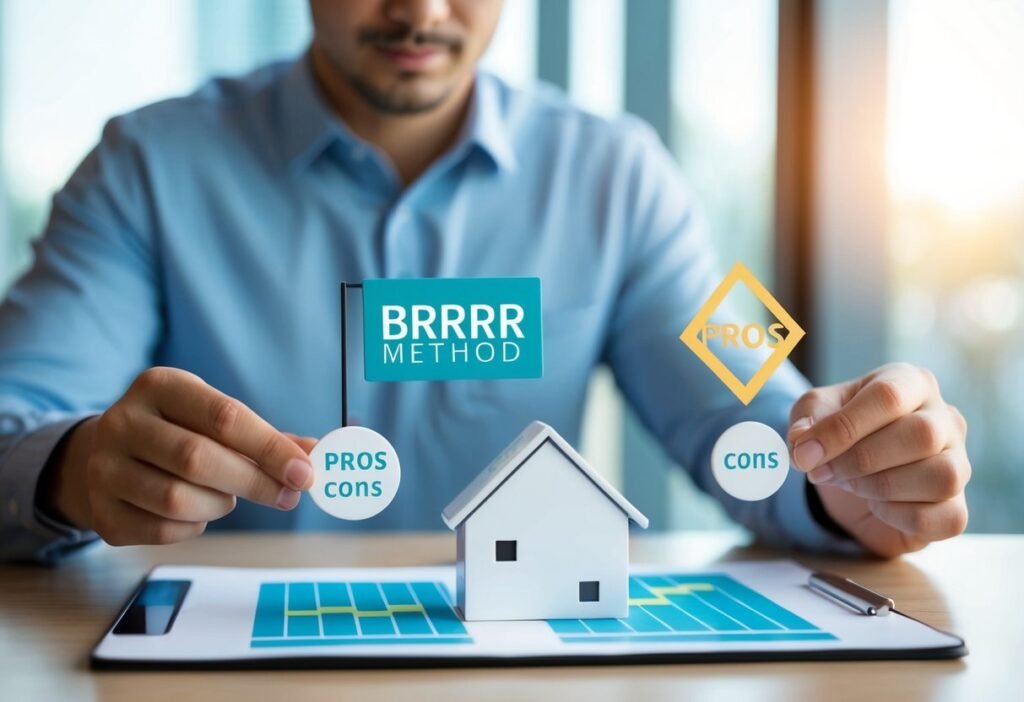
If you’re considering ways to expand your rental property portfolio, the BRRRR method—Buy, Rehab, Rent, Refinance, Repeat—offers a structured approach that many investors use to scale up efficiently. Knowing the pros and cons of the BRRRR method helps you avoid costly mistakes and maximize your returns. This investment strategy promises rapid portfolio growth, but it’s not without its risks, especially if you’re not prepared for the challenges that can arise at each step.
Whether you’re new to real estate or looking to refine your investing process, understanding how the BRRRR method actually works in today’s market is crucial. By weighing both the benefits and potential drawbacks, you can decide if this approach aligns with your financial goals and risk tolerance.
Key Takeaways
- The BRRRR method offers a framework for rapidly growing your rental portfolio.
- Weighing pros and cons helps you decide if BRRRR is right for your strategy.
- Understanding common questions lets you move forward with more confidence.
Learn the Strategies Behind Smarter Foreclosure Investing
Get practical foreclosure investing content delivered twice a week, including deal analysis tips, strategy breakdowns, useful tools, and new resources from Foreclosure Flips. Sign up to keep learning and spotting better opportunities.
Understanding the BRRRR Method
The BRRRR method is a real estate investing approach that allows you to build a portfolio of rental properties using a combination of strategic property purchase, renovation, and refinancing. This method aims to maximize leverage and expand your holdings with less initial capital.
How Buy, Rehab, Rent, Refinance, Repeat Works
The BRRRR method stands for Buy, Rehab, Rent, Refinance, Repeat. You begin by purchasing a distressed property below market value, often one that needs significant repairs or updating.
After acquisition, you rehab the property by making necessary repairs and improvements, which not only increases its value but also its rental appeal. Once renovations are complete, you rent the property out to generate steady income and demonstrate market demand to lenders.
Key Steps in the BRRRR Strategy
The BRRRR method involves several critical steps. First, you need to identify and buy an investment property, usually focusing on distressed properties that are undervalued but have strong after-repair value (ARV) potential.
The rehab stage requires you to accurately estimate renovation costs and manage contractors or projects efficiently. This includes cosmetic updates and sometimes significant structural repairs. After renovations, renting the property to reliable tenants is crucial, as your rental income must cover mortgage and operational expenses.
Typical Properties Used in the BRRRR Model
BRRRR investors usually target distressed properties, such as bank-owned homes, properties in foreclosure, or those needing substantial renovation. These properties are often available at below-market prices, which is essential for the model’s success.
Most often, you’ll see single-family homes and small multifamily units used in BRRRR deals. Location matters; properties should be in areas with strong rental demand to ensure high occupancy.
Properties requiring only cosmetic updates are often easier to manage but may leave less room for value creation. In contrast, properties with more extensive repair needs offer greater potential upside but come with higher risks and more complex project management.
Pros and Cons of the BRRRR Method
The BRRRR method offers a structured approach to real estate investing by combining buying, rehabbing, renting, refinancing, and repeating. Understanding the primary opportunities and common risks will help you make informed decisions about this investment strategy.
Advantages: Building Equity and Portfolio Growth
The BRRRR method lets you build equity quickly. You purchase distressed or undervalued properties, renovate them to boost the property value, and then refinance based on the new market value. This can allow you to pull some or all of your initial investment back out.
With strategic refinancing, you’re able to scale your real estate portfolio faster than with traditional buy-and-hold investments. Each completed cycle frees up capital for your next investment, creating a pathway to owning multiple properties without continuously deploying new cash.
Since you are rehabbing properties, you’re often able to force appreciation—raising the property’s market value and increasing your long-term net worth. Property improvements can also result in higher rent, further boosting the cash-on-cash return.
Potential Challenges and Financial Risks
While the BRRRR strategy can produce substantial gains, it requires careful planning and execution to avoid costly mistakes. Estimating rehab expenses can be difficult, and costs may exceed your budget. If you overestimate the after-repair value or underestimate renovation costs, your potential equity and profit may be reduced or eliminated.
Refinancing comes with uncertainty. Lenders may not offer the amount or terms you expect, especially if the final appraised value is lower than projected. You could also face higher interest rates or additional fees impacting your cash flow.
Real estate market shifts—such as drops in home values or tighter lending standards—could make it difficult or impossible to refinance as planned. Without a solid lease agreement or reliable tenants, you might struggle with vacancy or rent collection, further affecting your financial outcome.
Cash Flow and Rental Income Considerations
Steady rental income is essential for the BRRRR method to succeed. After rehab, a properly managed property can yield ongoing passive income. Your cash flow depends on factors like market rents, property management quality, and your loan terms after refinancing.
In many cases, a well-executed project results in positive cash flow and covers the new mortgage payment, insurance, property taxes, and ongoing maintenance. However, overleveraging, unexpected vacancies, or inflated expenses can put your cash flow at risk.
Pay close attention to local market trends. Setting accurate rent levels and maintaining strong tenant relationships can help you maximize rental income and minimize vacancies. Professional property management may improve your results, though it adds to your costs.
Long-Term Wealth and Tax Benefits
BRRRR investing can support long-term wealth building by offering capital appreciation and ongoing equity growth. As your properties increase in market value, so does your overall real estate portfolio, potentially leading to significant net worth gains over time.
There are also tax advantages. Mortgage interest, depreciation, property taxes, and many rehab expenses can be deductible, which lowers your taxable income. Over time, these deductions can improve your overall returns.
Consulting with a financial advisor or tax professional is wise to ensure you’re maximizing tax benefits and complying with regulations. Long-term holding strategies may also let you take advantage of lower capital gains tax rates when you eventually sell, depending on your holding period and other factors.
Frequently Asked Questions
Understanding the BRRRR method involves weighing risk, cash flow, ease of use for beginners, property valuation rules, and tax considerations. Different factors can influence your results, including financing options and market conditions.
What are the potential risks associated with the BRRRR method?
How does the BRRRR strategy impact cash flow for real estate investors?
BRRRR can improve cash flow over time if you can successfully refinance and lower your mortgage payments. However, you may experience negative cash flow during the rehab phase since the property may not be rented out. It’s critical to budget for these gaps and plan for delays that can affect rental income.
What are the advantages of using the BRRRR method over traditional property investment methods?
Can the BRRRR method be effectively implemented by novice investors?
While beginners can use BRRRR, the process does require a solid understanding of real estate, construction, and financing. Novices must be cautious about underestimating rehab costs or overestimating final property values. Starting with smaller projects and working with experienced professionals can lower your risks.
How does the 70% rule apply to the BRRRR investment strategy?
The 70% rule states you shouldn’t pay more than 70% of a property’s after-repair value (ARV) minus the repair costs. This helps you avoid overpaying and builds in a margin for profit. Sticking to this rule is important with BRRRR, since unexpected expenses can quickly erode your potential returns.
What are the tax implications when using the BRRRR method?
You may defer capital gains taxes by continually refinancing and reinvesting your equity, rather than selling properties. However, rental income and depreciation recapture still apply. It’s wise to consult a real estate tax specialist to understand how loans, ownership structure, and eventual property sales will affect your tax liability.
Want to reach more BRRRR investors?
Put your brand in front of foreclosure investors, flippers, BRRRR buyers, and deal-focused readers. Advertise With Us

Discover the secret to stress-free property management with How To Find & Keep Great Tenants.
This essential guide reveals proven strategies for attracting high-quality renters and creating long-term, mutually beneficial relationships.
But finding great tenants is only half the battle.
Uncover the art of tenant retention, from creating a positive living environment to addressing concerns promptly and professionally.
With this book, you’ll transform your rental property into a sought-after home that tenants won’t want to leave.
Minimize vacancies, reduce turnover costs, and maximize your investment’s potential by mastering the skills to find and keep exceptional tenants.
Grab your copy from Basic Property Management today!
You might also like:
 BRRRR Method Explained: Building Wealth Through Real Estate
 BRRRR Investing: How to Buy, Rehab, Rent, Refinance, and Repeat
 Why Missing Middle Housing Is Missing
 Property Refinancing Strategies in BRRRR to Recycle Capital
 BRRRR Method Case Studies: Real-World Investor Success Stories
 Top BRRRR Markets for 2026