
Zombie Foreclosures What Investors Need to Know
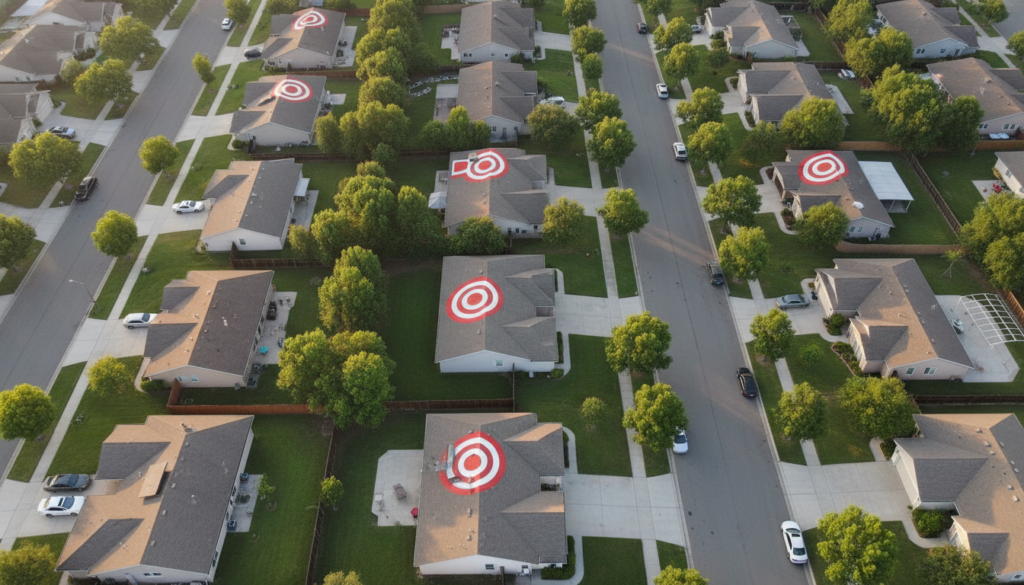
A zombie foreclosure can look like an opportunity from the street: abandoned house, overgrown yard, broken windows, no visible activity, and a lender or owner who may appear motivated. But for investors, these properties can carry risks that are easy to underestimate.
The problem is not just vacancy. The problem is uncertainty. Ownership may be unclear, the foreclosure may not be complete, title may still be in the homeowner’s name, code violations may be accumulating, and the property may be deteriorating while nobody is actively maintaining it.
If you are tracking distressed properties, zombie foreclosures belong on your radar. But they need a different level of due diligence than a standard vacant listing or clean REO property.
Stay Ahead of the Next Deal
Markets move quickly, and good foreclosure opportunities often require fast analysis. Subscribe to our twice-weekly newsletter for investor-focused tips, tools, and market insights designed to help you make better decisions.
What Is a Zombie Foreclosure?
A zombie foreclosure usually occurs when a homeowner leaves a property after receiving foreclosure notices, but the foreclosure process is not fully completed. The lender may not yet own the home, the foreclosure sale may be delayed, or the case may be stalled because of legal, financial, or procedural issues.
From the outside, the property may appear abandoned. Legally, however, the title may still belong to the original owner. That distinction matters because you cannot assume the lender, servicer, municipality, or auction platform has full authority to sell the property simply because the home looks vacant.
Recent zombie foreclosure trend data shows why investors should watch these properties as part of the broader foreclosure pipeline. The numbers may be relatively small compared with total housing inventory, but local concentrations can still affect deal flow, neighborhood values, and acquisition risk.
The Ownership Problem Comes First
Before you analyze repairs or ARV, confirm who owns the property today. A zombie foreclosure can sit in an awkward middle ground where the homeowner has left, the lender has not completed foreclosure, and no party is clearly acting like a responsible owner.
That creates problems for you as a buyer. You may not have a seller who can sign a clean contract. You may not have an auction date. You may not have access. You may not have reliable information about liens, taxes, or property condition.
What to Verify Before You Spend Time on the Deal
Start with the public records. Check the deed, mortgage, foreclosure case, lis pendens or notice filing, tax records, bankruptcy filings, and any scheduled sale activity. Then compare those records with what you see physically at the property.
You want to know whether the property is still owned by the borrower, already sold at auction, bank-owned, tax delinquent, tied up in bankruptcy, or subject to municipal enforcement. Until you know that, you don’t really know what kind of deal you are evaluating.
Vacancy Can Turn Small Problems Into Major Repairs
Abandoned properties deteriorate quickly. A missing downspout can become foundation damage. A broken window can lead to water intrusion, vandalism, theft, and animal entry. A disconnected utility account can conceal plumbing, HVAC, and electrical problems.
You should assume a zombie foreclosure has hidden condition risk unless you can inspect the interior. Even if the exterior looks manageable, the inside may include mold, stripped copper, damaged drywall, missing appliances, failed mechanical systems, or unsafe stairs and flooring.
Do Not Underwrite From the Curb Alone
A curbside estimate is useful, but it is not a rehab budget. If you cannot inspect the interior, build a larger contingency into your offer or wait until the property reaches a stage where access is possible.
For investors using hard money, this matters even more. If the repair budget doubles after closing, your loan structure, draw schedule, holding costs, and resale timeline can all change.
Code Violations and Municipal Fines Can Accumulate
Zombie foreclosures often attract code enforcement attention. Common issues include tall grass, unsecured openings, trash, illegal dumping, broken fencing, abandoned vehicles, unsafe structures, and vacant-property registration violations.
Some cities and states have specific rules for vacant or abandoned properties. New York’s Department of Financial Services explains that certain mortgagees and servicers may have duties to inspect, secure, and maintain vacant and abandoned residential properties under its vacant and abandoned property rules.
Local rules can also create registration obligations. For example, the City of Miami requires certain vacant, blighted, unsecured, or abandoned structures to be registered through its vacant-structure registration process.
How This Affects Your Numbers
If you buy the property later, you may inherit practical problems even if some fines are negotiated or resolved at closing. You may need to clear violations, secure permits, repair unsafe conditions, board or unboard openings, correct exterior hazards, or satisfy municipal inspections before resale or rental use.
That means your offer should include a code-compliance line item, not just a repair estimate.
Vandalism and Security Risk Are Part of the Deal
A vacant foreclosure can become a target. Copper theft, appliance removal, squatting, broken glass, graffiti, dumping, and storm damage can all occur while the property sits unresolved.
Security risk affects both pre-acquisition and post-acquisition planning. Before purchase, it increases uncertainty. After purchase, it becomes your operational responsibility.
Once you have legal authority to act, move quickly to secure the property. That may include changing locks where permitted, boarding broken openings, documenting condition, setting up insurance, checking utilities, and arranging regular site visits.
Title and Lien Review Must Be Conservative
Zombie foreclosures can involve more than one layer of distress. The mortgage may be in default, taxes may be unpaid, code liens may exist, HOA dues may be accumulating, and the owner may have other judgments or bankruptcy filings.
Do not assume the eventual foreclosure sale will eliminate every issue. Lien priority, state law, municipal claims, tax balances, and association rights can all affect the final acquisition cost.
Questions to Ask Before You Bid or Make an Offer
Is the foreclosure active or stalled?
Has bankruptcy delayed the case?
Are property taxes current?
Are there municipal liens or code cases?
Is the property in an HOA or condo association?
Has a foreclosure sale been scheduled or canceled?
Who has authority to sell?
Will title insurance be available after closing?
Are there redemption rights or objection periods?
If these answers are unclear, your maximum offer should be lower. A zombie foreclosure should never be priced like a clean vacant property with clear title and immediate possession.
When a Zombie Foreclosure May Still Work
A zombie foreclosure can still become a good investor deal if the discount is large enough and the path to ownership becomes clear. The best opportunities usually appear after the uncertainty is reduced: the foreclosure resumes, the lender takes title, the property becomes REO, a tax sale process matures, or the owner becomes reachable and can legally sell.
Your edge is patience and tracking. A property that is too risky today may become workable later. Keep notes on ownership status, foreclosure activity, code cases, tax balances, exterior condition, and neighborhood comps. If the property eventually moves into a cleaner acquisition channel, you will already understand the risk better than most bidders.
The Investor Takeaway
A zombie foreclosure is not just an abandoned house. It is a distressed property with legal, title, condition, and municipal-risk questions that need to be answered before you commit capital.
You should verify ownership, check foreclosure status, search for liens and code violations, estimate vandalism and repair risk, and avoid assuming immediate access or clean title. If the uncertainty is high, the discount must be high enough to justify it.
Zombie foreclosures can create opportunity, but only when you treat abandonment as a warning sign, not a bargain signal. The deal works when the ownership path, title review, repair budget, and exit strategy all line up.
Looking for Deeply Discounted Properties Others Don’t Know About?
Don’t miss out on the next great investment opportunity! Search millions of foreclosure listings and get daily alerts for new properties in your target market.
You might also like:
 Occupied Foreclosure Properties: What Investors Need to Know
 How Code Violations Affect Foreclosure Deals
 How to Buy a Bankruptcy House as an Investor
 Pre-Foreclosure Leads for Investors: Where to Find the Best Deals
 Title Search for Foreclosure Properties: Investor Essentials
 Foreclosure Investing: How to Buy, Analyze, and Profit From Foreclosed Homes