
Sheriff Sale vs Foreclosure Auction
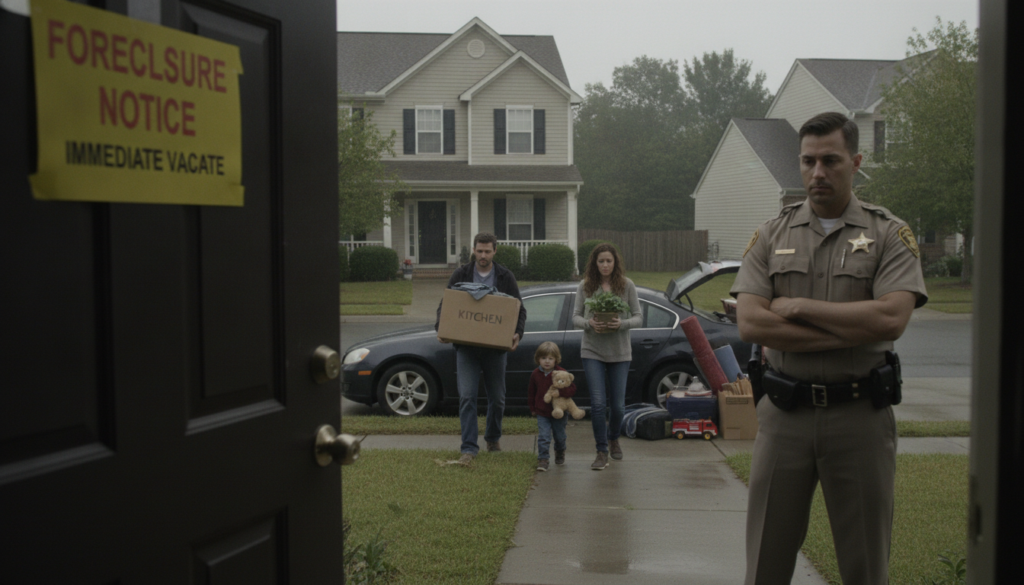
Understanding sheriff sale vs foreclosure auction differences can help you avoid treating every distressed-property auction as the same kind of deal. The terms are sometimes used loosely, but the sale authority, payment rules, title risk, redemption issues, and post-sale steps can vary significantly.
As an investor, that distinction matters before you register, fund a deposit, or set your maximum bid. A sheriff sale may be one type of foreclosure auction, but not every foreclosure auction is a sheriff sale. Some auctions are handled by a sheriff. Others are run by a court clerk, trustee, tax collector, lender, government agency, or online auction platform.
The mistake is assuming that “auction” tells you enough. It doesn’t. You need to know who is selling, why the property is being sold, what rights are being transferred, and what you must do after the winning bid.
Build Your Investing Knowledge One Email at a Time
Foreclosure investing rewards preparation. Join our 2X week newsletter for straightforward guidance on pre-foreclosures, short sales, BRRRR, flipping, and other strategies investors use to evaluate distressed property opportunities.
What Is a Sheriff Sale?
A sheriff sale is typically a public sale conducted under legal authority, often after a court judgment or foreclosure process. In many judicial foreclosure states, the sheriff’s office carries out the sale once the lender has obtained the required judgment or order.
That gives sheriff sales a more formal, court-connected character than some other auction formats. The sheriff is not acting like a traditional real estate broker. The sheriff is carrying out a legal sale process.
What Investors Should Expect
Sheriff sales may involve public notices, court case references, legal descriptions, strict bid procedures, and very specific payment deadlines. You may not receive normal seller disclosures, inspection access, or a standard real estate contract.
You should also expect local variation. One county may require a large deposit immediately. Another may require full payment within a short time after sale. Another may use an online auction platform while still calling the event a sheriff sale.
For example, Sussex County, Delaware explains that mortgage sheriff sales require 20% of the bid by a stated deadline on the sale date, with the balance due later, and also warns that clear title is not guaranteed. That type of sheriff sale deposit and title language is exactly why you should read the county rules before bidding.
What Is a Foreclosure Auction?
A foreclosure auction is a broader category. It refers to a sale of property connected to a foreclosure process, but the auction may not be run by a sheriff.
Depending on the state and foreclosure type, the sale may be handled by a trustee, court-appointed referee, clerk of court, lender representative, auction company, or online auction vendor. The property may be sold after a judicial foreclosure, non-judicial foreclosure, tax foreclosure, HOA foreclosure, or other lien enforcement process.
The Auction Format Does Not Define the Risk
A foreclosure auction can be in person, online, courthouse-based, platform-based, or handled through a county system. But the format does not tell you enough about the legal and financial risk.
An online foreclosure auction may still have same-day payment rules. A courthouse auction may still involve surviving liens. A trustee sale may move faster than a sheriff sale but offer less court oversight. A tax foreclosure may transfer different rights than a mortgage foreclosure.
Your bid strategy should be based on the sale terms, not the label.
The Key Differences Investors Should Compare
Sale Authority
Start by identifying who has authority to sell the property. A sheriff sale usually follows a court-authorized process. A trustee sale may come from a deed of trust and power-of-sale clause. A clerk sale may follow a court foreclosure judgment. A tax sale may be driven by unpaid property taxes.
This affects more than terminology. It can determine notice requirements, redemption rights, deed type, objection periods, title issues, and post-sale paperwork.
Deposit and Payment Rules
Payment rules are one of the fastest ways investors get into trouble. You may need certified funds, cash, cashier’s checks, wire transfers, or an approved online deposit before bidding.
Bexar County, Texas explains that mortgage and tax foreclosures are cash auctions and that only cash or certified funds are accepted at the time of sale. That kind of foreclosure auction payment requirement can make ordinary financing useless if the lender cannot fund under the auction timeline.
Before you bid, confirm:
- How much deposit is required.
- When the deposit is due.
- Whether it is refundable.
- When the balance is due.
- What payment methods are accepted.
- Whether buyer premiums or fees apply.
- What happens if you default.
Your financing must match the sale terms. A hard-money approval that funds in ten days may not work for an auction that requires payment immediately.
Title Risk Is Not the Same at Every Auction
The biggest danger in the sheriff sale vs foreclosure auction comparison is assuming the auction wipes out every problem connected to the property.
Some liens may be eliminated. Some may survive. Some taxes, municipal charges, HOA claims, code liens, utility liens, or senior interests may still affect the property after sale. The answer depends on lien priority, state law, sale type, and the specific judgment or notice.
Franklin County, Ohio’s sheriff sale guidance states that the sheriff does not guarantee clear title and recommends a title search. That type of sheriff sale title warning should be treated as a core investor rule: do title work before bidding, not after winning.
How to Price Title Uncertainty
If you cannot verify title, reduce your maximum bid. Do not simply hope that the sale clears the problem.
Your pre-bid review should include:
- The foreclosing lien.
- Senior liens.
- Junior liens.
- Property taxes.
- Municipal liens.
- HOA or condo balances.
- Open permits.
- Code enforcement cases.
- Bankruptcy filings.
- Judgments.
- Recorded easements.
A title issue does not automatically kill the deal. It just needs to be priced accurately.
Possession Can Differ From Ownership
Winning a sheriff sale or foreclosure auction may give you a path to ownership, but it may not give you immediate possession.
The property may be occupied by the former owner, a tenant, an unauthorized occupant, or someone whose rights are unclear. You may need a deed, confirmation, redemption-period expiration, writ of possession, eviction process, or negotiated move-out before you can safely access the property.
Do Not Build Your Rehab Timeline on Best-Case Access
If your numbers assume you can start work the next day, you may be underestimating the deal. Delayed possession can affect utilities, insurance, permits, contractor schedules, resale timing, and financing costs.
Before bidding, look for signs of occupancy and research the post-sale possession process in that county. If you cannot confirm timing, assume delay and price the bid accordingly.
Post-Sale Steps Can Change the Deal
After the auction, you may still need to complete several steps before the property becomes usable as an investment. These may include paying the balance, receiving a certificate of sale, waiting through objections or redemption rights, obtaining a deed, recording the deed, securing insurance, transferring utilities, and handling possession.
A sheriff sale may have different deed procedures than an online foreclosure auction or trustee sale. Some sales may require court confirmation. Others may issue documents after payment and statutory waiting periods.
Do not treat the winning bid as the closing. Treat it as the point where your execution risk begins.
How to Choose the Right Auction Strategy
A sheriff sale may fit you if you understand local court foreclosure procedures, can perform title research, and have funds ready under the county’s payment rules.
An online foreclosure auction may fit you if you want broader deal flow, can compare multiple markets, and understand buyer premiums, platform rules, and closing deadlines.
A trustee sale may fit you if you are comfortable with faster timelines and limited due diligence.
A tax foreclosure auction may fit you if you understand tax lien priority, redemption rules, and title cleanup.
The right auction is not the one with the lowest opening bid. It is the one where you can understand the risk well enough to set a disciplined maximum price.
Want To Know What Properties Banks Are About To List?
Learn how to find deeply discounted properties. Get instant access to pre-foreclosures, REOs, and short sales updated daily!
You might also like:
 Sheriff Sale Investing for Real Estate Investors
 Foreclosure Investing: How to Buy, Analyze, and Profit From Foreclosed Homes
 How to Analyze a Multifamily Foreclosure Deal
 Judicial vs Non-Judicial Foreclosure for Investors
 How HOA Liens Can Change a Foreclosure Deal
 Bankruptcy Property Due Diligence Checklist