
How to Buy a Pre-Foreclosure Home: Investor Guide

Buying a pre-foreclosure home is different from buying a normal listed property and different from buying at foreclosure auction. In a pre-foreclosure transaction, the homeowner still owns the property, but the mortgage is in default or foreclosure proceedings have started. The investor is trying to purchase the property before it reaches the foreclosure sale.
This can create opportunity, but it also creates risk. The homeowner may be under pressure. The lender may have strict deadlines. There may be liens, title problems, unpaid taxes, or limited time to close. Investors need a clear process before pursuing these deals.
A pre-foreclosure purchase should never be based only on the fact that a property is distressed. The numbers, title, timing, and seller’s consent all have to work.
Get Foreclosure Investing Insights Twice a Week
Subscribe to the Foreclosure Flips newsletter for practical ideas on finding deals, analyzing opportunities, and understanding foreclosure-related investing strategies. We send concise updates twice a week so you can stay informed without adding more noise to your inbox.
Understand the Foreclosure Stage
The first step is to understand where the property sits in the foreclosure process. The Consumer Financial Protection Bureau explains that foreclosure laws and procedures vary by state, including whether the process is judicial or non-judicial.
This matters because the purchase timeline may be very different from one state to another. In some areas, the investor may have months. In others, there may be only weeks before sale.
Before making an offer, determine:
- What document triggered the pre-foreclosure status
- Whether an auction date has been scheduled
- Whether the sale has been postponed before
- Whether the foreclosure is judicial or non-judicial
- Whether the owner has filed bankruptcy
- Whether the owner is negotiating with the lender
This information affects both strategy and risk.
Confirm the Owner Wants to Sell
A pre-foreclosure home is not automatically for sale. The owner may be trying to reinstate the loan, refinance, complete a loan modification, or remain in the home. Investors should not assume distress equals motivation.
The conversation should begin with whether the owner is open to selling. If the answer is no, the investor should respect that. If the answer is yes, the next step is to determine whether a sale can solve the problem.
Clarify the Seller’s Goal
Some sellers want to avoid foreclosure damage. Some want to preserve remaining equity. Some need relocation time. Some need to sell quickly because the auction date is close.
Understanding the seller’s goal helps shape the offer. A clean cash offer may be valuable, but so may a flexible closing date, help coordinating payoff information, or time after closing to move.
Determine the Payoff and Total Debt
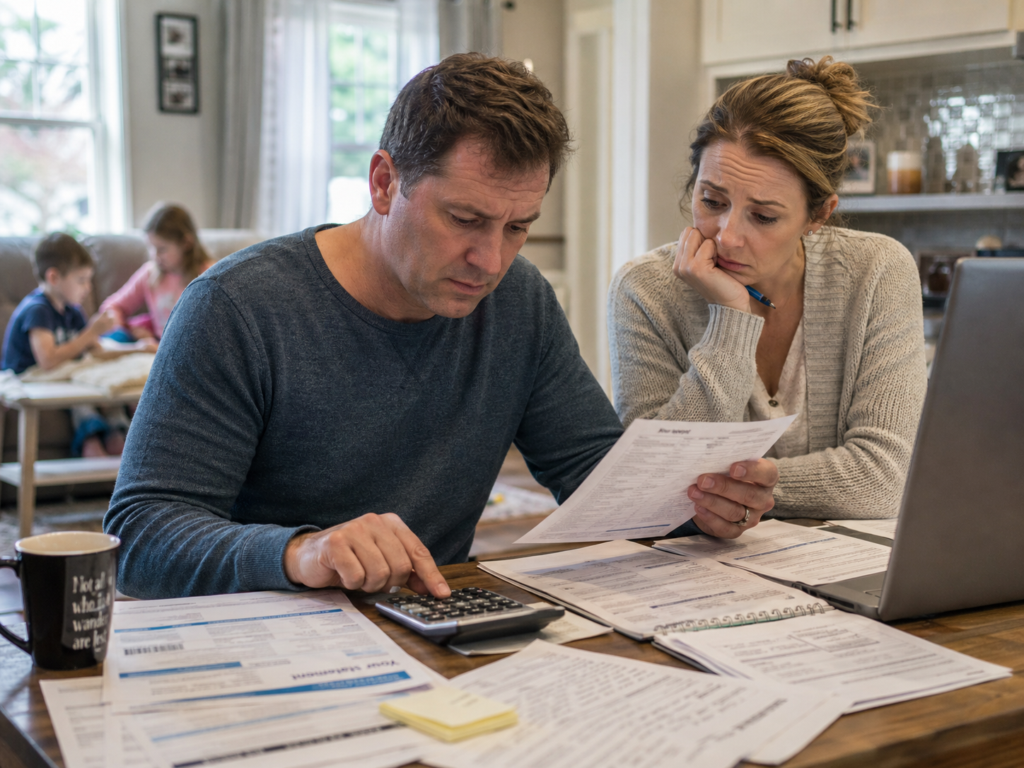
A pre-foreclosure deal cannot be evaluated without knowing the debt. The seller may have a rough idea of what is owed, but investors should not rely on estimates. The seller may need to request an official payoff statement from the lender.
Also check for other debts attached to the property:
- Second mortgage
- Home equity line of credit
- Property tax debt
- HOA liens
- Judgment liens
- Code violations
- Utility liens where applicable
A property may appear to have equity until the full debt stack is reviewed.
Estimate Market Value Conservatively
Investors should value the property based on realistic comparable sales. Do not rely on asking prices. Use recent closed sales that match the property type, size, condition, and location as closely as possible.
If the plan is to flip the property, estimate the after-repair value carefully. If the plan is to rent it, evaluate rent, vacancy, insurance, taxes, repairs, property management, and financing costs.
Build in a Repair Buffer
Pre-foreclosure homes may have deferred maintenance. Owners under financial pressure may not have had money for repairs. The property may need roof work, HVAC replacement, plumbing repairs, electrical updates, flooring, paint, appliances, landscaping, or code corrections.
Until a full inspection is completed, the repair estimate should include a contingency buffer.
Build Your Investing Knowledge One Email at a Time
Foreclosure investing rewards preparation. Join our 2X week newsletter for straightforward guidance on pre-foreclosures, short sales, BRRRR, flipping, and other strategies investors use to evaluate distressed property opportunities.
Make an Offer That Solves the Problem
A good pre-foreclosure offer must work for the seller and the investor. For the seller, the offer should be enough to satisfy liens and sale costs or otherwise fit the required approval process. For the investor, the price must leave room for repairs, holding costs, resale costs, and profit.
If the debt is higher than the property value, a standard purchase may not be possible without lender approval. In that case, the seller may need to explore a short sale. HUD has formal materials related to pre-foreclosure sale procedures in the FHA context, showing that some pre-foreclosure sales can involve specific lender or program requirements.
Not every property will qualify, and not every lender will agree. This is why investors should identify debt issues early.
Use a Proper Purchase Agreement
A handshake agreement is not enough. Use a written purchase contract that clearly states the price, closing date, contingencies, inspection rights, title requirements, and any seller occupancy terms.
Investors should consider including contingencies for:
- Clear title
- Property inspection
- Financing or proof of funds
- Lien payoff verification
- Lender approval if needed
- Foreclosure sale postponement if applicable
A qualified real estate attorney or experienced closing agent can help structure the transaction properly.
Open Escrow or Title Quickly
Time is critical. Once the contract is signed, open escrow or title immediately. The title company or attorney should begin searching title, ordering payoff information, identifying liens, and preparing for closing.
If an auction date is pending, the closing professional may need to coordinate with the seller and lender to confirm whether the foreclosure sale can be postponed or cancelled after payoff.
Do not assume a signed purchase contract automatically stops foreclosure. It usually does not.
Understand Loss Mitigation and Timing Rules
Federal mortgage servicing rules can affect foreclosure timing. The CFPB’s Regulation X includes loss mitigation procedures that restrict certain foreclosure sale activity in specific circumstances. These rules are designed to protect borrowers, not to create shortcuts for investors.
Investors should not attempt to advise homeowners on legal rights unless qualified to do so. If the seller has questions about foreclosure prevention, legal rights, or lender options, they should consult appropriate professionals.
Inspect Before Closing
A pre-foreclosure purchase may feel urgent, but skipping inspection can be expensive. At minimum, investors should understand the property’s major systems and visible condition. If possible, inspect:
- Roof
- Foundation
- HVAC
- Plumbing
- Electrical
- Windows
- Interior damage
- Water intrusion
- Mold indicators
- Code violations
- Occupancy issues
If tenants occupy the property, review lease status, payment history, deposits, and local landlord-tenant obligations.
Plan the Exit Before Buying
The exit strategy should be clear before closing. The three most common investor exits are resale, rental, and wholesale assignment where legal and contractually permitted.
For a flip, confirm the likely resale price and timeline. For a rental, confirm rent and operating costs. For a wholesale strategy, confirm that assignment is allowed and that the buyer pool is strong enough.
Do not buy a pre-foreclosure property simply because it is discounted. Buy it because the deal works under conservative assumptions.
Test Your Foreclosure Investing Knowledge
You’ve covered the basics. Now see how much you really understand about pre-foreclosures, auctions, short sales, flipping, BRRRR, ARV, repair budgets, title issues, and deal risk. Take the 15-question Foreclosure Investing Quiz and see how you score before you analyze your next deal.
Looking for Deeply Discounted Properties Others Don’t Know About?
Don’t miss out on the next great investment opportunity! Search millions of foreclosure listings and get daily alerts for new properties in your target market.
You might also like:
 Pre-Foreclosure Leads in an Affordability Crisis
 How to Find More Deals From One Property Owner
 How to Find Pre-Foreclosure Properties Before Auction
 Top Pre-Foreclosure Markets for 2026
 How to Negotiate a Short Sale with Lenders and Win the Deal
 Foreclosure Investing: How to Buy, Analyze, and Profit From Foreclosed Homes