
How Pre-Foreclosure Leads Work for Real Estate Investors

Pre-foreclosure leads are often marketed as a shortcut to motivated sellers. That description is too simple. A pre-foreclosure lead is not automatically a motivated seller, and it is not automatically a good deal. It is a signal that a homeowner may be under mortgage pressure and that a property may be moving toward foreclosure.
For real estate investors, these leads can be useful when handled correctly. They can help identify owners who may need to sell before auction. They can also reveal distressed opportunities before they appear on the open market. But they require verification, tact, and disciplined underwriting.
A good pre-foreclosure lead strategy is not just about getting a list. It is about knowing what the list means, how to filter it, and how to approach owners ethically.
Stay Ahead of the Next Deal
Markets move quickly, and good foreclosure opportunities often require fast analysis. Subscribe to our twice-weekly newsletter for investor-focused tips, tools, and market insights designed to help you make better decisions.
What Is a Pre-Foreclosure Lead?
A pre-foreclosure lead is a property or owner record associated with a mortgage default, foreclosure filing, or related public notice. The lead may come from county records, court filings, notice of default recordings, trustee sale notices, legal publications, or aggregated real estate data platforms.
The Consumer Financial Protection Bureau explains that foreclosure usually begins after a borrower defaults and the lender starts the legal process. The process differs by state, which means lead sources also differ by state.
In a judicial foreclosure state, a lead may come from a lawsuit filing. In a non-judicial foreclosure state, it may come from a recorded notice of default or trustee notice.
Why Investors Use Pre-Foreclosure Leads
Investors use pre-foreclosure leads because the timing can be attractive. The property has not necessarily reached auction. The owner may still control the property. There may be time to negotiate a sale, resolve liens, complete inspections, and close before the foreclosure sale date.
This stage may create more flexibility than auction buying. At auction, investors often face cash requirements, limited inspection access, title uncertainty, and competitive bidding. In pre-foreclosure, a negotiated purchase may allow more due diligence.
However, this flexibility only exists when the owner wants to sell and the economics work.
Main Types of Pre-Foreclosure Leads
Notice of Default Leads
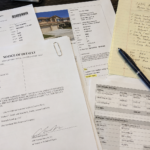
A notice of default is common in some non-judicial foreclosure states. Cornell’s Legal Information Institute defines a notice of default as a notice issued after missed mortgage payments that may be recorded in public records and may signal the lender’s intent to accelerate the loan or begin foreclosure.
These leads can be early-stage opportunities. The earlier the stage, the more time there may be to communicate with the owner. The downside is that many owners may cure the default and never sell.
Lis Pendens Leads
In judicial foreclosure states, a lis pendens may be a key signal. A lis pendens is a notice recorded in the property’s chain of title that alerts third parties to litigation affecting title or an interest in the property.
For investors, lis pendens records can indicate that a foreclosure lawsuit has been filed. These leads may require careful legal and title review because the case status can change.
Auction Notice Leads
Auction notice leads are closer to the foreclosure sale. These may be published as trustee sale notices, sheriff sale notices, or legal notices. They can be useful, but the timeline is shorter. If an investor wants to buy from the owner before sale, there may be limited time.
Absentee Owner Distress Leads
Some investors combine pre-foreclosure data with absentee-owner data. These may include rental properties where the owner lives elsewhere. An absentee owner facing default may be more willing to sell an underperforming rental, especially if there are repairs, vacancies, or management problems.
How to Evaluate Pre-Foreclosure Leads
The most important skill is filtering. A raw lead list may contain hundreds of properties. Only a small percentage will be worth pursuing.
Confirm the Status
First, confirm whether the foreclosure action is still active. Check the county recorder, court docket, trustee sale information, or sheriff sale page. A lead may be outdated if the owner reinstated the loan, sold the property, filed bankruptcy, or had the case dismissed.
Estimate Equity
Equity is central. Without enough equity, the owner may not be able to sell at a price that works for both sides. Estimate the property’s current value using recent comparable sales. Then estimate the debt, liens, taxes, and sale costs.
If the loan balance and liens exceed the property value, the transaction may require a short sale or lender approval. That is a different process from a standard purchase.
Review the Property
Look at property condition, occupancy, neighborhood demand, and likely repairs. Online photos may be outdated. Exterior condition may not reveal major systems problems. Investors should leave room for uncertainty until they can inspect the property.
Check the Timeline
A lead with a sale date next week is very different from a lead with no scheduled auction. Timing affects everything: outreach, negotiation, title work, inspections, financing, and closing.
Learn the Strategies Behind Smarter Foreclosure Investing
Get practical foreclosure investing content delivered twice a week, including deal analysis tips, strategy breakdowns, useful tools, and new resources from Foreclosure Flips. Sign up to keep learning and spotting better opportunities.
Ethical Outreach Matters
Pre-foreclosure outreach can be sensitive. The owner may be receiving legal notices, collection calls, and investor mail. A careless approach can damage trust quickly.
Investors should avoid fear-based messaging. Do not exaggerate the owner’s situation. Do not imply official authority. Do not claim to be connected with the lender or government. Do not pressure the owner to sign immediately.
A professional message should be simple: you are a local or active buyer, you are interested in purchasing property in the area, and you would like to know whether they would consider selling. If they are not interested, respect that.
What Investors Should Track
A lead management system does not need to be complicated. It should track the information needed to make better decisions.
Useful fields include:
- Owner name
- Property address
- Mailing address
- Filing type
- Filing date
- Estimated value
- Estimated debt
- Auction date
- Occupancy status
- Contact attempts
- Owner response
- Next follow-up date
- Deal notes
The purpose is to avoid random activity. Pre-foreclosure investing involves timing, and follow-up often matters. An owner who does not respond today may consider selling later if their situation changes.
When a Lead Is Not a Good Fit
Some leads should be removed quickly. These include properties with no equity, unresolved ownership disputes, excessive liens, severe condition problems, or unrealistic owner expectations.
Investors should also avoid situations they do not understand. If the legal posture, title history, or debt structure is unclear, involve a qualified real estate attorney or title professional before proceeding.
Pre-Foreclosure Leads and Homeowner Options
Investors should remember that selling is only one possible homeowner option. Some owners may qualify for repayment plans, loan modifications, housing counseling, or other loss-mitigation options. The U.S. Department of Housing and Urban Development provides information on foreclosure avoidance and housing counseling, which helps explain why not every distressed owner becomes a seller.
This matters from both an ethical and practical perspective. Investors should not assume that the homeowner’s best option is to sell. The investor’s opportunity exists only if a sale is voluntary and financially sensible.
Test Your Foreclosure Investing Knowledge
You’ve covered the basics. Now see how much you really understand about pre-foreclosures, auctions, short sales, flipping, BRRRR, ARV, repair budgets, title issues, and deal risk. Take the 15-question Foreclosure Investing Quiz and see how you score before you analyze your next deal.
Wondering Where the Savviest Investors Find Their Best Deals?
Access the largest database of foreclosure properties nationwide and discover below-market deals before other investors. Start your search today!
You might also like:
 Foreclosure Investing for Beginners: Complete Step-by-Step Guide
 How to Find Foreclosure Properties Before They Hit the Market
 Flip Property Exit Strategies: Maximizing Profit and Minimizing Risk
 Pre-Foreclosure Leads for Investors: Where to Find the Best Deals
 Notice of Default and Lis Pendens: How Investors Find Early Foreclosure Opportunities
 Housing Affordability Crisis and Foreclosure Investing